Grădina Botanică din Chișinău
Chișinău Botanical Garden
A hundred hectares of plant collections, roses and glasshouses in the Botanica district
46.9744° N · 28.8852° E7 km from Chișinău
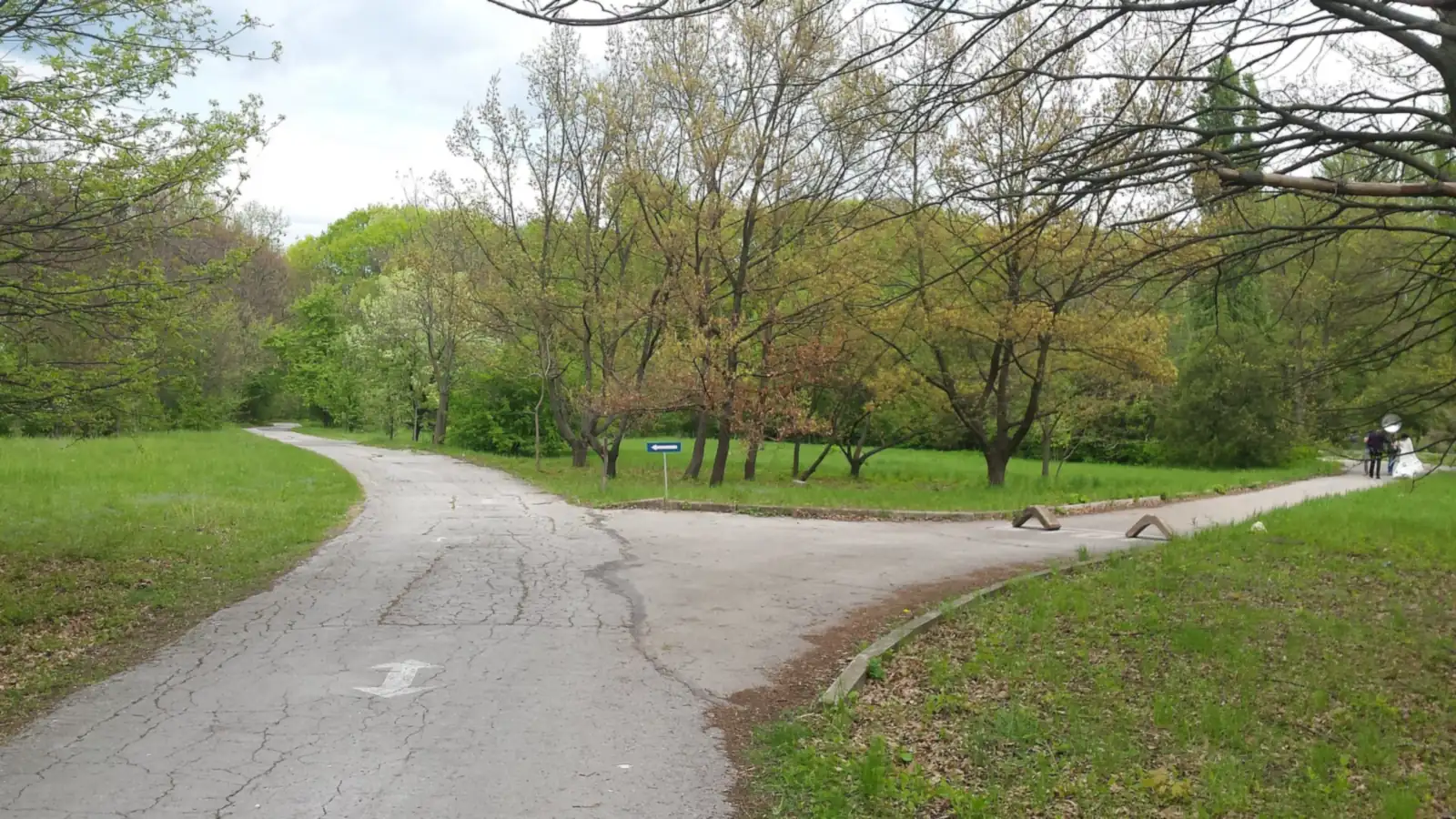
Photo: Tolea93, CC BY-SA 4.0, via Wikimedia Commons
The Chișinău Botanical Garden is a 104-hectare scientific garden in the Botanica district, founded in 1950 and on this site since 1965. With more than 7,500 species, forms and varieties, it is Moldova's largest living plant collection. For visitors it is a peaceful garden for walking, with a rose garden, rock gardens, ponds and glasshouses.
What you see
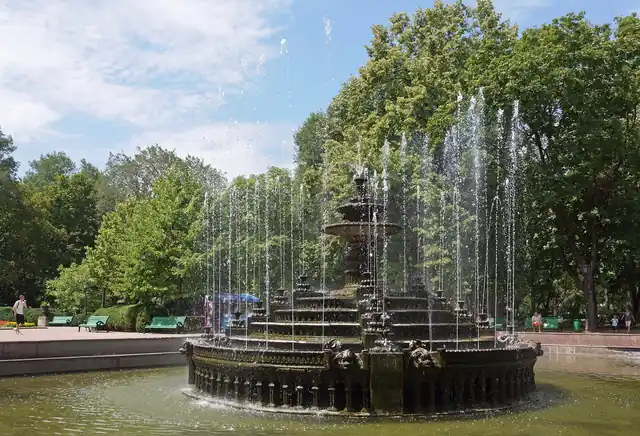
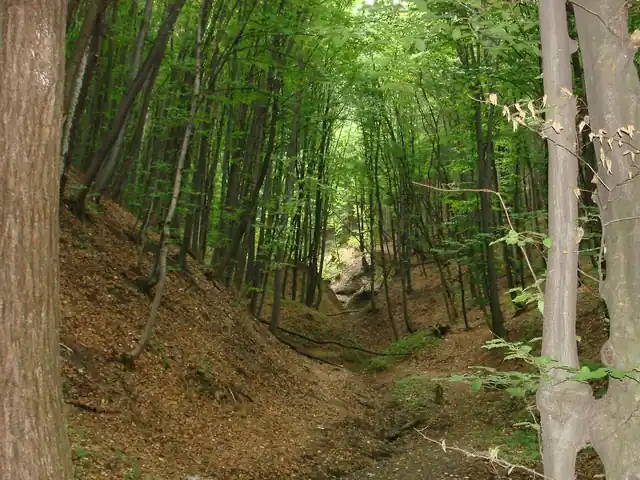
The garden is divided into themed areas. You walk through an arboretum of trees and shrubs, a rose garden, a rock garden and an alpine garden, a lilac section, a garden of climbers and an area of East Asian flora. Between the collections lie ornamental ponds with water plants. A separate section is devoted to the country's rarest endangered plants, some of which survive only as a single specimen.
The glasshouses hold tropical and subtropical plants, including more than a thousand species of cactus and a cycad that, according to the garden, was brought from Batumi in 1968. According to an October 2026 report by Logos Press, the garden has more than 7,500 species, forms and varieties.
Nature and history
The garden was established by decree in September 1950. In 1965 the government allocated 104 hectares on what was then the edge of the city, in today's Botanica district. In 1975 the garden became a research institute of the Academy of Sciences of Moldova. Around 2014 the herbarium held some 185,000 specimens. Researchers work here on breeding ornamental, medicinal and aromatic plants and on protecting rare species.
In 2026 the garden is struggling with staff shortages and ageing infrastructure: the existing glasshouses all have the same height and climate, which limits the collection, and a new, modern glasshouse is expensive. So do not expect an immaculately kept show garden, but a spacious, green place with plenty of shade.
Tips for your visit
- Come in May and June for lilacs and roses, or in September and October for autumn colours.
- Wear good shoes: the paths are long and not paved everywhere.
- Ask at the entrance about the admission price and whether the glasshouses are open.
- The Porțile Orașului and the zoo are nearby; by trolleybus along Bulevardul Dacia you are soon back in the centre.
Highlights
- 104 hectares on this site since 1965
- More than 7,500 species, forms and varieties (2026)
- Rose garden, rock garden, lilacs and ponds
- Glasshouses with more than a thousand species of cactus