Food and drink in Moldova: cuisine, wine and divin
Moldovan cooking is country food built on maize, sheep's cheese, vegetables from the kitchen garden and pork, shaped by centuries of Romanian, Ottoman, Russian and Ukrainian influence. Wine is no sideline here: the country has more than 250 wineries, and wine and divin, the Moldovan brandy, are among its main exports. This guide explains what comes to the table, how a meal unfolds, which wine regions and grapes matter and how to visit a winery.
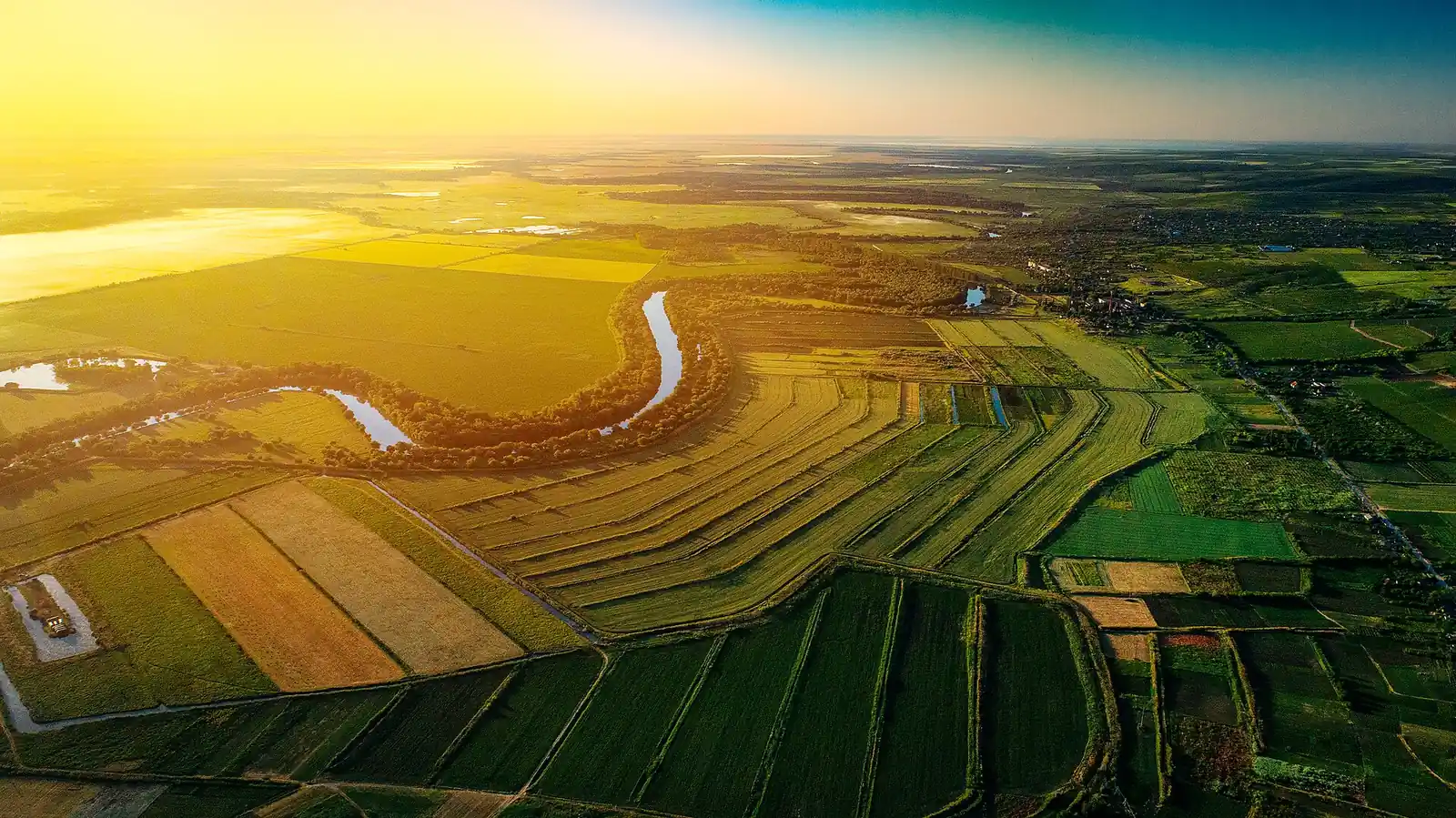
Photo: USAID Digital Development, CC BY 2.0, via Wikimedia Commons

- Vineyard area
- c. 58,800 ha 2024 · Figure presented at the national sector conference; in 2001 it was still 108,000 ha. Promotional material often quotes almost 110,000 ha.
- Wineries
- more than 250 2025 · According to the announcement of the 46th World Congress of Vine and Wine (OIV), held in Chișinău in June 2025.
- Wine exports
- 117 million litres, 212 million dollars 2025 · 18% lower in volume than in 2024, but 10% above the five-year average in value.
- EU share of bottled wine exports
- 61% 2026 · January to July 2026; the CIS countries took 25% of wine exports.
- Exports of divin and spirits
- 34.7 million dollars (+22%) 2026 · January to July 2026, compared with the same period in 2025.
- Weight of the wine sector
- c. 3% of GDP, almost 8% of exports 2026 · Sector figures released for the 25th National Wine Day.
- Wine production
- 17.9 million decalitres (+53%) 2025 · After the weak 2024 harvest, 259,000 tonnes of grapes were processed.
IA cuisine of maize, cheese and sour flavours
Sit down to eat in Moldova and most of what you are served will be familiar to the Romanian neighbours. The cuisine is closely related to Romanian cooking, with layers left behind by history: Ottoman stuffed leaves and vegetables, Russian and Ukrainian soups and salads, and Bulgarian and Gagauz dishes in the south. The foundation is still the countryside: maize, dairy, pork, chicken, beans, cabbage and whatever the kitchen garden yields in summer.
The signature dish is mămăligă, a firm maize porridge that was once the bread of the poor. It is served with brânză (salted sheep's cheese), soured cream and sometimes fried bacon, or as a side with stews. Sarmale, cabbage or vine leaves stuffed with minced meat and rice, belong at every celebration. Soups are a chapter of their own: zeamă is chicken soup with home-made noodles, while ciorbă and borș are sour soups, soured with fermented bran water (borș) or lemon.
From the oven come plăcinte, flat pastries filled with cheese, cabbage, potato or pumpkin, and the rolled versions vărzare and vertută. In winter there is răcituri, pork in aspic with plenty of garlic. At the holidays cozonac (sweet yeast bread with nuts) appears, and at Easter pască. The minorities add dishes of their own: among the Gagauz it is șorpa, a well-spiced mutton soup, and among the Bulgarians in the south mangea, chicken in sauce.
Vegetarians have an easier time than the meat-heavy image suggests: many plăcinte, colțunași (dumplings filled with cheese or cherries), mămăligă with cheese and the summer salads contain no meat. If you eat vegan, it is best to ask specifically about butter and soured cream.
IIHow a meal unfolds
A full Moldovan meal follows a set pattern. First come the cold starters (gustări): pickled vegetables (murături), sheep's cheese, cold meats, tomato and cucumber salads and, in winter, răcituri. Then comes the soup, the fel întâi, and only after that the main course of meat with mămăligă or potatoes. A sweet pastry or fruit rounds things off. Meat traditionally features among the starters as well, which explains why the table is already full before the meal proper begins.
Hospitality is not a cliché but a social rule. Visit someone in a village and you will almost always be offered something: a glass of home-made wine, a slice of plăcintă, coffee. You may decline, but a sip or a bite is appreciated. People toast with noroc (good luck) and start eating with the wish poftă bună. At family celebrations, christenings and weddings the meal goes on for hours and the toasts keep coming.
Wine goes with most meals. In the countryside many families still make their own wine from small plots next to the house, often from hybrid grapes that are hardly ever sold commercially. This home-made wine is a social drink rather than a quality wine, and it is poured without ceremony. For children and anyone who does not drink there is compot on the table, a drink made by simmering fruit from the family orchard.
IIIAn old wine country with a turbulent century
Wine has been made between the Prut and the Dniester for thousands of years: at Vărvăreuca archaeologists found impressions of grape seeds dating from the third millennium BC. In the Middle Ages wine was exported to Poland and the east. Under the Russian Empire, after 1812, winegrowing received a new boost, until phylloxera destroyed large parts of the vineyards at the end of the 19th century.
Soviet vineyards and prohibition
In the Soviet era the Moldavian SSR became one of the Union's main wine suppliers. Planting was done on a massive scale, with the emphasis on volume, sweet wines and brandy for the Russian market. The anti-alcohol campaign of the 1980s hit hard: between 1985 and 1987 about 30% of the vineyards were grubbed up.
Two embargoes
After independence Russia remained the main buyer. In 2005, the peak year for exports, about three quarters of Moldovan wine went to Russia. In 2006 Moscow banned imports of Moldovan (and Georgian) wine, officially on sanitary grounds. Many wineries went bankrupt. In September 2013, two months before Moldova initialled its association agreement with the EU, a second ban followed. The EU fully opened its market to Moldovan wine on 1 January 2014, and the sector switched its focus to the west.
The quality turnaround
The embargoes forced a rethink: old hybrid and Soviet-era plantings made way for better European and native varieties, and a generation of smaller wineries began bottling their own wine instead of selling in bulk. Since 2013 the National Office for Vine and Wine (ONVV) has promoted the sector under the Wine of Moldova brand. In June 2025 Chișinău hosted the OIV World Congress of Vine and Wine for the first time. At the same time the vineyard area is shrinking: according to figures from the sector conference, an average of 1,900 ha disappears every year, and by 2024 only about 58,800 ha remained.
IVThe four protected geographical indications
Moldova has four protected geographical indications (PGIs, IGP in Romanian), which are protected both in Moldova and in the European Union. Three are wine regions; the fourth applies to brandy.
| PGI | Location | Character |
|---|---|---|
| Codru | Centre, around and north-west of Chișinău | Largest region, wooded hills, fresh white wines and sparkling wine; home to Cricova, Mileștii Mici and Château Vartely |
| Ștefan Vodă | South-east, along the Dniester towards the Black Sea | Smallest region, known for red wine; home of Purcari and Et Cetera |
| Valul lui Traian | South and south-west, extending into Gagauzia | Warm, dry hills, powerful red wines; named after the ancient earthen ramparts |
| Divin | The whole country | Indication for wine brandy (divin), not for wine |
Each region is managed by a producers' association. On the label the region appears as Indicație Geografică Protejată, comparable to a French IGP, with less strict rules than an appellation. Further on in this wine guide you can read more about the individual wineries.
VNative grapes worth knowing
Alongside the international varieties (Cabernet Sauvignon, Merlot, Chardonnay, Sauvignon Blanc, Pinot Noir), it is the local grapes that give Moldovan wine its own identity. They are a heritage shared with Romania.
- Fetească Neagră: the most important native black grape, with dark fruit, soft tannins and a spicy edge. Often oak-aged and also used in blends.
- Rară Neagră: a lighter, juicy red grape, formerly used mainly as a blending partner, now also made on its own into a supple, fruity wine.
- Fetească Albă: a white grape with floral aromas and gentle acidity.
- Fetească Regală: a fresher, crisper white, well suited to sparkling wine.
- Viorica: a Moldovan cross with a distinctly aromatic, Muscat-like profile.
- Busuioacă Albă and Plavaie: rarer white varieties that a few smaller producers are replanting.
If you are used to Burgundy or the Loire, you will find a familiar lightness in Rară Neagră; fans of Bordeaux blends should try the red blends of Ștefan Vodă, where Fetească Neagră is often paired with Cabernet and Merlot.
VIWine routes and winery visits
Each of the three wine regions has a wine route that forms part of Iter Vitis, the Council of Europe's cultural route devoted to winegrowing. According to the national tourism office moldova.travel, about 40 wineries offer tours and tastings, 14 have a restaurant and 6 offer accommodation. The Codru route includes 23 wineries open to wine tourism and takes three to four days; the Ștefan Vodă route takes two.
The big names
- Cricova and Mileștii Mici, just outside Chișinău, are underground wine cities in old limestone quarries. Cricova has about 120 km of galleries and is known for sparkling wine; Mileștii Mici is in the Guinness Book of Records for the largest wine collection in the world. Visitors are driven through the tunnels in small (electric) vehicles.
- Castel Mimi in Bulboaca, a restored castle built by Constantin Mimi, the last governor of Bessarabia, with a restaurant and wine resort.
- Château Purcari in the south-east, a wine estate since 1827, and Et Cetera, a family business in the same region.
- Château Vartely near Orhei, about 45 km from Chișinău, and Asconi, with cottages and restaurants.
- In the south, Kara Gani, with Gagauz cooking and excursions to the remains of the Valul lui Traian.
Practical tips
Tours and tastings need to be booked in advance; many wineries are small and turning up unannounced does not always work. Most accept online bookings. If you are driving yourself, it is best to leave the tasting glasses to a passenger. A driver or an organised tour from Chișinău is the most relaxed option.
National Wine Day
The biggest wine festival is the Ziua Națională a Vinului, traditionally held on the first weekend of October in the centre of Chișinău. The 25th edition took place on 3 and 4 October 2026. Dozens of wineries pour their wines in the street, and many estates open their doors to visitors that weekend.
VIIDivin, the Moldovan brandy
Divin is wine brandy, distilled from Moldovan wine and aged in oak casks using the method employed in France for cognac. Because the name cognac is protected in the EU, Moldova sells its brandy under a name of its own and its own protected indication, the Divin PGI, which covers the whole country.
The label usually states the ageing period, from a few years to several decades. The best-known houses have a long pedigree: Kvint in Tiraspol (since 1897), Aroma in Chișinău (1898), Bardar in Ialoveni district (1929) and Barza Albă in Bălți (1944). Château Cojușna, founded in 1995, is one of the larger producers and exporters. Kvint is located in Transnistria, the unrecognised breakaway region on the left bank; if you are thinking of visiting, check the latest Belgian travel advice first.
Divin is a growing export market. While wine exports fell by 5% in value in the first seven months of 2026, exports of divin and spirits rose by 22% to 34.7 million dollars. In Moldova itself divin is drunk as a digestif, neat and at room temperature.
VIIIWhat to order in a restaurant
Restaurants in Chișinău range from traditional eateries with wooden interiors to modern places that give the local cuisine a lighter touch. In the countryside you often eat best at the agro-guesthouses, where the hostess cooks with whatever the garden provides. A few pointers for the menu:
- To start: a board of brânză, murături and cold meats, or plăcinte with cheese.
- Soup: zeamă for a hangover or a cold day, ciorbă de perișoare (sour soup with meatballs) as a hearty choice.
- Main course: mămăligă with cheese, soured cream and a stew, or tochitură (fried pieces of pork with a fried egg, cheese and mămăligă). Grilled meat comes with mujdei, a sharp garlic sauce.
- Dessert: colțunași with cherries or sweet cheese, or a slice of cozonac.
- Drinks: ask for wine from a local winery rather than the house wine; many places serve Fetească Neagră or Rară Neagră by the glass. Finish with a divin.
By Belgian standards prices are low, even for good bottles from small producers. A tip is appreciated in restaurants. Paying by card works almost everywhere in the city; in the countryside, keep some lei to hand.
IXMarkets and local produce
The best lesson in Moldovan food is at the market. The Piața Centrală in Chișinău is the largest: indoors and out, farmers and traders sell vegetables, fruit, honey, dairy, meat, pickles and dried fruit. What is on offer strictly follows the seasons: cherries and strawberries in June, tomatoes, peppers and melons in summer, grapes, apples and walnuts in autumn.
What to take home: walnuts, honey, dried fruit, a bottle of divin and wine from an estate you visited. Better to leave sheep's cheese and cold meats behind: they fall under the EU ban on travellers bringing meat and dairy products in from outside the EU; wine and spirits come under the traveller allowances that apply on entering the EU.
At the market you pay in lei, often in cash. Tasting is usually allowed, and a few words of Romanian (bună ziua, mulțumesc) open doors. If you speak Russian, you will also be understood well in Chișinău.
Frequently asked questions
What is the national dish of Moldova?
Mămăligă, a firm maize porridge, is regarded as the national dish. It is eaten with sheep's cheese (brânză), soured cream and often a stew or fried meat.
Is Moldovan wine any good?
Quality has improved enormously since the Russian embargoes of 2006 and 2013. Many wineries now bottle their own wine, work with better varieties and win medals at international competitions. Be sure to try wines from the native grapes Fetească Neagră and Rară Neagră.
What are Moldova's wine regions?
There are three wine regions with a protected geographical indication: Codru in the centre, Ștefan Vodă in the south-east and Valul lui Traian in the south. The fourth indication, Divin, applies to brandy from the whole country.
Do I need to book a winery visit?
Yes. The national tourism office recommends booking tours and tastings in advance, because many wineries are small. Most accept online bookings.
When is National Wine Day?
Traditionally on the first weekend of October in Chișinău. In 2026 the 25th edition fell on 3 and 4 October.
What is divin?
Divin is Moldovan wine brandy, made in the same way as cognac but under its own protected name. Well-known producers include Kvint, Aroma, Bardar and Barza Albă.
Can vegetarians eat well in Moldova?
Reasonably well. Plăcinte with cheese, cabbage or pumpkin, colțunași, mămăligă with cheese and the many salads contain no meat. Vegans should ask about butter, soured cream and animal fat.
How many wineries does Moldova have?
More than 250, according to the figures used at the OIV World Congress in Chișinău in 2025. About 40 of them welcome visitors for tours and tastings.
Sources
- Wine of Moldova, Wine Regions of Moldova
- moldova.travel, Top Moldovan Winery Experiences
- Logos Press, Moldovan Winemaking 2025: production growth and export trends
- Logos Press, Wine exports fell whilst exports of divin and spirits rose (2026)
- Logos Press, Moldova loses almost 2 thousand hectares of vineyards per year
- Veridica, Russia's embargo on Moldovan wines
- Wikipedia, Moldovan wine
- Wikipedia, Moldovan cuisine
- Wine of Moldova, Divin PGI producers
- Moldova celebrates 25 years of National Wine Day (2026)
- 46th World Congress of Vine and Wine in Moldova
See also
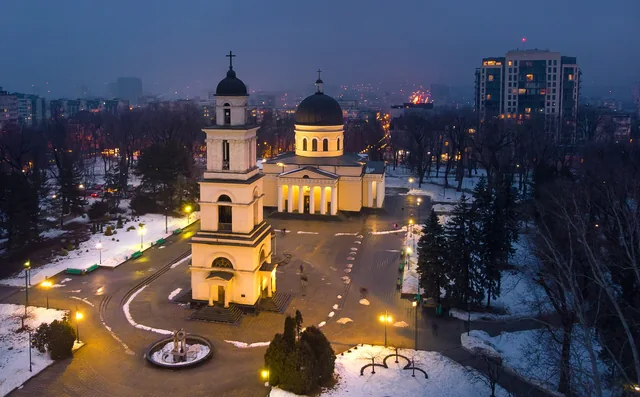 Video
Chișinău
A capital of white limestone, wide avenues and parks, with the wine cellars round the corner
47.0245° N · 28.8323° E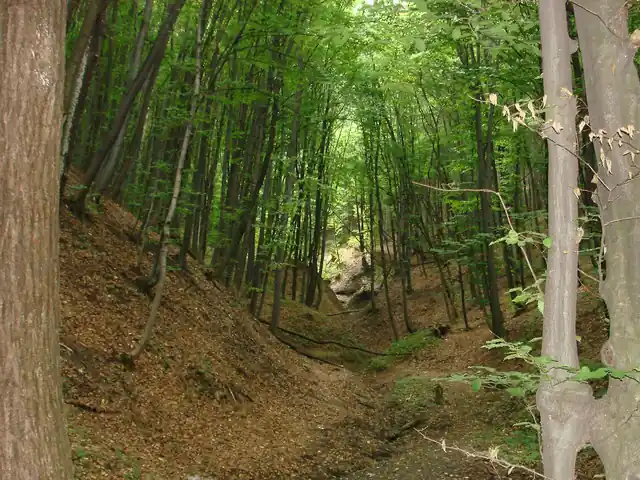
Codru
The wooded hill country of central Moldova, with monasteries, reserves and vineyards
47.1500° N · 28.3500° E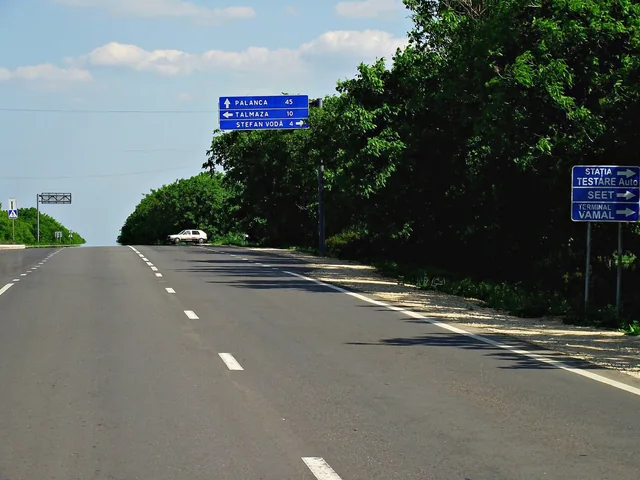
Ștefan Vodă
Small district town that gave its name to the wine region of the south-east
46.5156° N · 29.6621° E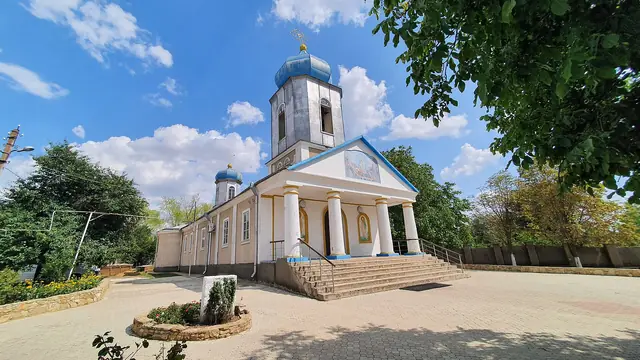 Video
Găgăuzia
Autonomous region of the Gagauz, Orthodox Christians with a Turkic language
46.3011° N · 28.6559° E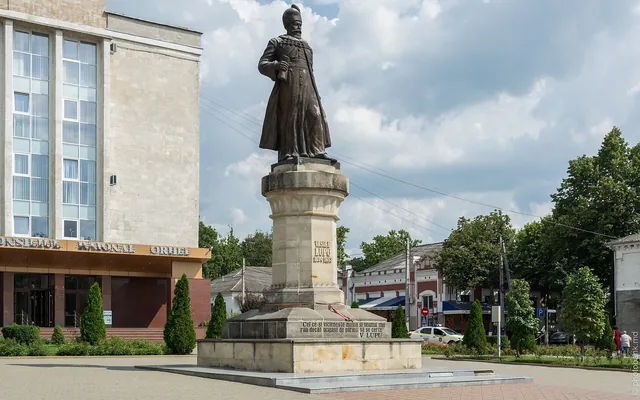
Orhei
District town on the Răut and gateway to Orheiul Vechi
47.3681° N · 28.8271° E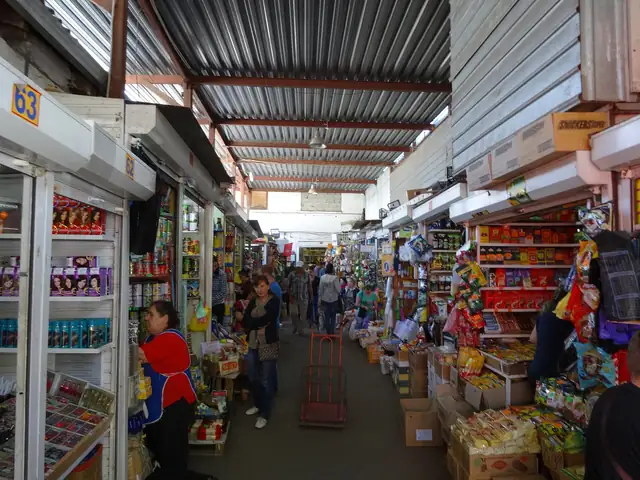
Piața Centrală
The capital's busiest market, where the countryside comes to town every day
47.0195° N · 28.8428° E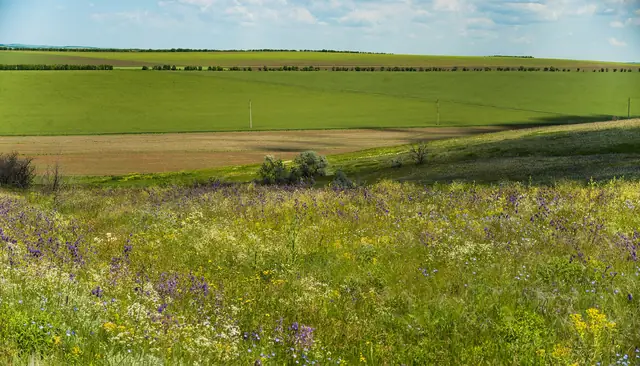
Valul lui Traian
Late antique earthen ramparts running right across southern Moldova
45.7641° N · 28.1692° E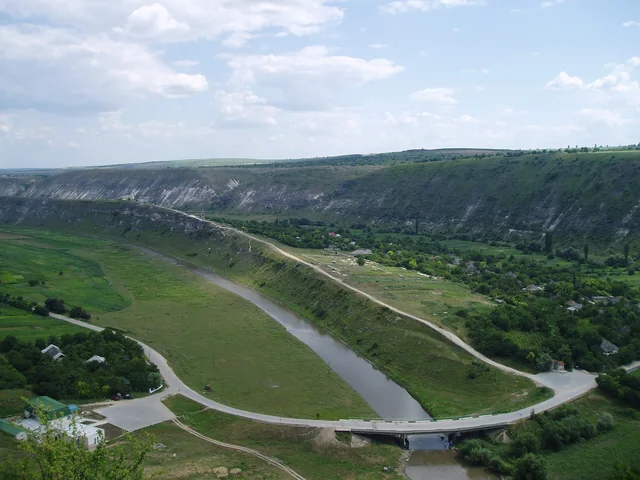 Video
Orheiul Vechi
A limestone river loop with cave monasteries, Getic strongholds and a Golden Horde town
47.3056° N · 28.9750° E