Găgăuzia
Gagauzia
Autonomous region of the Gagauz, Orthodox Christians with a Turkic language
46.3011° N · 28.6559° E101 km from Chișinău
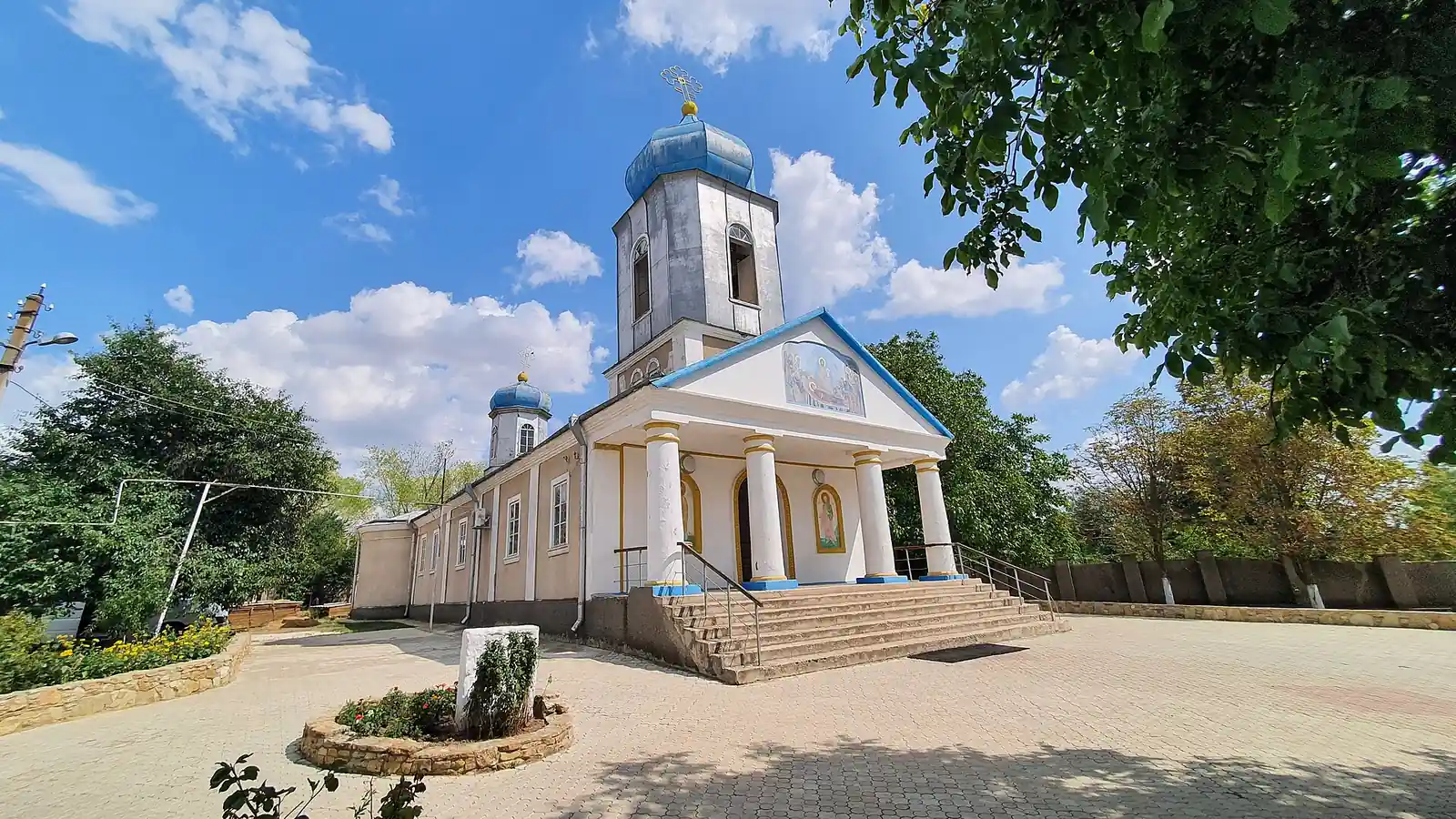
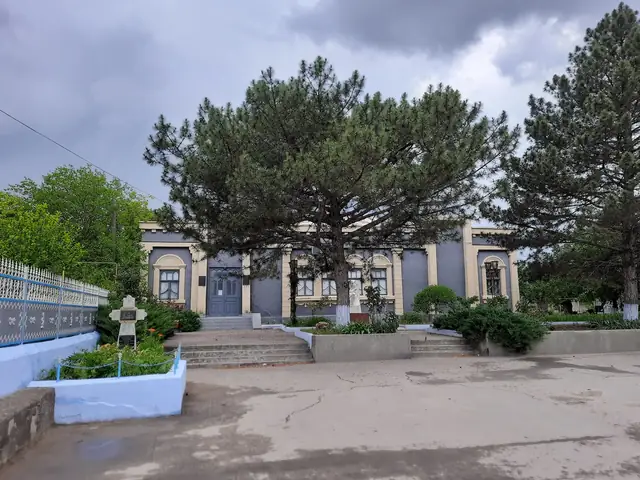
Photo: Nicolai_Chirnev, CC BY-SA 4.0, via Wikimedia Commons
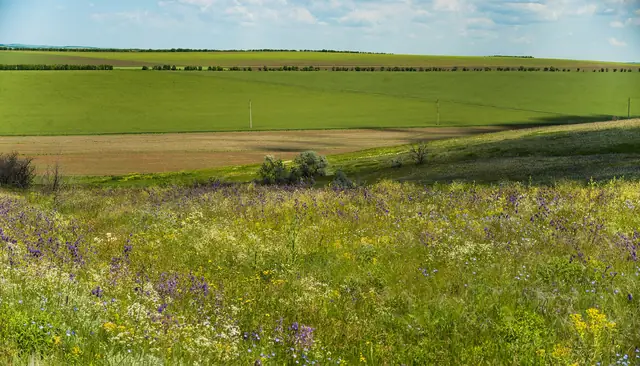
Photo: Guttorm Flatabø from Sogndal, Norway, CC BY 2.0, via Wikimedia Commons
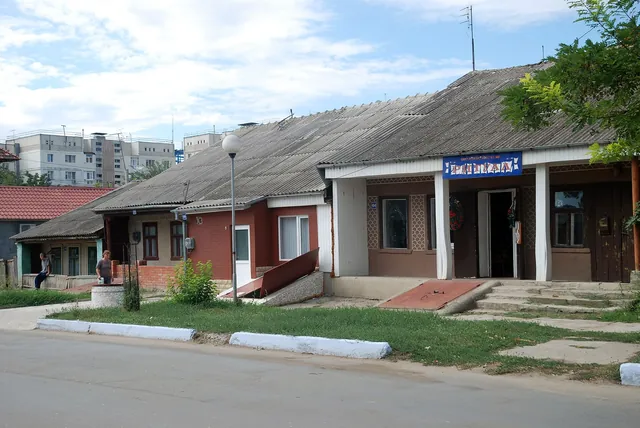
Photo: Nicolai_Chirnev, CC BY-SA 4.0, via Wikimedia Commons
Read the transcript EN
A different Moldova
Drive a hundred kilometres south of Chișinău and the hills flatten. Forests give way to steppe, vineyards and sunflowers. And in the street you hear a language that sounds more like Istanbul than Bucharest. Welcome to Gagauzia. The people here are Orthodox Christians, but their mother tongue is a Turkic language. They call their region Gagauz Yeri, the land of the Gagauz. Yet it is not a separate country: you drive in without a border check.
Settlers from the Balkans
No one knows for certain where the Gagauz come from. Historians have come up with more than twenty theories. What is certain is how they got here. In eighteen twelve, the Russian Empire annexed Bessarabia. The Nogai Tatars who lived in the southern steppe villages had to leave. Between eighteen twelve and eighteen forty-six, Russia settled Gagauz from present-day eastern Bulgaria in those empty villages. Communities grew up in Comrat, Congaz and Avdarma.
A six-day republic
The Gagauz always lived under someone else's rule. First Russia, then Romania, then the Soviet Union. Only in the winter of nineteen oh six were they briefly on their own. During a peasant uprising, Comrat declared its own republic. After six days, it was over. In the late nineteen eighties, the call for self-government returned. After years of tension, on the twenty-third of December nineteen ninety-four, the Moldovan parliament passed a law on the special status of Gagauzia. On the fourteenth of January nineteen ninety-five, the autonomy came into force. That December day has been a holiday ever since.
Steppe and wine
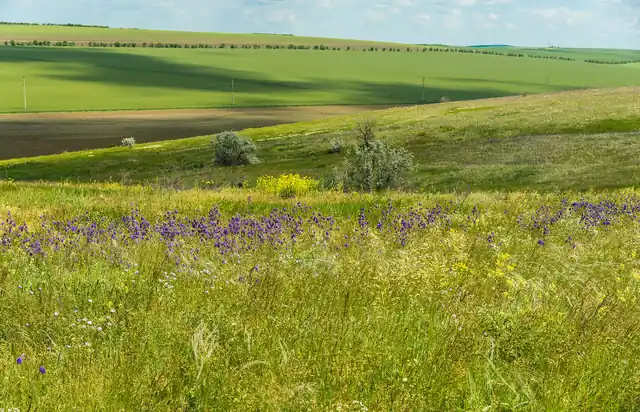
The landscape is open and dry. In summer the grass withers, in spring the steppe turns green. The economy runs on farming, above all on the vine. The region has about a dozen wineries. It also produces sunflower oil, wool, leather and carpets. Drive around and you see row upon row of vines to the horizon.
Comrat and Beșalma
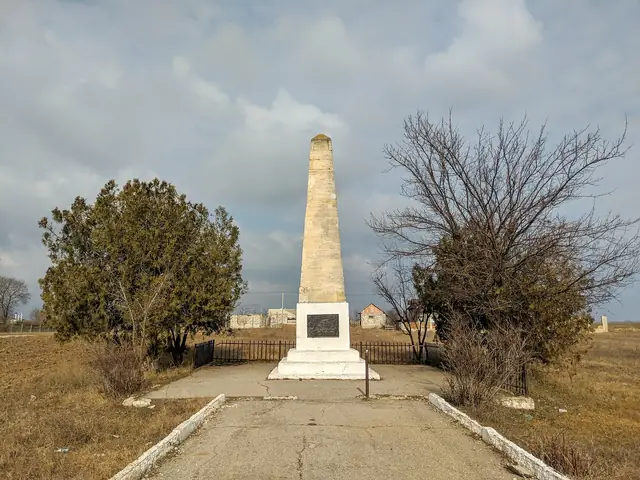
Comrat is the capital of the autonomy, with about nineteen thousand inhabitants. It is the seat of the elected governor, the başkan, and the people's assembly. There are three official languages: Romanian, Gagauz and Russian. In the village of Beșalma, a museum founded by Dmitri Kara Ciobanu shows the history and traditional dress of the people. And in Vulcănești, the southernmost town in Moldova, stands an obelisk from eighteen forty-nine, commemorating a battle of seventeen seventy.
A voice of its own
At the census of twenty twenty-four, Gagauzia had just over one hundred and three thousand inhabitants. More than eight in ten call themselves Gagauz. Politically, the region often sees the world differently from the capital. In the referendum on the European Union in twenty twenty-four, about ninety-five per cent here voted against. Yet the story is remarkable. A farming people from the Balkans, settled on the steppe by a tsar, finally received its self-government from a young Moldovan republic.
Photos: Злодей Андрей (CC BY-SA 4.0), Guttorm Flatabø from Sogndal, Norway (CC BY 2.0), Yuriy Kvach (CC BY-SA 4.0), Guttorm Flatabø from Sogndal, Norway (CC BY 2.0), Guttorm Flatabø from Sogndal, Norway (CC BY 2.0), Guttorm Flatabø from Sogndal, Norway (CC BY 2.0), Gikü (CC0), Gikü (CC0), Gikü (CC0), Bertramz (CC BY-SA 3.0), Pudelek (CC BY-SA 4.0), Bertramz (CC BY-SA 3.0), USAID Digital Development (CC BY 2.0), Society for Birds and Nature Protection of Moldova (CC BY-SA 4.0), Nixalsverdrus (CC BY-SA 3.0), Анатолий Зубанюк (CC BY 3.0), Bertramz (CC BY-SA 3.0), Gikü (CC0), IurieSvet (CC BY-SA 4.0), Gikü (CC0), Guttorm Flatabø from Sogndal, Norway (CC BY 2.0), Gikü (CC0), Guttorm Flatabø from Sogndal, Norway (CC BY 2.0), Gikü (CC0), Linnear (CC BY-SA 3.0), Guttorm Flatabø from Sogndal, Norway (CC BY 2.0), Gikü (CC0). Voice: synthetic voice (AI).
Gagauzia (Găgăuzia, in Gagauz Gagauz Yeri) is an autonomous region in southern Moldova, created in 1995 for the Gagauz: an Orthodox Christian people who speak a Turkic language. The region has three towns, Comrat, Ceadîr-Lunga and Vulcănești, and had 103,668 inhabitants at the 2024 census.
Why go
Gagauzia is one of Moldova's most distinctive regions. You hear Gagauz and Russian, see Orthodox churches next to signs in a Turkic language, and drive through steppe full of vineyards and sunflowers. If you are interested in minorities and borderlands, a day or two here is one of the most instructive excursions in the country.
History and character
The origins of the Gagauz are disputed; historians have put forward more than twenty theories. What is certain is that after annexing Bessarabia in 1812, Russia brought Gagauz from what is now eastern Bulgaria between 1812 and 1846 and settled them in villages the Nogai Tatars had been forced to leave, such as Comrat, Congaz and Avdarma. During a peasant uprising in the winter of 1906, Comrat proclaimed its own republic for a few days.
In the late 1980s a Gagauz movement grew, partly out of unease over the language laws of 1989. In 1990 a Gagauz republic was proclaimed, which Chișinău did not recognise. The compromise came with the law on special status of 23 December 1994, in force since 14 January 1995. Gagauzia has three official languages (Romanian, Gagauz and Russian), an elected governor (başkan) and its own People's Assembly. Politically the region looks strongly towards Russia: in Moldova's 2024 EU referendum about 95% voted against.
What to see and do
Comrat, the largest town with 19,100 inhabitants, has the institutions of the autonomy and a university. In the village of Beșalma, the Gagauz museum of history and ethnography shows traditional dress, tools and the history of the settlement. With about 8,300 inhabitants according to the 2024 census, Congaz is one of Moldova's five largest villages. In Vulcănești an obelisk from 1849 commemorates the battle at Lake Cahul.
The economy runs on farming and above all winemaking: the region has around a dozen wineries.
Eating, drinking and sleeping
In Comrat you will find hotels, restaurants and cafés. The cooking blends Balkan, Turkish and Moldovan influences; ask for local specialities and house wine. Outside the towns guesthouses are scarce, so Comrat is the logical base.
Practical information and tips
Comrat lies about 101 km from Chișinău, some 1 hour 45 by car; buses run daily. There is no border control: Gagauzia is simply Moldovan territory. Russian is the common language; English will get you less far than in Chișinău. In 2026 the Belgian travel advice describes Moldova as safe in principle and gives no separate advice for Gagauzia.
Highlights
- Autonomy since 14 January 1995
- Three official languages
- Beșalma museum
- Winemaking as the economic backbone