Vulcănești
Moldova's southernmost town, in Gagauzia, with an obelisk from 1849
45.6824° N · 28.4022° E179 km from Chișinău
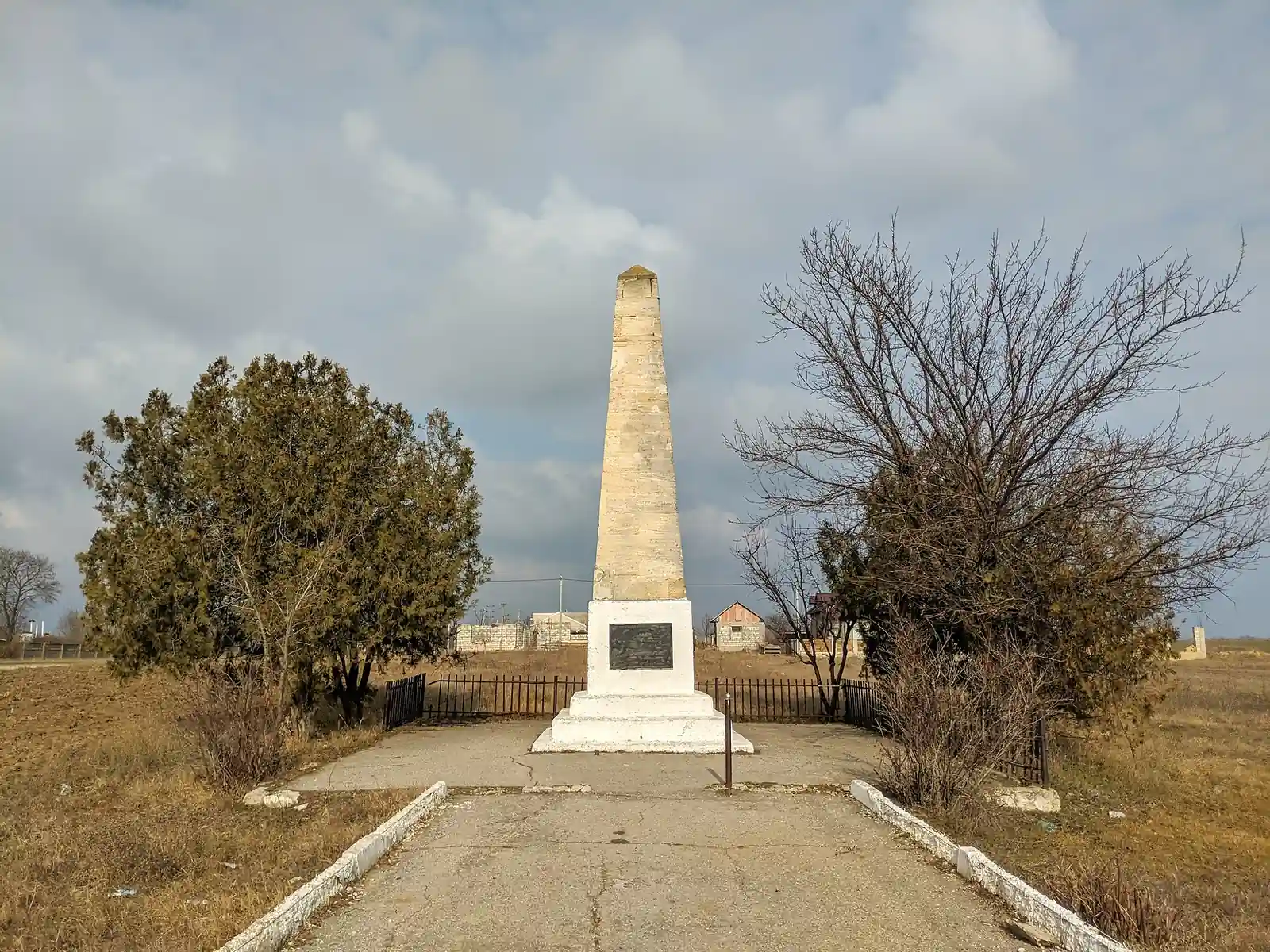
Photo: IurieSvet, CC BY-SA 4.0, via Wikimedia Commons
Vulcănești (in Gagauz: Valkaneș) is the southernmost town in Moldova and one of the towns of the autonomous region of Gagauzia. Near the town, on Lake Cahul, major battles were fought in 1574 and 1770, still commemorated by an obelisk from 1849.
Why go
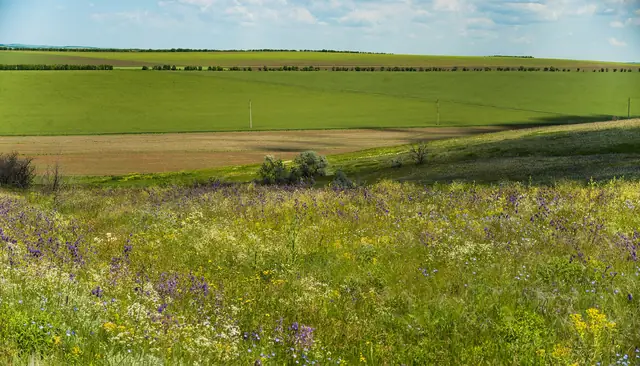
Vulcănești lies at the country's southern tip, 7 km from the border with Ukraine and about 35 km from Romania. It is a farming town on the steppe, with vineyards stretching to the horizon and a mainly Gagauz population. If you want to understand the south, with its mix of languages and history, this is a good example.
History and character
The land around Lake Cahul was a battlefield more than once. In 1574 Prince Ioan Vodă cel Cumplit fought his last battle here against the Ottoman army. In 1770 the Russian general Pyotr Rumyantsev defeated a much larger Ottoman army on the same shore; the young Mikhail Kutuzov fought there too. According to the historian Zamfir Arbore, the present settlement was founded around 1822 by colonists on the site of old sheepfolds.
Between 1856 and 1878 the area belonged to Moldavia and Romania. In 1877 the Chișinău-Reni railway arrived, with a station 6 km from the village. Since 1995 Vulcănești has been part of Gagauzia. At the 2024 census the town had 10,754 inhabitants; about 70% described themselves as Gagauz, and Moldovans, Russians, Ukrainians and Bulgarians live here too.
What to see and do
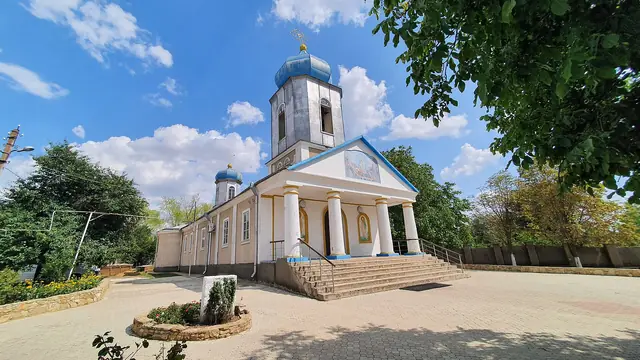
The best-known monument is the 22-metre obelisk from 1849, with a cross above an inverted crescent, commemorating the battle of 1770. The inscriptions mention Rumyantsev and the Ottoman grand vizier. According to the diocesan yearbook of 1922, the Church of the Dormition of the Mother of God was built in brick in 1802.
North of the town run the remains of the earthen rampart called the Valul lui Traian, with nineteen burial mounds in the surrounding area. Almost 83% of the land is farmland, including more than 1,300 ha of vineyards.
Eating, drinking and sleeping
There are local restaurants and cafés serving Gagauz and Moldovan food. The choice of hotels is limited; Comrat or Cahul offer more. Local wineries sometimes sell directly; ask locally.
Practical information and tips
Vulcănești lies about 179 km from Chișinău. By car it takes just under three hours; buses run daily, but the journey takes longer. In everyday life you will mainly hear Russian and Gagauz. In 2026 the Belgian travel advice describes Moldova as safe in principle, with vigilance regarding the situation in neighbouring Ukraine.
Highlights
- Moldova's southernmost town
- Obelisk from 1849 for the battle of 1770
- Remains of the Valul lui Traian
- Mainly Gagauz population