Transnistria
Unrecognised breakaway region on the left bank of the Dniester
47.2700° N · 29.1600° E78 km from Chișinău
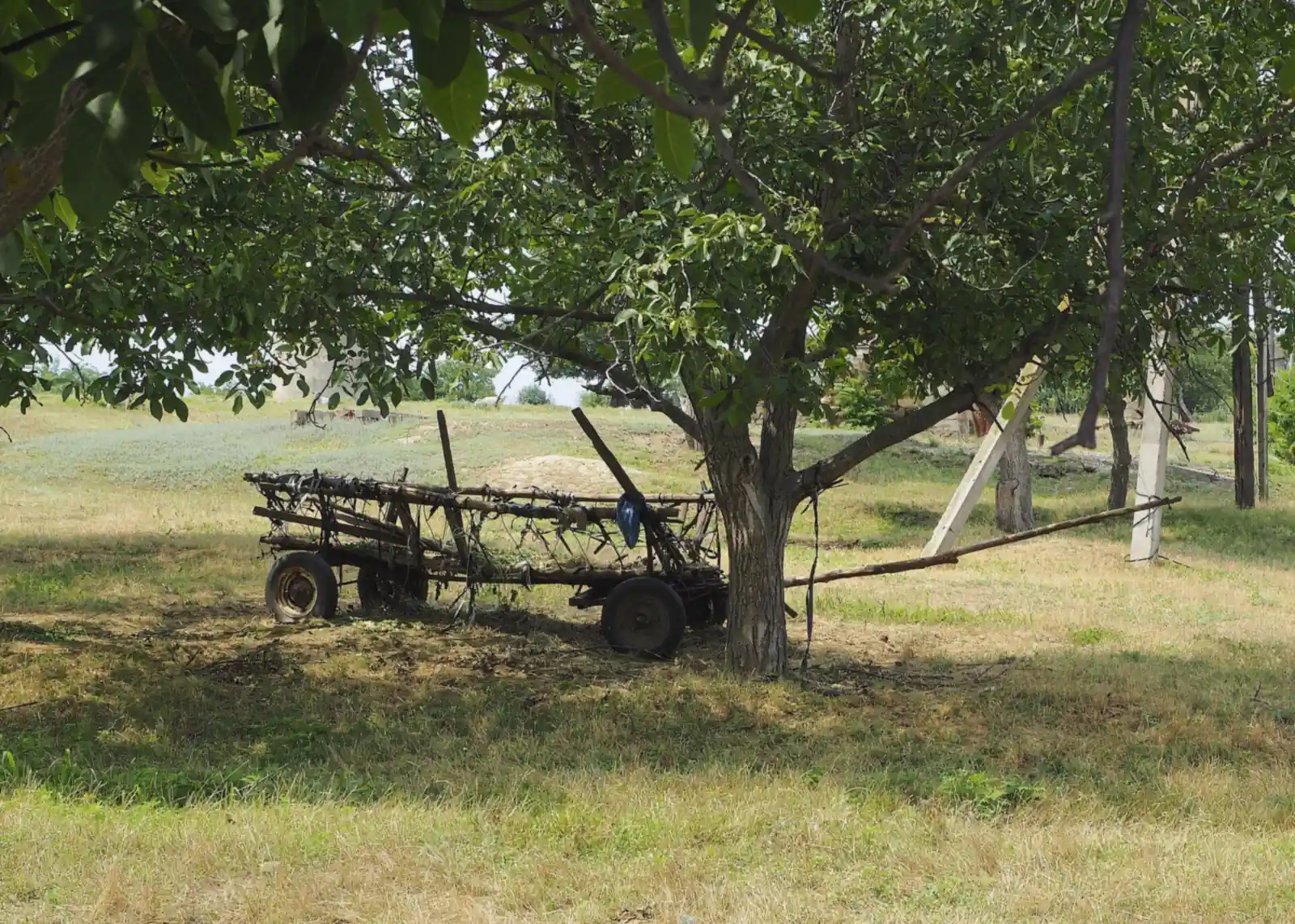
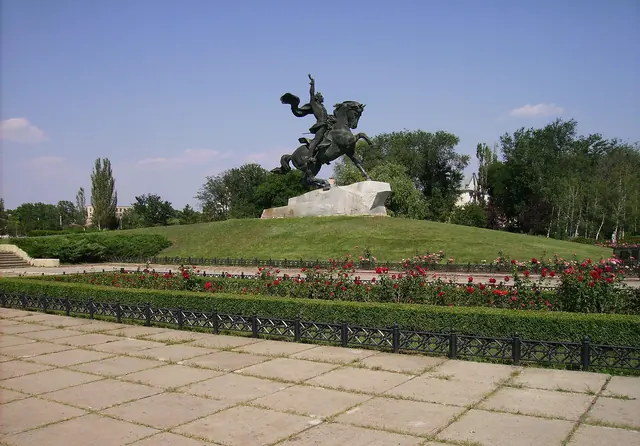
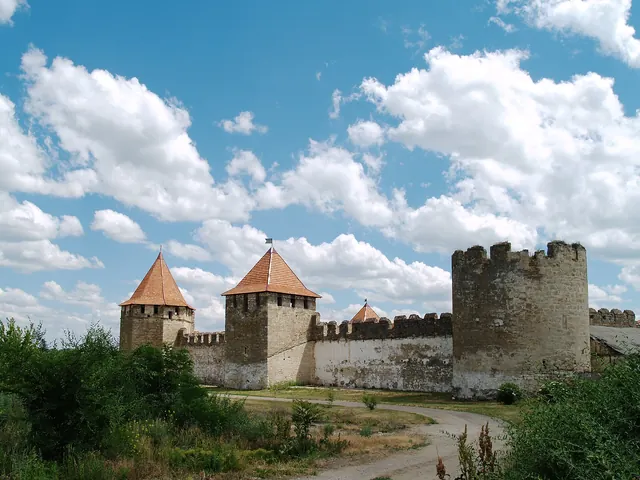
Photo: Clay Gilliland, CC BY-SA 2.0, via Wikimedia Commons
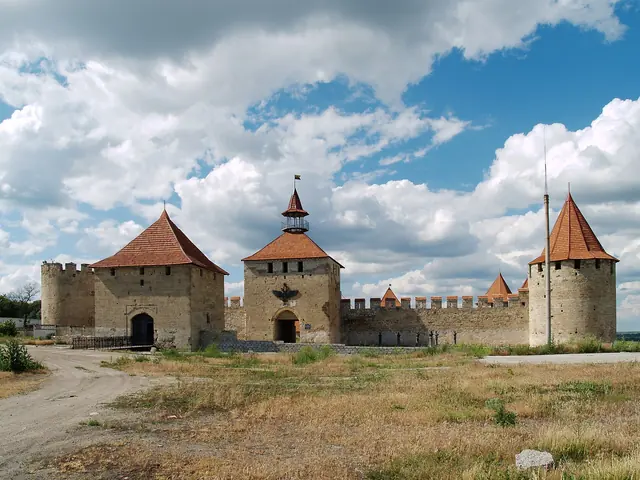
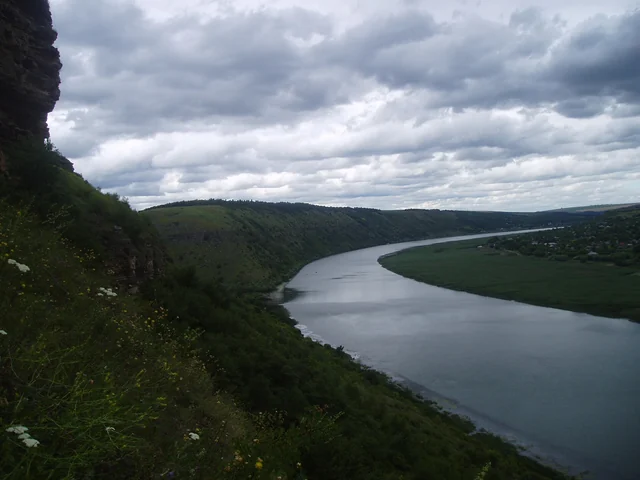
Photo: Visem, CC BY-SA 3.0, via Wikimedia Commons
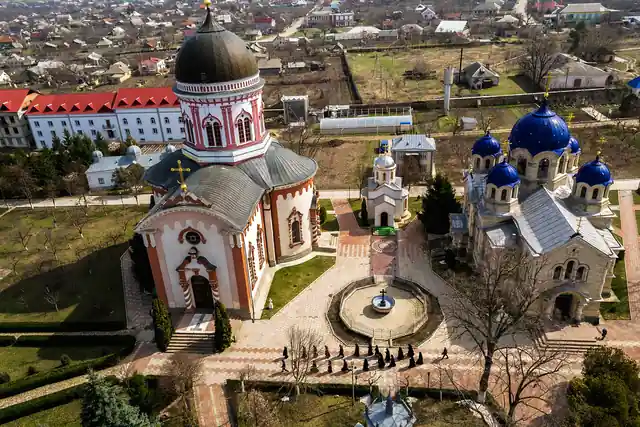
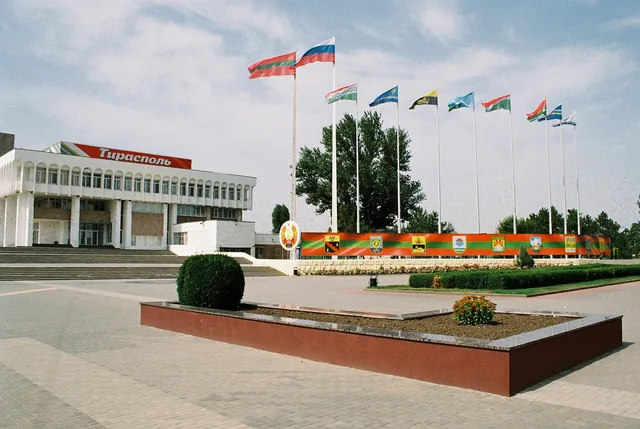
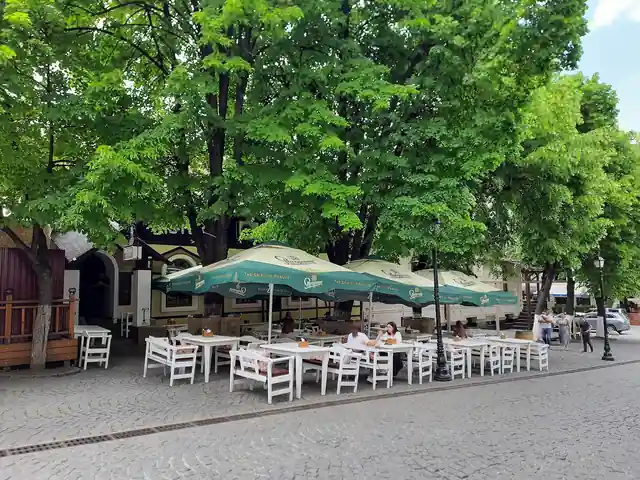
Photo: William John Gauthier, CC BY-SA 2.0, via Wikimedia Commons
Transnistria is the narrow strip of land between the Dniester and the Ukrainian border that broke away from Moldova in 1990 and calls itself the Pridnestrovian Moldavian Republic. No UN member recognises the region; internationally it belongs to Moldova, but the Moldovan government has no control there.
Why go
Transnistria attracts the curious with its Soviet backdrop: a Lenin statue in front of the parliament building in Tiraspol, a hammer and sickle on the coat of arms, a currency of its own. At the same time it is a region with an unresolved conflict. The Belgian travel advice (updated on 17 July 2026) strongly advises against all travel to Transnistria, including transit from Moldova to Ukraine, and consular assistance cannot be guaranteed there. So read this page mainly as background.
History and character
On 2 September 1990 the region declared its secession from the Moldavian SSR, out of fear of Romanian language policy and a possible union with Romania. An armed conflict followed from March to July 1992, ended by a ceasefire and a trilateral peacekeeping force of Moldova, Russia and Transnistria. Russia still has a military unit stationed there.
The territory covers about 4,163 km². According to its own count of 2015, just over 475,000 people lived there; more recent Moldovan estimates are much lower. According to that count, Russians (29%), Moldovans (29%) and Ukrainians (23%) were the largest groups. Since 1 January 2025, when the transit of Russian gas via Ukraine stopped, the region has been struggling with a severe energy crisis.
What to see and do
Tiraspol, the largest city, has broad Soviet avenues, an equestrian statue of Suvorov and the parliament building with the Lenin statue in front. The Kvint distillery is known for its brandy. In Bender (Tighina), which lies on the right bank but is under Transnistrian administration, an Ottoman fortress stands by the river. Further on, Rîbnița and Dubăsari lie on the Dniester. In 2021 the football club Sheriff Tiraspol became the first club from Moldova to reach the Champions League group stage.
Eating, drinking and sleeping
Tiraspol has hotels, restaurants and cafés. Payment is in Transnistrian roubles, which have no value outside the region. Foreign bank cards generally do not work there, and you cannot simply use Moldovan lei or euros everywhere.
Practical information and tips
On the road to Tiraspol you pass a Transnistrian checkpoint, where foreigners show their passport and are registered. Moldova does not regard this as a state border. The rules change regularly, and your Belgian or Dutch travel insurance often does not cover travel against negative travel advice. Follow the current travel advice; in 2026 it says: do not go.
Highlights
- Secession declared in 1990, not recognised
- Ceasefire since July 1992
- Its own currency: the Transnistrian rouble
- Belgian travel advice 2026: all travel strongly advised against