Bender (Tighina)
Fortress town on the right bank of the Dniester, under Transnistrian administration
46.8218° N · 29.4819° E68 km from Chișinău
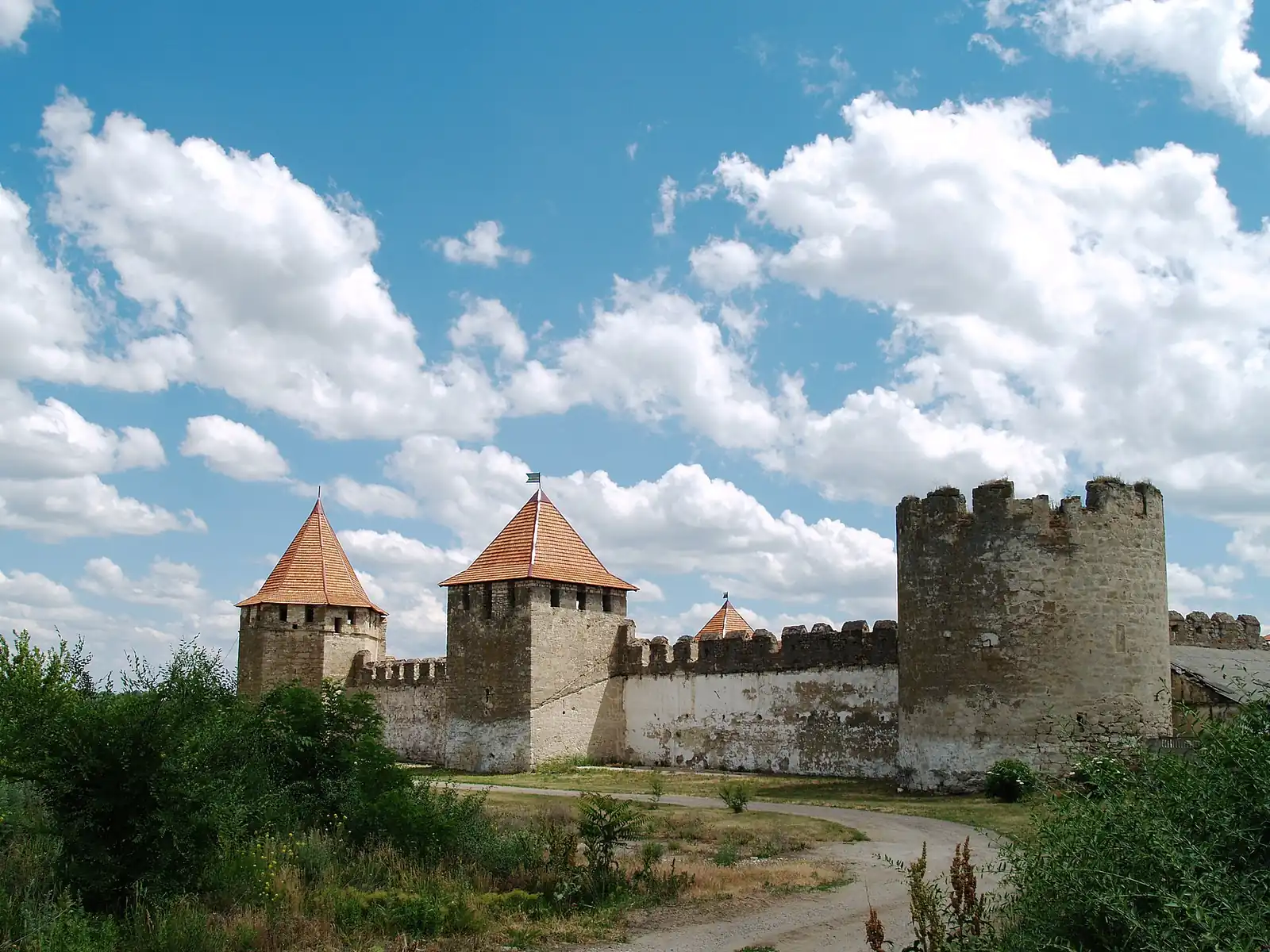
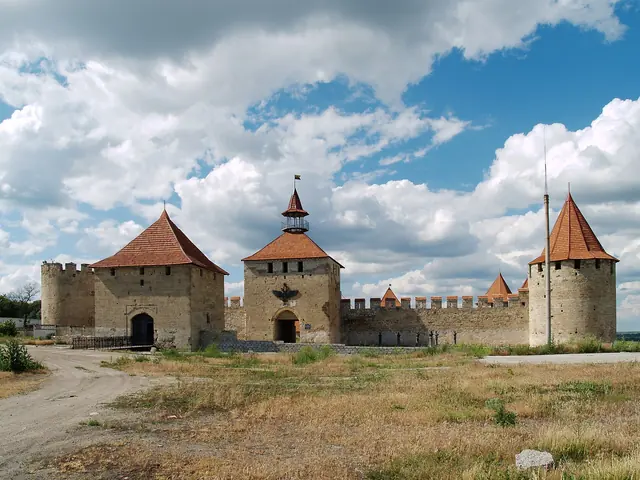
Photo: Ivo Kruusamägi, CC BY-SA 3.0, via Wikimedia Commons
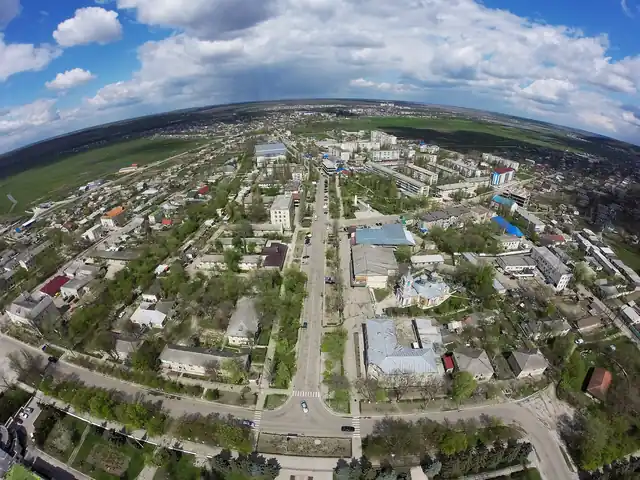
Bender, Tighina in Romanian, is a fortress town on the right bank of the Dniester that has been run by the Transnistrian de facto authorities since 1992, inside a security zone supervised by a Joint Control Commission. The town is known for its Ottoman fortress and for the Swedish king Charles XII, who stayed here for four years after 1709. The Belgian travel advice for 2026 strongly advises against travel to Transnistria.
Why go
Bender has one of the best-preserved fortresses in the region, at a strategic spot where roads and railways cross the Dniester. Legally the town belongs to Moldova, but day-to-day administration lies with Transnistria, and you notice it in the flags, the currency and the checkpoints. The neighbouring village of Varnița, on the other hand, is under Moldovan authority. This patchwork makes the town a tangible example of the unresolved conflict over the Dniester.
History and character
In 1408 Prince Alexandru cel Bun first mentioned the place, as a customs post on the Dniester. In 1538 the Ottoman sultan Suleiman the Magnificent captured the town, named it Bender and had the fortress enlarged. After his defeat at Poltava, the Swedish king Charles XII took refuge here between 1709 and 1713; he had a house built in Varnița.
In 1992 Bender saw the heaviest fighting of the entire Transnistrian conflict. Since then the town has been in the security zone, where the Joint Control Commission of Moldova, Russia and Transnistria keeps watch. The population has shrunk sharply: from 138,000 in 1989 to about 84,000 according to a 2025 estimate by the de facto authorities.
What to see and do
- The Tighina fortress on the Dniester, with its Ottoman walls and towers.
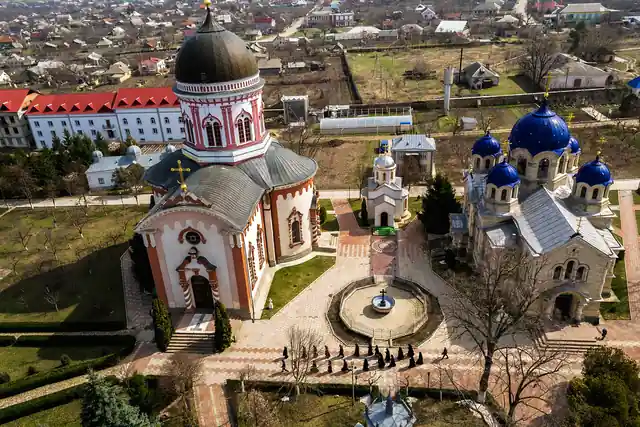
- The Cathedral of the Transfiguration in the centre.
- The railway bridge over the Dniester and Bender-1 station.
- Varnița, on the Moldovan side, linked to the memory of Charles XII.
Eating, drinking and sleeping
The choice is limited to simple cafés, canteens and a few hotels. In town you pay with the Transnistrian rouble, which can only be exchanged inside the region; change money locally at an exchange office. Do not assume that foreign bank cards will work. Visitors usually stay overnight in Chișinău, just over an hour's drive away.
Practical information and tips
Bender lies about 68 kilometres east of Chișinău. The buses and minibuses from Gara Centrală to Tiraspol run via Bender, and there is a rail link with Chișinău. On the edge of town you pass a Transnistrian checkpoint, where foreigners receive a migration card. The Belgian travel advice (17 July 2026) strongly advises against all travel to Transnistria, including transit to Ukraine.
Highlights
- Ottoman fortress of Tighina on the Dniester
- Stay of Charles XII of Sweden (1709-1713)
- Varnița under Moldovan authority
- Railway bridge over the Dniester
- Belgian travel advice 2026: travel strongly advised against