Cetatea Tighina (Bender Fortress)
Tighina Fortress (Bender)
An Ottoman fortress on the Dniester, refuge of Charles XII and now in Transnistrian territory
46.8374° N · 29.4874° E66 km from Chișinău
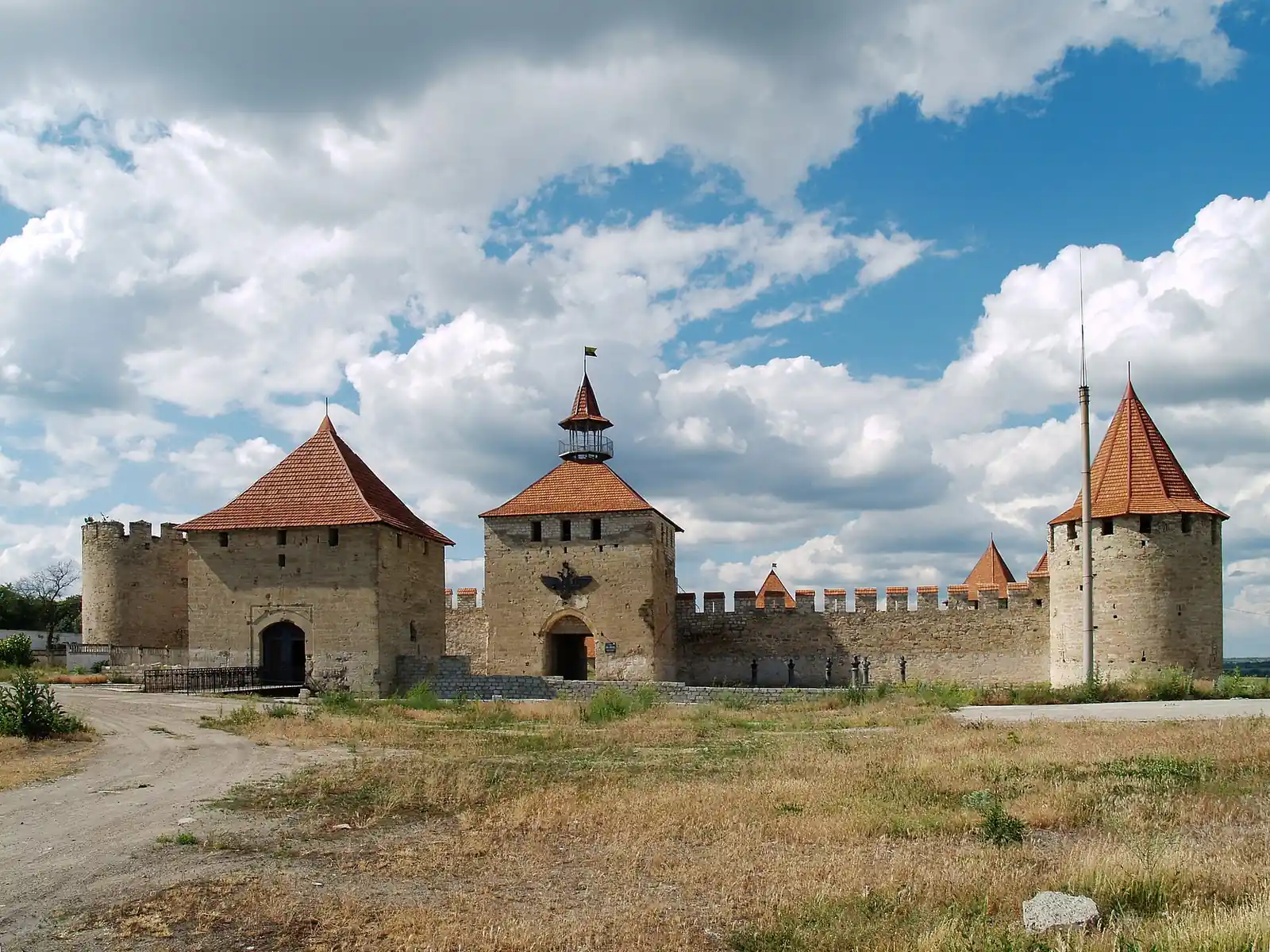
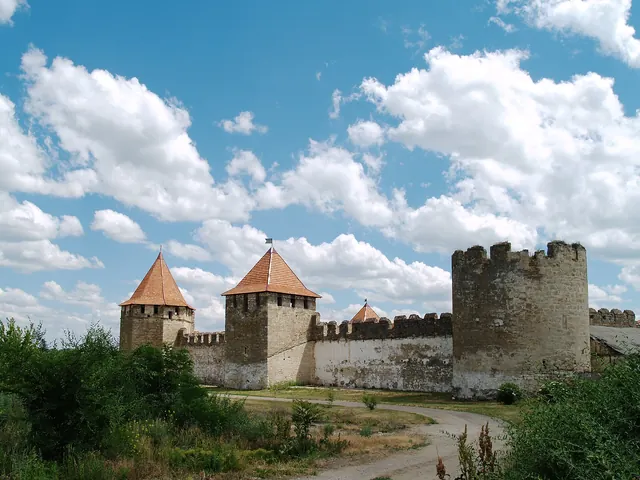
Photo: Ivo Kruusamägi, CC BY-SA 3.0, via Wikimedia Commons
Cetatea Tighina is a large fortress on the right bank of the Dniester in the city of Bender (Romanian: Tighina), which Sultan Suleiman the Magnificent had built in stone from 1538 onwards. For centuries it was an Ottoman bulwark against Poland and Russia, until it became Russian for good in 1812. Since 1992 the fortress has been in territory under Transnistrian control; in 2026 the Belgian travel advice strongly advises against all travel there.
What you see
The fortress consists of three parts, a citadel, a lower fortress and an outer fortress, which together cover about 67 hectares. The citadel, with its heavy towers and limestone walls, stands by the river; a dry moat that never held water runs along three sides. Inside the walls stands the Church of Alexander Nevsky, consecrated in 1833 and back in use since 2011. The former powder magazine has housed a history museum since 2008, and in 2012 a museum of medieval instruments of torture opened in the Armenian tower.
History
Tighina is first mentioned in a trade privilege of 6 October 1408, in which Prince Alexandru cel Bun granted exemptions to merchants from Lviv. At that time there was a Moldavian customs post here with a fortification of wood and earth. In 1538 Suleiman the Magnificent captured the place and had it rebuilt and enlarged in stone, according to tradition to a design by the master builder Sinan. The Ottomans called it Bender. Around 1705-1707 the complex had ten bastions and eleven towers.
After his defeat at Poltava in 1709, the Swedish king Charles XII found refuge here; he stayed until 1713, when the Ottomans had him arrested. The Cossack leader Ivan Mazepa died in Bender in 1709. Russia took the fortress in 1770 and 1789, handed it back each time, and gained it for good in 1812 with the Treaty of Bucharest. According to the historical summary of the complex, the Romanian period after 1918, the Second World War and the war of 1992 also brought fighting or changes of control. A Transnistrian army unit has been stationed there since 1996.
Tips for your visit
The key question is whether you want to go at all. In its travel advice (updated on 17 July 2026), the Belgian Federal Public Service Foreign Affairs strongly advises against all travel to Transnistria; the Moldovan government has no control there and consular assistance is not guaranteed. Anyone who goes anyway passes through a Transnistrian checkpoint, shows their passport and pays in Transnistrian roubles. Do not photograph checkpoints or soldiers.
Highlights
- Ottoman citadel from 1538-1541 on the Dniester
- Residence of Charles XII after Poltava (1709-1713)
- Church of Alexander Nevsky (1833) inside the walls
- Museum in the powder magazine since 2008