Mănăstirea Noul Neamț (Chițcani)
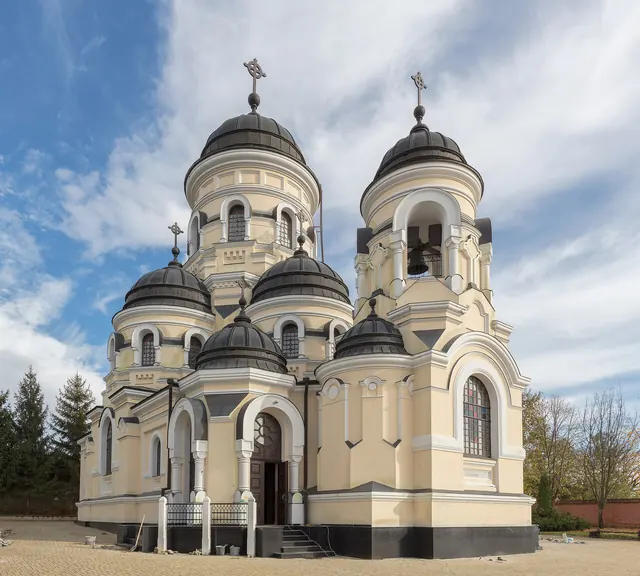
Noul Neamț Monastery in Chițcani
A monastery for men from 1861 near Bender, founded by monks from Neamț in Romania
46.7877° N · 29.5997° E82 km from Chișinău
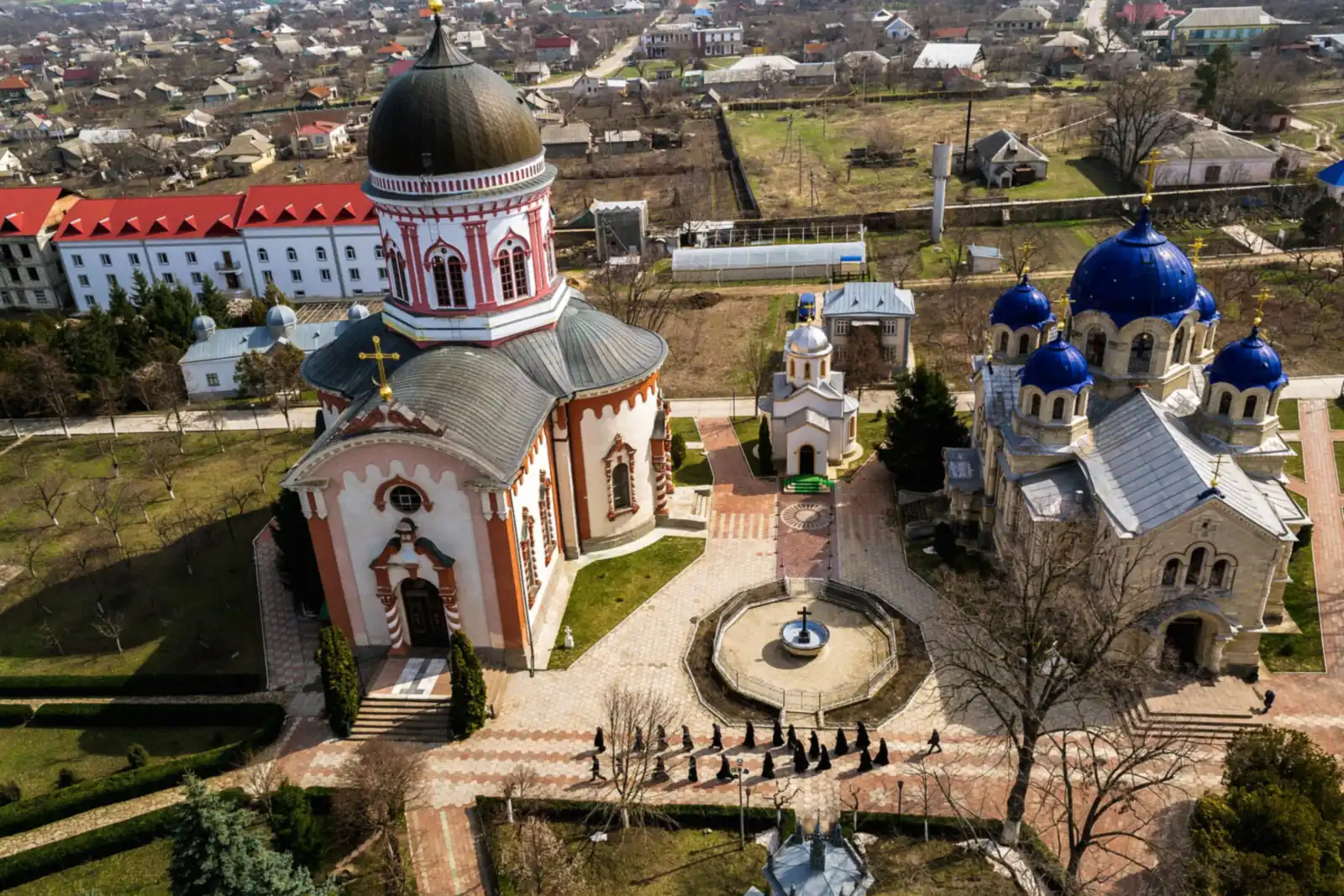
Photo: Tanyaofearth, CC BY-SA 4.0, via Wikimedia Commons
Mănăstirea Noul Neamț is an Orthodox monastery for men in Chițcani, between Bender and Tiraspol, founded in 1861 by monks who had left Neamț Monastery in Romania. Since 1992 the village has been under the control of the unrecognised Transnistrian authorities. If you want to visit, take into account the Belgian travel advice, which in 2026 strongly advises against all travel to Transnistria.
What you see
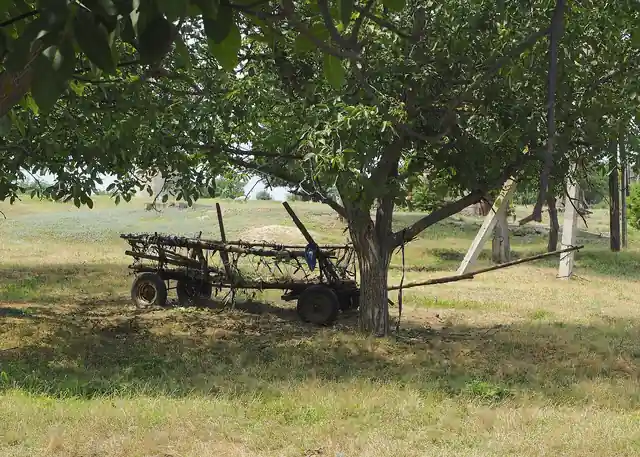
The monastery stands in the village of Chițcani (Russian: Kitskany) on the right bank of the Dniester, a few kilometres south-east of Bender. It is dedicated to the Ascension. Like the Romanian name, the Russian name, Novo-Nyametsky, refers to the mother monastery of Neamț in the Romanian region of Moldavia, on the other side of the Prut. The grounds also contain a tree with an image carved into its trunk.
History
According to Wikipedia, the monastery was founded in 1861 by monks who had left Neamț, one of Romania's most important monasteries; other sources give 1864. Their departure was a protest against Romanian measures to expropriate monastic property and to banish Slavonic from the liturgy. Bessarabia had belonged to the Russian Empire since 1812, so here the monks were beyond the reach of those measures.
On 16 May 1962 the Soviet authorities closed the monastery and turned the buildings into a hospital. In 1989 the church reopened, and in 1991 a Romanian-language school for Orthodox priests was started. Since the armed conflict of 1992, Chițcani has been in the area controlled by the Transnistrian authorities, although internationally it belongs to Moldova.
Tips for your visit
The most important practical point is the political situation. In its travel advice (last updated on 17 July 2026), the Belgian Federal Public Service Foreign Affairs strongly advises against all travel to Transnistria. The Moldovan government has no control there, and consular assistance is not guaranteed. Anyone who does travel passes through a Transnistrian checkpoint, has to show their passport and pays locally in Transnistrian roubles.
Always check the current situation and the travel advice before you set off, and do not take photographs on your own initiative near checkpoints or military installations. If you would rather not enter the region, you will find related monasteries with a similar atmosphere in Moldova proper, such as Căpriana or Curchi.
Highlights
- Large monastery for men founded by monks from Neamț (1861)
- Church of the Ascension in a walled complex
- A Soviet hospital from 1962 to 1989
- Located in territory controlled by Transnistria