Mănăstirea Căpriana
Căpriana Monastery
A princely monastery from 1429 in the Codri forests, with the oldest church in the country
47.1161° N · 28.5106° E37 km from Chișinău
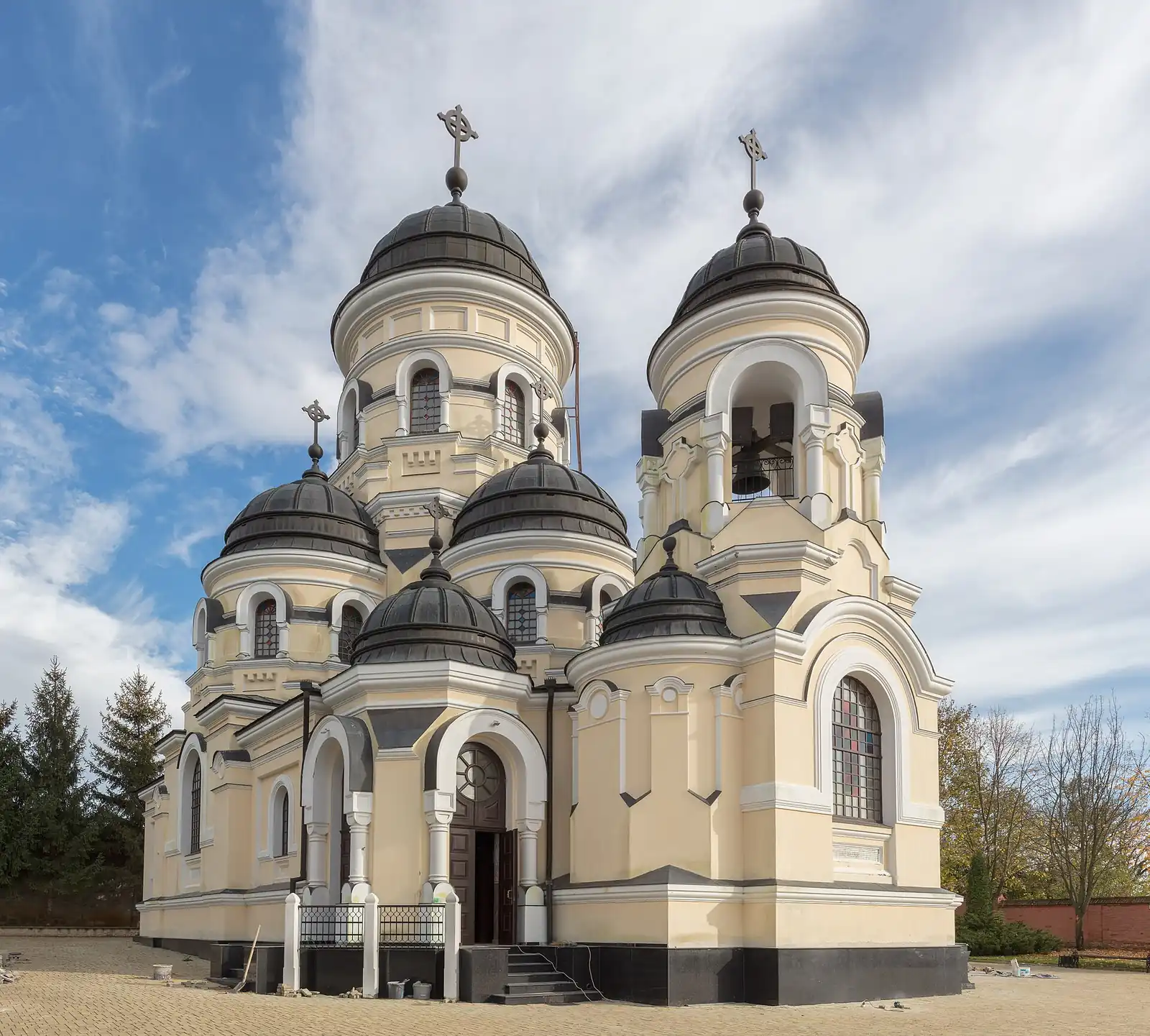
Photo: Diego Delso, CC BY-SA 4.0, via Wikimedia Commons
Photo: Andrey from Russia, CC BY 2.0, via Wikimedia Commons
Photo: Diego Delso, CC BY-SA 4.0, via Wikimedia Commons
Read the transcript EN
A gift from fourteen twenty-nine
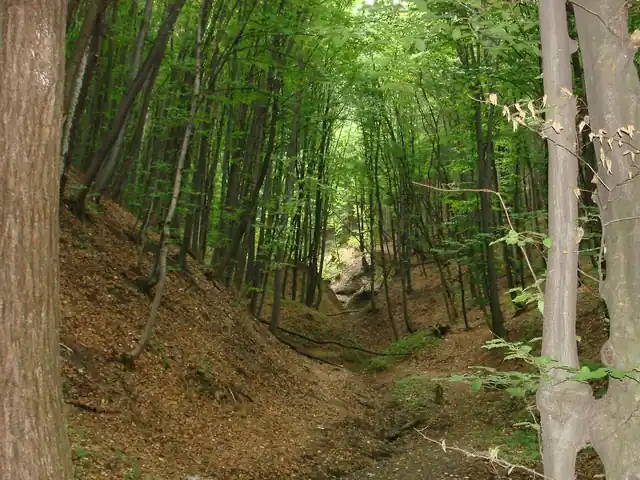
In fourteen twenty-nine, Prince Alexandru cel Bun signed a charter. He gave a monastery in the woods princely status and granted it to his wife, Princess Marena. Today that monastery is called Căpriana. It still lies among the wooded hills of the Codri, some forty kilometres from Chișinău. It is one of the oldest monasteries in Moldova. Arriving today, you drive through oak and beech until the forest opens and the domes appear. It seems a quiet place, but Căpriana long stood close to power.
The church of Petru Rareș
Archaeologists date a first stone church to around fourteen twenty-five. Several princes supported the monastery, among them Ștefan cel Mare. After a period of decline, Petru Rareș had the main church rebuilt between fifteen forty-two and fifteen forty-five. That Church of the Dormition of the Mother of God still stands. It is considered the oldest surviving church in the country. Its sober walls show the architecture of the medieval Principality of Moldavia, long before the Russian era.
Books and a metropolitan
Căpriana was also a place of learning. The monastery had one of the richest libraries in Moldavia, including manuscripts and books from the Zograf monastery on Mount Athos. Behind the bell tower lies the grave of Metropolitan Gavriil Bănulescu-Bodoni. He led the church of Bessarabia from eighteen thirteen to eighteen twenty-one, the year he was buried here. The province had just been joined to the Russian Empire, and he played a major role in building up its church.
Years of silence
After the Second World War, everything changed. In nineteen forty-seven the monks were driven out, and in nineteen sixty-two the monastery closed. A sanatorium for children with tuberculosis moved into the buildings. One church became a village club, another a storehouse. The famous library vanished, and no one knows where the books went. Having survived five centuries, the monastery decayed within a few decades.
The restoration
In nineteen eighty-nine, monastic life returned. Between two thousand and three and two thousand and five came a major restoration, paid for by the state and private donors. In twenty sixteen, the metropolitan's remains were found again. That same year he was recognised as a local saint. Today the site has three churches: the old church of Petru Rareș, a Saint George's church from eighteen forty and a winter church from nineteen oh three.
The oak of Ștefan
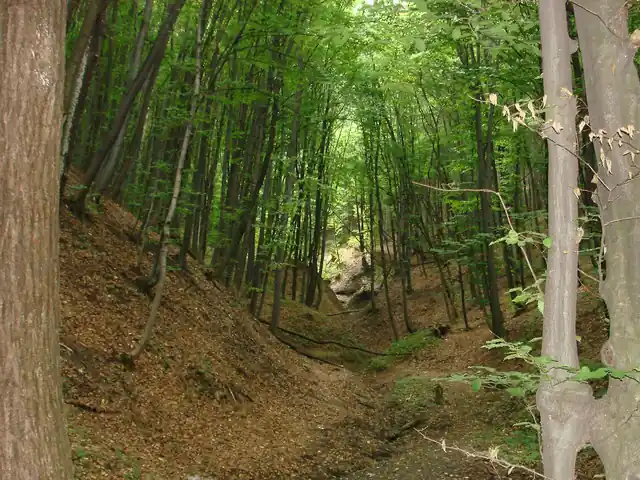
In the forest near the monastery stands an old oak. Tradition calls it the oak of Ștefan cel Mare. The prince is said to have rested there after a hard battle. No one can prove it. But the monastery itself shares something with that tree. It stood here while borders were redrawn around it again and again, by princes, sultans, tsars and party bosses. It was closed, emptied and forgotten. And yet it still stands, with its churches among the trees.
Photos: Vladikh (CC BY-SA 4.0), Alex Prodan md (CC BY-SA 4.0), Silvia Ursul (CC BY-SA 4.0), IurieSvet (CC BY-SA 4.0), Diego Delso (CC BY-SA 4.0), Cristibur (Uploads) (CC BY 3.0), see above (Public domain), TotalAnarchy (CC BY-SA 4.0), Georgid (CC BY-SA 3.0), TotalAnarchy (CC BY-SA 4.0), Jan Vochoč (Public domain), Prof. emeritus Hans Schneider (Geyersberg) (CC BY 3.0), TotalAnarchy (CC BY-SA 4.0), Tolea93 (CC BY-SA 4.0), Alex Prodan md (CC BY-SA 4.0), Tolea93 (CC BY-SA 3.0), Criss90kf (CC BY-SA 4.0), Mihai Botan 77 (CC BY-SA 4.0), Jbuket (CC BY-SA 4.0), Iurieph (CC0), Wikimedia Commons (Public domain), Visem (CC BY-SA 4.0), User:Zserghei (Public domain). Voice: synthetic voice (AI).
Mănăstirea Căpriana is one of the oldest monasteries in Moldova, documented as a princely foundation since 1429, in the forests of the Codri region north-west of Chișinău. Its Church of the Dormition, rebuilt by Petru Rareș in 1542-1545, is regarded as the oldest surviving church in the country. After decades of Soviet neglect, the monastery has been back in use since 1989.
What you see
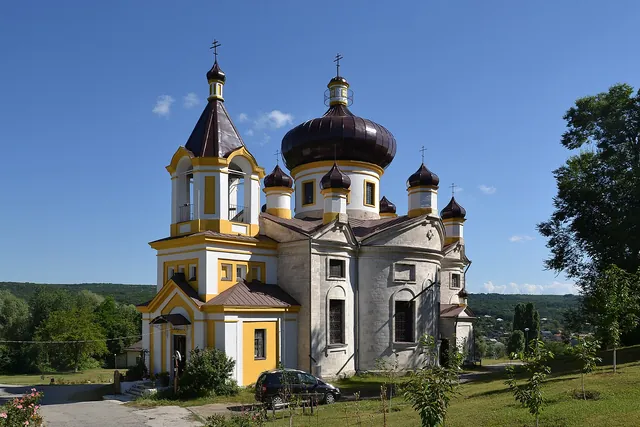
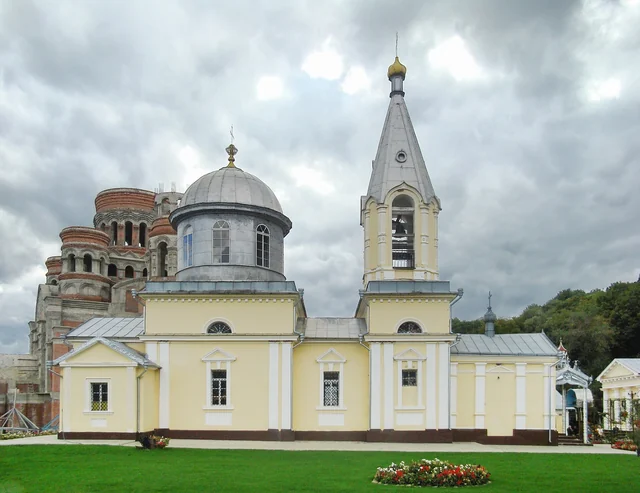
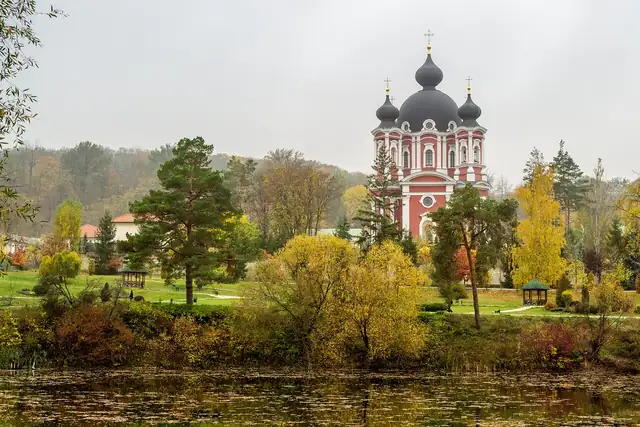
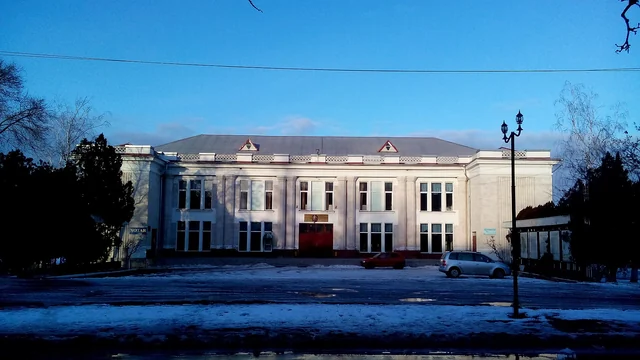
The monastery stands in a clearing among wooded hills, about 37 kilometres from the centre of Chișinău. There are three churches on the grounds. The oldest is the stone summer church of the Dormition of the Mother of God (Adormirea Maicii Domnului), a sober building in the Moldavian medieval tradition. The Church of St George dates from 1840 and has late baroque features. The winter church of St Nicholas, from 1903, harks back to the forms of medieval Moldavian churches.
Behind the bell tower lies the grave of Metropolitan Gavriil Bănulescu-Bodoni, who led the Church of Bessarabia from 1813 to 1821. In the woods around the monastery stands an old oak that tradition calls the oak of Ștefan cel Mare: the prince is said to have rested here after a hard-fought battle.
History
In 1429 Prince Alexandru cel Bun gave the monastery princely status and granted it to his wife, Princess Marena, according to the charter also cited by Wikipedia. Later rulers, among them Ștefan cel Mare, Petru Rareș and Alexandru Lăpușneanu, supported it. Archaeologists date a first stone church to around 1425; after a period of decline, Petru Rareș had the main church completely rebuilt between 1542 and 1545.
Căpriana once had one of the richest monastic libraries in Moldavia, with manuscripts and books from places including the Zograf Monastery on Mount Athos; that collection disappeared during the Soviet period. In 1947 the monks were driven out, and in 1962 the monastery closed. The buildings served, among other things, as a sanatorium for children with tuberculosis, a village club and a storehouse. Monastic life returned in 1989, and a major restoration followed between 2003 and 2005 with state and private money. In 2016 the remains of Bănulescu-Bodoni were found again, the same year he was recognised as a local saint.
Tips for your visit
Căpriana makes an easy half-day trip from the capital and combines well with the Codrii nature reserve or Condrița Monastery. Come on a weekday or early in the day if you want to see the churches in peace; at weekends many families and wedding parties arrive. The forest around the monastery is good for a short walk.
Highlights
- Church of the Dormition, rebuilt by Petru Rareș in 1542-1545
- Grave of Metropolitan Gavriil Bănulescu-Bodoni
- Winter church of St Nicholas (1903) in Moldavian style
- The oak of Ștefan cel Mare in the surrounding forests