Mănăstirea Hîncu
Hîncu Monastery
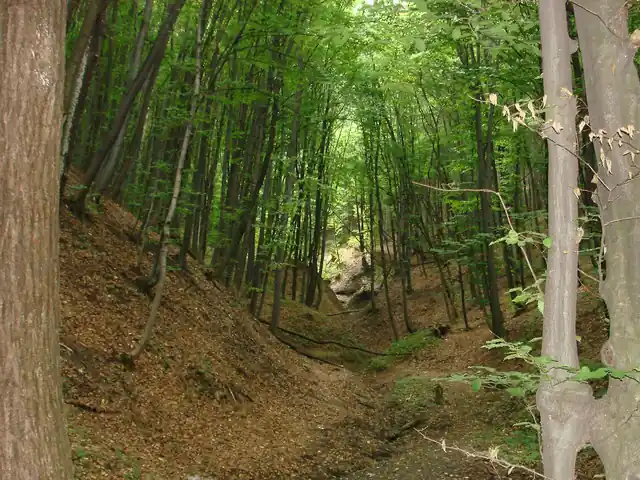
A convent from 1678 in a wooded valley at the springs of the Cogâlnic
47.0792° N · 28.3219° E59 km from Chișinău
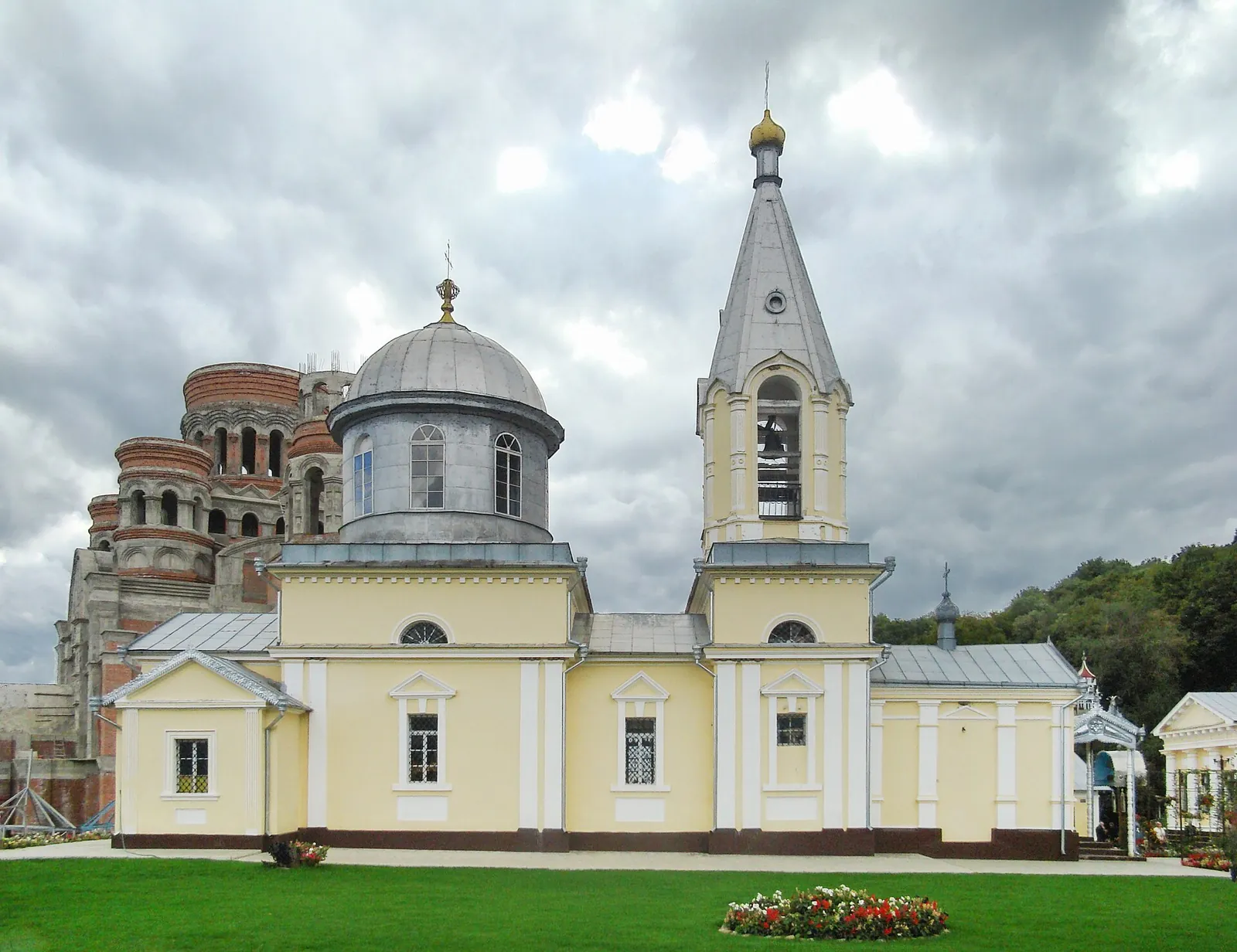
Photo: Joergsam, CC BY-SA 3.0, via Wikimedia Commons
Mănăstirea Hîncu (also spelt Hâncu) is a convent in the forests of Nisporeni district, founded in 1678 by the boyar Mihalcea Hâncu after his daughter chose the monastic life. It lies at the bottom of a wooded valley by the springs of the Cogâlnic river. After a Soviet period as a sanatorium, it has been a convent again since 1992.
What you see
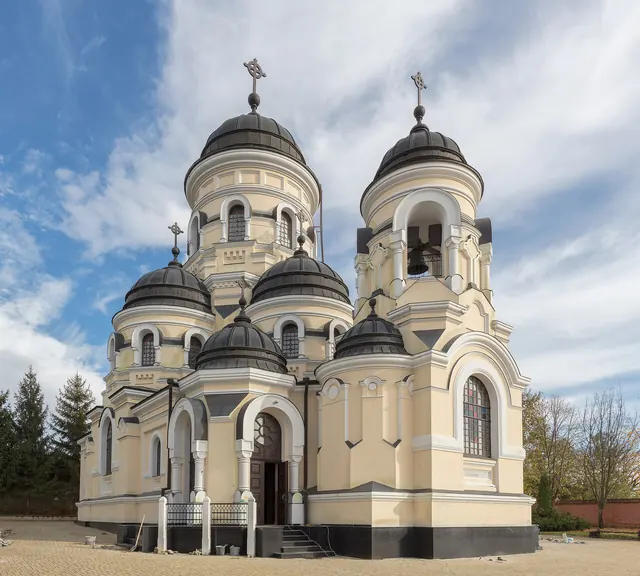
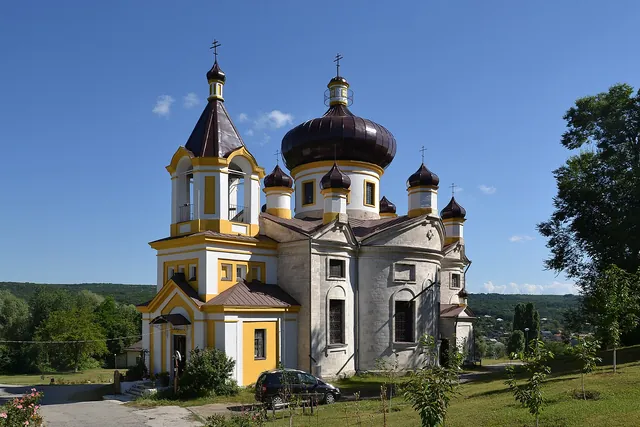
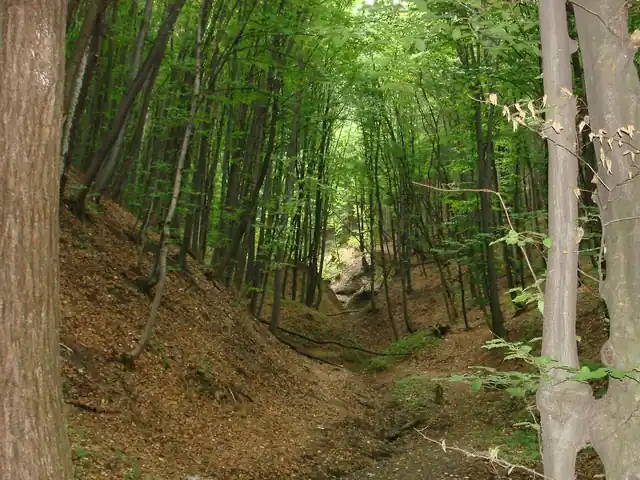
The monastery lies near the village of Bursuc, in a green hollow between wooded hills. According to moldova.travel, this is where the Cogâlnic rises, and the springs in the valley are part of the experience of a visit. There are two stone churches: one dedicated to Saint Parascheva, from 1835, and a Church of the Dormition of the Mother of God from 1845. They replaced an older wooden church.
The complex is also the residence of the local bishop and has a guesthouse for retreats. Anyone who stays longer will notice how the daily rhythm is set by the services and the work of the nuns.
History
Mihalcea Hâncu was a high-ranking boyar at the Moldavian court. Tradition has it that his daughter preferred to become a nun rather than marry one of his allies; he founded the monastery for her in 1678. It began as a community of women but disappeared in the mid-18th century because of raids by the Crimean Tatars. After the arrival of the Russian army in 1770-1772, monks restored it as a monastery for men.
In 1944 the monastery was nationalised, and in 1965 the community was dissolved. From 1978 the buildings served as a sanatorium and the oldest church as a club. Monks were the first to return, in 1990; since 1992 Hîncu has been a convent again, with a large community today.
Tips for your visit
Hîncu is about an hour's drive west of Chișinău and makes a peaceful half day out in nature. The sloping grounds and the forest paths around the monastery invite a short walk; wear shoes that can cope with a bit of mud.
On Sundays and church feast days many visitors come from the surrounding area. Respect the calm of a working convent: speak quietly, ask permission before photographing people and follow the dress rules. If you want to explore the region further, combine Hîncu with Căpriana Monastery, on the other side of the Codri forests.
Highlights
- Churches of Saint Parascheva (1835) and the Dormition (1845)
- Springs of the Cogâlnic in the monastery valley
- Working convent with a retreat house
- Forest paths in the Codri of Nisporeni