Mănăstirea Japca
Japca Monastery
The only monastery in Bessarabia that came through the Soviet era without closing
47.9881° N · 28.7111° E137 km from Chișinău
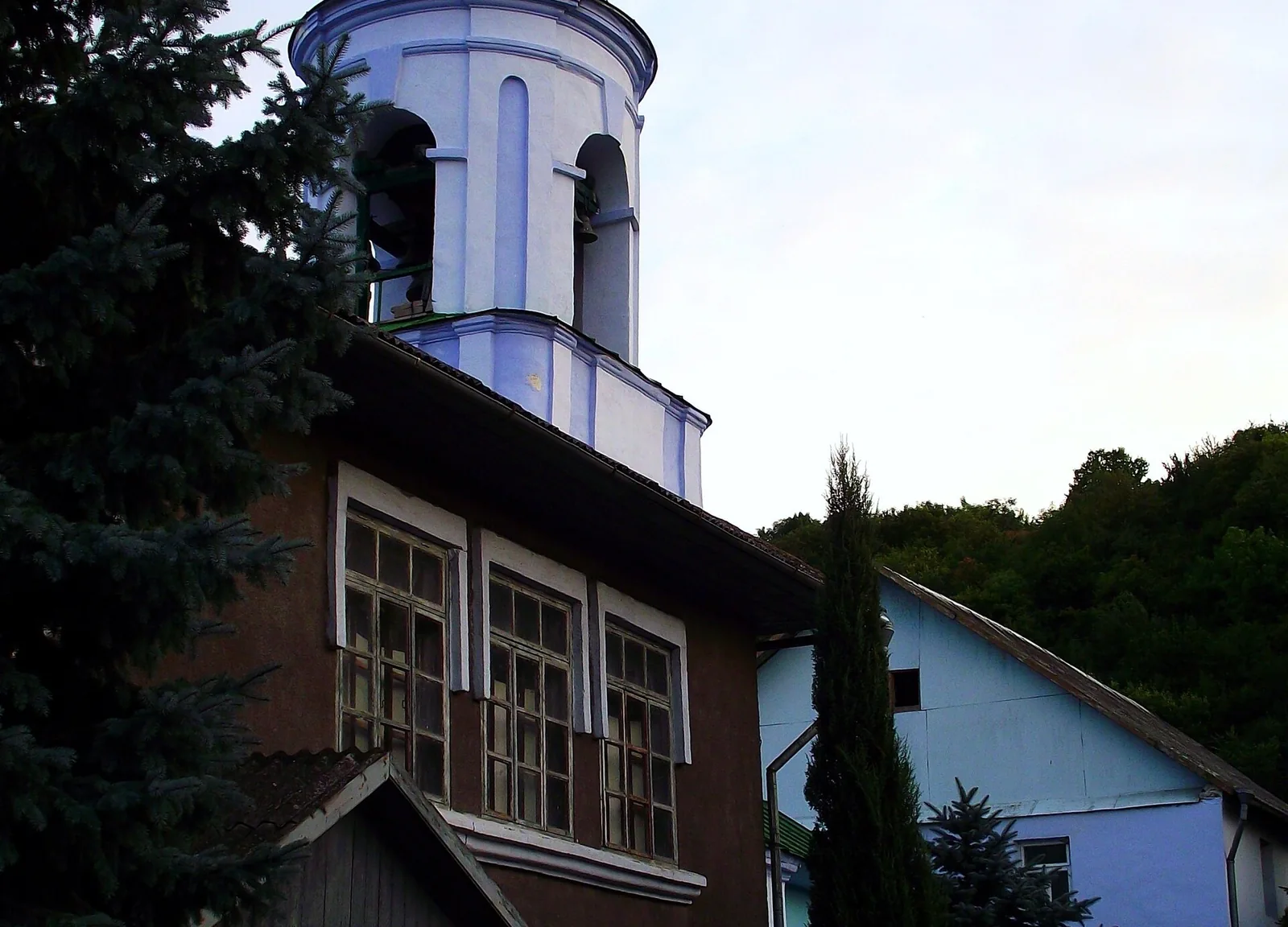
Photo: Анатолий Зубанюк, CC BY 3.0, via Wikimedia Commons
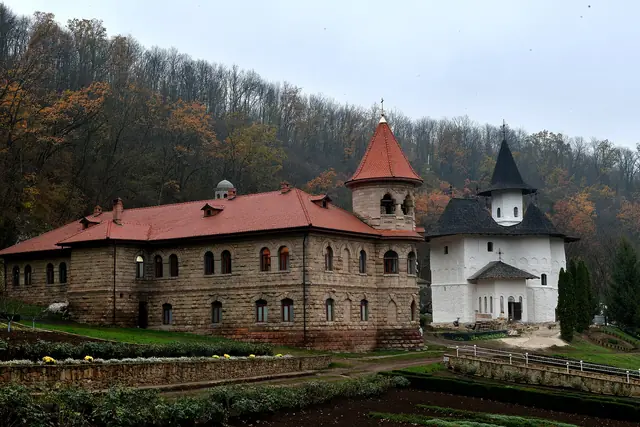
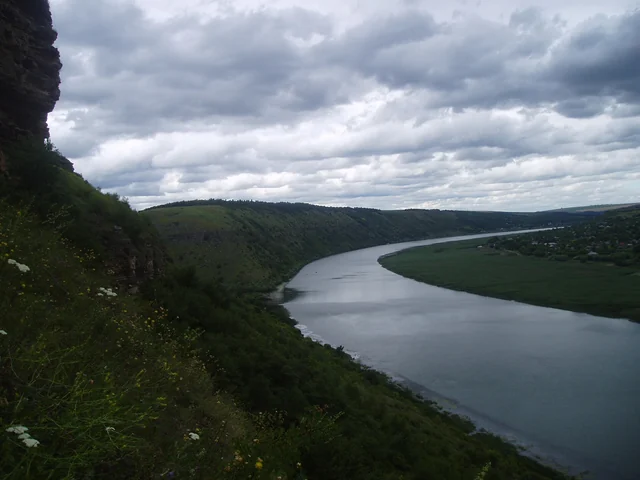
Mănăstirea Japca is a convent on a rocky bank of the Dniester in Florești district, which began as a cave hermitage in the 17th century. It is regarded as the only monastery in Bessarabia that stayed open throughout the Soviet period. The community still lives there without electricity, with services in Church Slavonic.
What you see
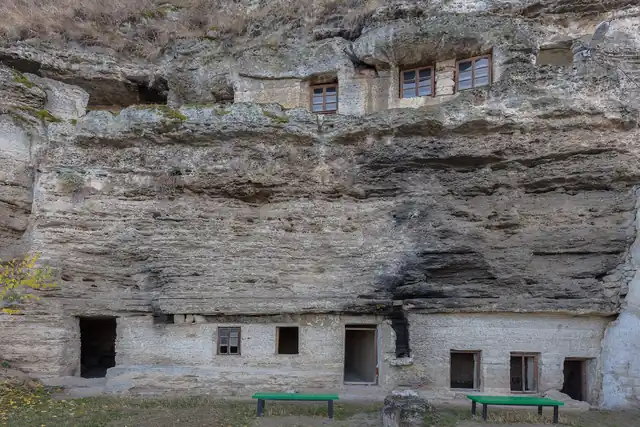
Japca sits on a steep right bank of the Dniester, about 10 kilometres from Camenca, which lies on the opposite bank. The complex includes stone churches, monastic cells, a rock church in the cliff and springs that pilgrims believe have healing powers. The stone Church of the Ascension was built in 1825 by the local landowner Constantin Stati; a church of the Archangel Michael followed in 1949, in the middle of the Soviet period. The main church has been rebuilt several times and has three altars.
The rock church, which moldova.travel calls the hermitage on the rock, looks out over the river. According to tradition, this is where the first monks lived before there was a monastery.
History
Exactly how Japca came into being is unclear. One legend attributes the first rock church to a monk called Ezekiel at the end of the 17th century, another to a monk called Theodosius. The national tourism portal speaks of a 17th-century cave hermitage that was granted monastery status in 1818 on the initiative of Metropolitan Gavriil Bănulescu-Bodoni.
What makes Japca special in Moldovan history is the 20th century. While the Soviet authorities closed almost every monastery and turned them into hospitals, storehouses or clubs, Japca stayed open. Monastic life carried on without interruption, with a strict rhythm that can still be seen today: no electricity, no meat, services in Church Slavonic. In 1996 the monastery appeared on a Moldovan postage stamp.
Tips for your visit
Japca is a long way from the capital, more than 130 kilometres by road, and is best combined with a stay in the north. Soroca is about 60 kilometres further on. Bear in mind that this is a closed, traditional community: visitors are welcome, but the nuns expect modest dress and behaviour.
Do not photograph the nuns without permission. The springs and the view over the Dniester from the rock church are the quietest spots in the complex, especially early in the morning.
Highlights
- The only monastery in Bessarabia to come through the Soviet era without closing
- Rock church in the cliff above the Dniester
- Church of the Ascension from 1825
- A community without electricity, with services in Church Slavonic