Valea Nistrului
Dniester valley
Limestone cliffs, cave monasteries and fortresses along the great river in the east
47.6000° N · 28.9500° E154 km from Chișinău
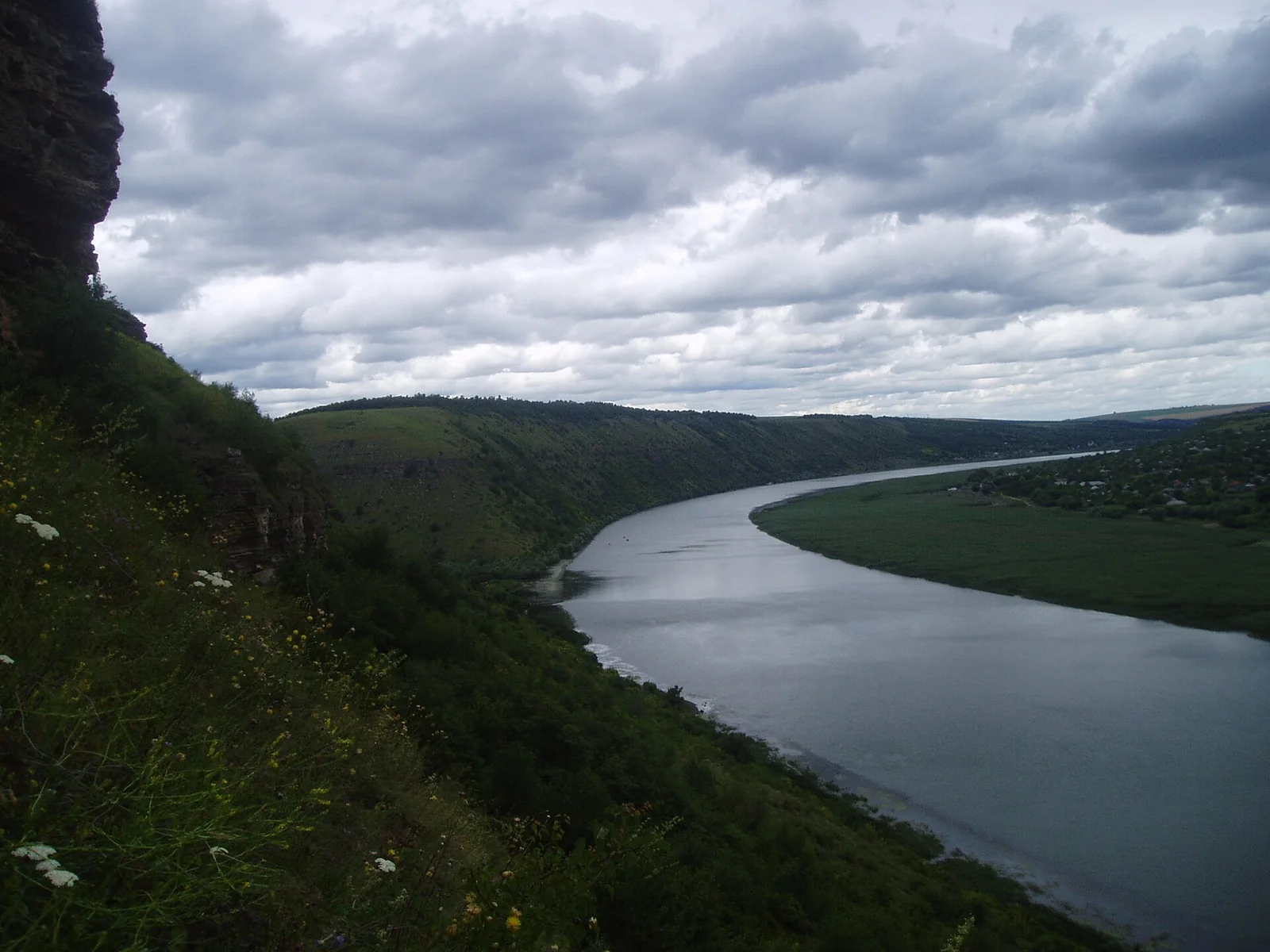
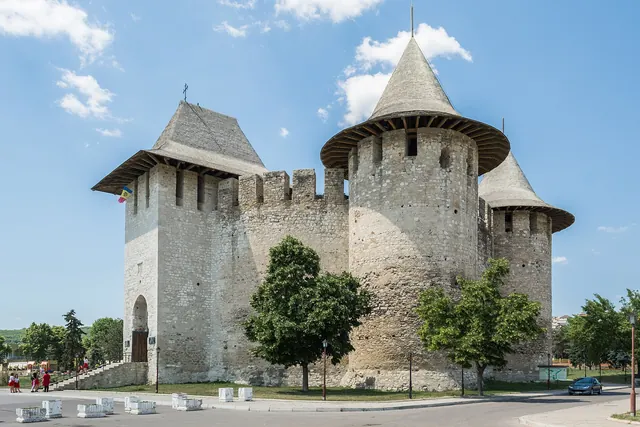
Photo: Guttorm Flatabø from Leikanger, Norway, CC BY 2.0, via Wikimedia Commons
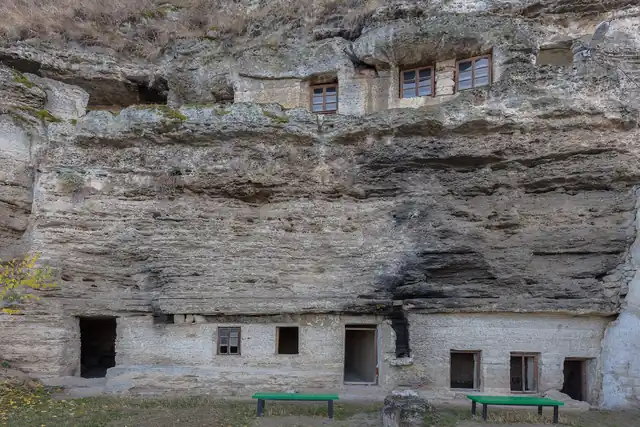
Photo: Анатолий Зубанюк, CC BY 3.0, via Wikimedia Commons
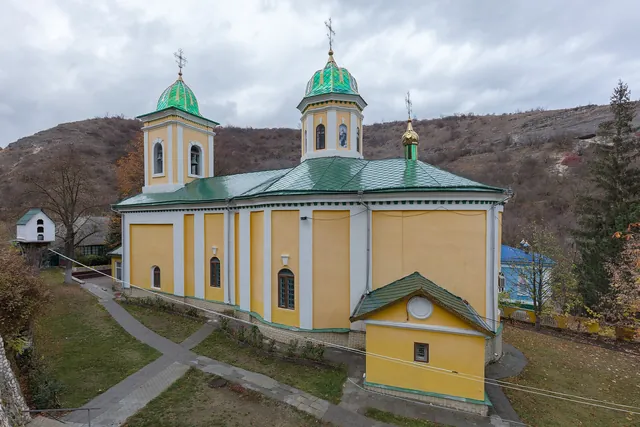
Photo: Анатолий Зубанюк, CC BY 3.0, via Wikimedia Commons
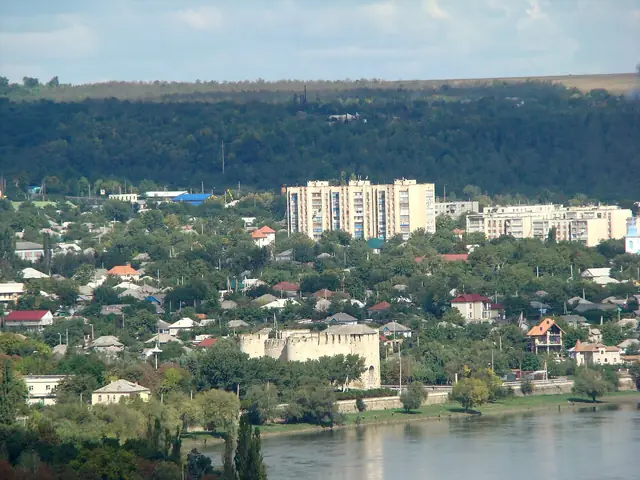
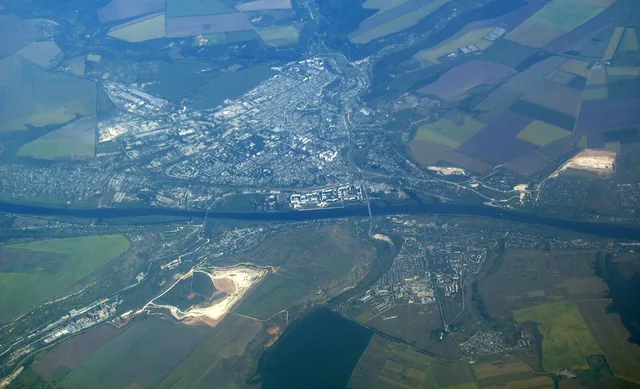
At 1,362 km the Dniester (Nistru) is Moldova's longest river, flowing for hundreds of kilometres through the east of the country. Along the Moldovan bank lie some of the country's finest places: the Soroca fortress, the cave monasteries of Țipova and Saharna and Japca Monastery.
Why go
The Dniester has cut deep into the limestone plateau of eastern Moldova. As a result, steep cliffs, wooded slopes and wide meanders alternate, with monasteries carved into the rock face. If you want to combine nature, history and religious heritage, this is the richest route in the country.
History and character
The river rises in the Ukrainian Carpathians and flows through an estuary (liman) into the Black Sea. For centuries it was the eastern border of the Principality of Moldavia; fortresses such as Soroca and Tighina guarded the crossings. In the nineteenth century it separated Russian Bessarabia from Podolia and Kherson. Today much of the left bank is under Transnistrian administration, with towns such as Rîbnița, Dubăsari and Tiraspol. In the north the river forms the border with Ukraine. At Dubăsari a dam holds back a long reservoir, and the Dniester also supplies much of Chișinău's drinking water.
What to see and do
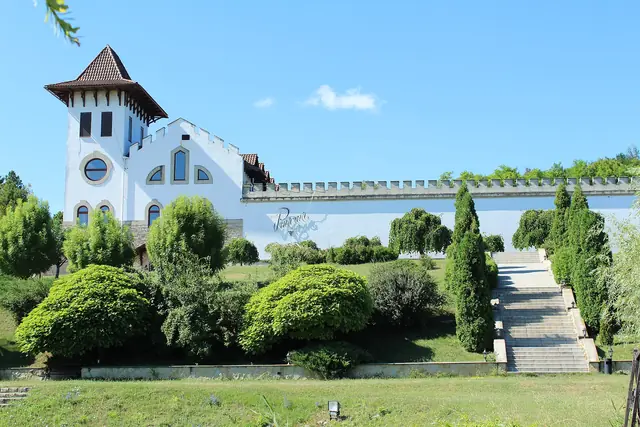
From north to south: Călărășeuca Monastery, the Soroca fortress and the nearby hermitage (schit) of Cosăuți, Japca Monastery, and further on Rezina with the Saharna gorge and the Țipova cave monastery. At Vadul lui Vodă, half an hour from Chișinău, the river is lined with beaches and summer terraces. Downstream, in the south-east, lie the vineyards of the Ștefan Vodă PGI, including Purcari. There, south of Tiraspol and Bender, the river once again flows through territory under Moldovan administration, with floodplains, swamp forests and old river arms rich in birds all the way to the Ukrainian border.
Walking along the cliffs, birdwatching and kayaking are among the options; ask locally about hire and guides.
Eating, drinking and sleeping
In Soroca and Rezina you will find hotels and simple restaurants; in the riverside villages pensiuni offer rooms and home-cooked meals, often with fish. At Vadul lui Vodă there are holiday parks and waterside restaurants.
Practical information and tips
The Moldovan bank is best followed by car, in stages: the north from Soroca, the middle section from Rezina or Orhei. Bridges and roads to the left bank often lead into Transnistria; in 2026 the Belgian travel advice strongly advises against all travel there. So check your route in advance.
Highlights
- A river 1,362 km long
- Soroca fortress
- Cave monasteries of Țipova and Saharna
- Beaches and terraces at Vadul lui Vodă