Rezina
Limestone town on the Dniester and starting point for Saharna and Țipova
47.7489° N · 28.9566° E97 km from Chișinău
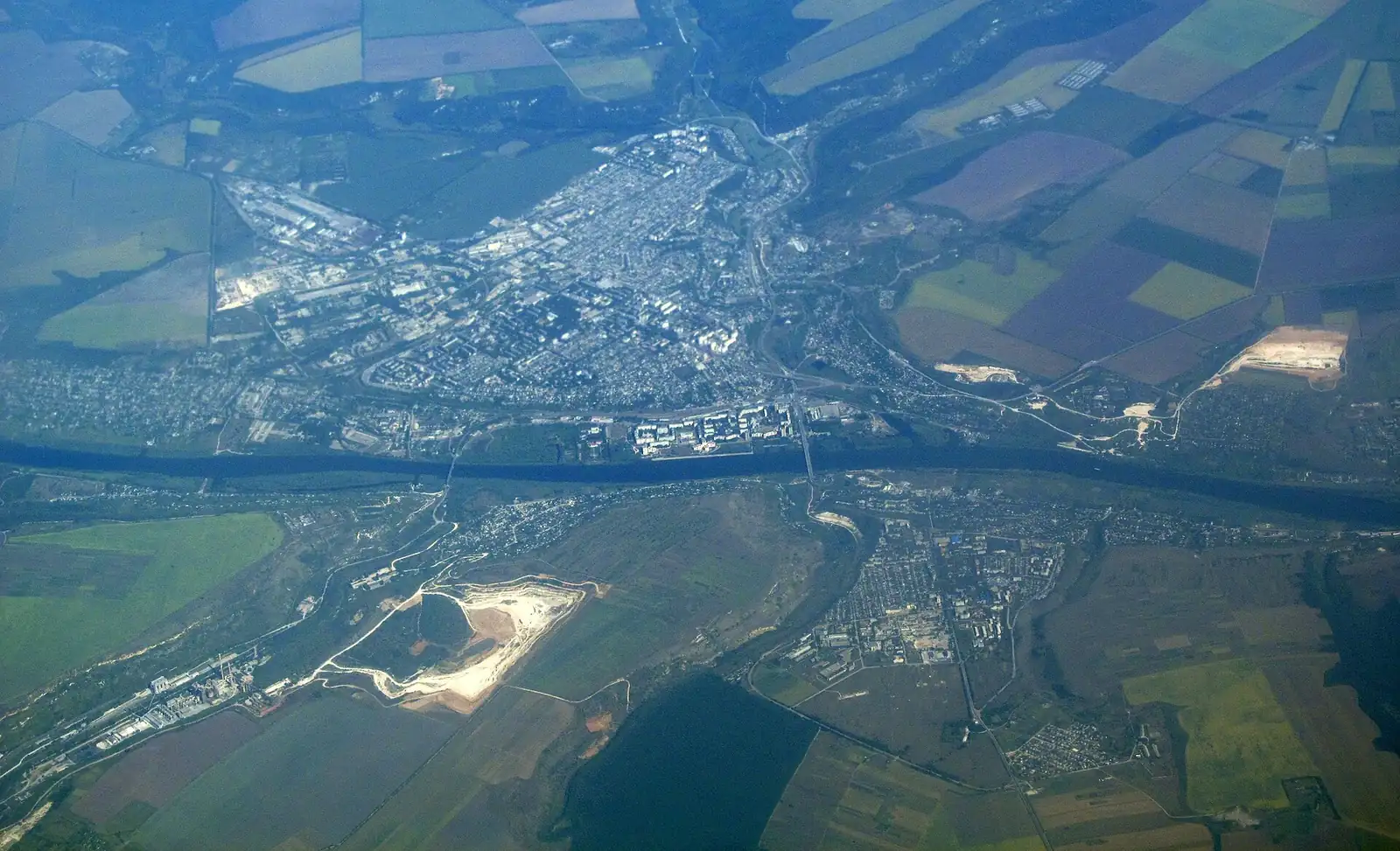
Photo: My_another_account (talk) (Uploads), CC0, via Wikimedia Commons
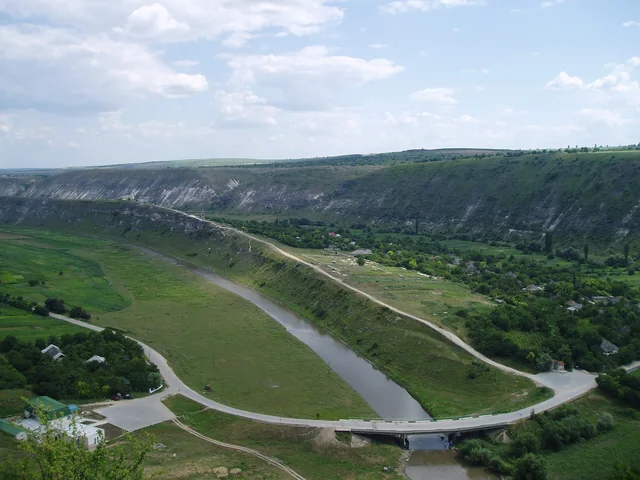
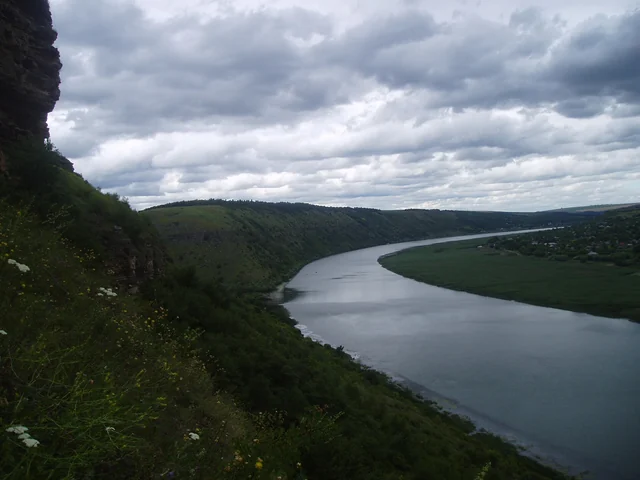
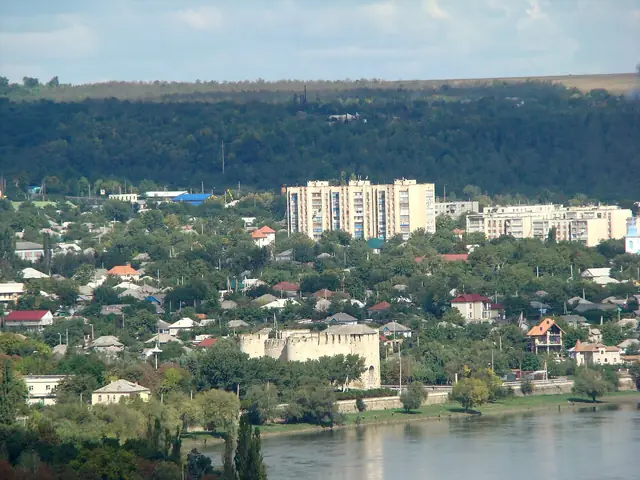
Rezina is a small district town on the right bank of the Dniester (Nistru), directly opposite Rîbnița, which is under Transnistrian administration. For visitors it is above all the base for the cave monasteries and ravines of Saharna and Țipova, two nature reserves downstream from the town.
Why go
Rezina itself will not keep you busy for days, but its location makes it interesting. It sits on the steep limestone banks of the Dniester, and two of Moldova's most visited nature and monastery sites lie nearby: the Saharna reserve (670 ha) and the Țipova reserve (430 ha). If you combine the two in one day, you will almost certainly drive through Rezina.
History and character
The village of Rizina first appears in a charter of Ștefan cel Mare dated 5 February 1495. Around 1700 there was a monastery here, Răzana, which was dissolved after the Russian annexation of Bessarabia; its church now features on the town's coat of arms. In the nineteenth century Rezina grew into a market town with a large Jewish community: at the 1930 census almost two thirds of its 4,590 inhabitants were Jewish. An iron railway bridge across the river linked the town to the Bălți-Rîbnița line.
After 1940 Rezina became a district capital, and industry took off from the 1970s. The Lafarge cement works is still the best-known employer. At the 2024 census the town had 7,586 inhabitants, compared with more than 10,000 in 2004.
What to see and do
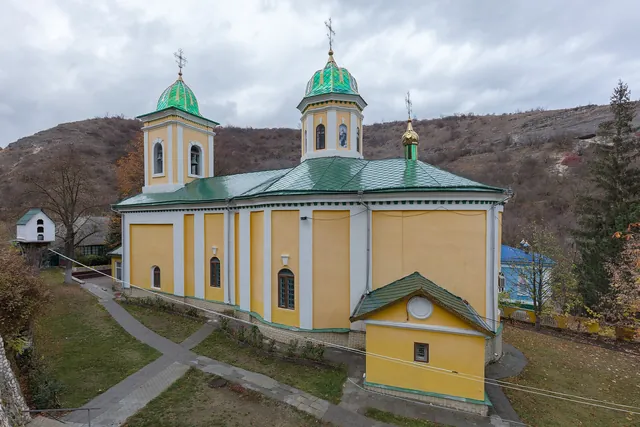
In the town itself the main monument is the stone Church of the Dormition of the Mother of God, dating from 1859. Walk down to the riverbank too: on the far side lies Rîbnița, with its Soviet blocks of flats and the chimneys of the steelworks.
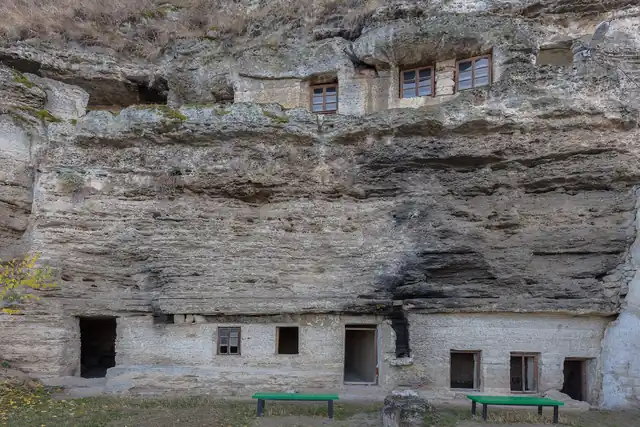
South of the town begins the Saharna reserve, a gorge with waterfalls, a monastery complex and cells carved into the limestone. Archaeologists have found fortified Iron Age settlements in the area. Further downstream is Țipova, where a cave monastery has been hewn high in the cliff above the river. Both places call for a sturdy walk.
Eating, drinking and sleeping
The choice is modest: a few simple places to eat in the centre and, in the villages around Saharna and Țipova, guesthouses (pensiuni) that serve home-cooked meals. For more choice, stay overnight in Orhei or return to Chișinău.
Practical information and tips
Rezina lies about 97 km from Chișinău, via Orhei. Buses and minibuses run daily, but for the reserves a car or an organised day trip is much more convenient. Wear sturdy shoes: the paths at Saharna and Țipova are steep and slippery after rain. The monasteries expect covered shoulders and knees, and a headscarf for women. Rîbnița on the opposite bank is under Transnistrian administration; in 2026 the Belgian travel advice strongly advises against all travel to Transnistria.
Highlights
- Charter of Ștefan cel Mare from 1495
- Views across the Dniester to Rîbnița
- Saharna gorge and monastery
- Țipova cave monastery