Drochia
Railway and sugar town in the north, named after the great bustard
48.0318° N · 27.8157° E175 km from Chișinău
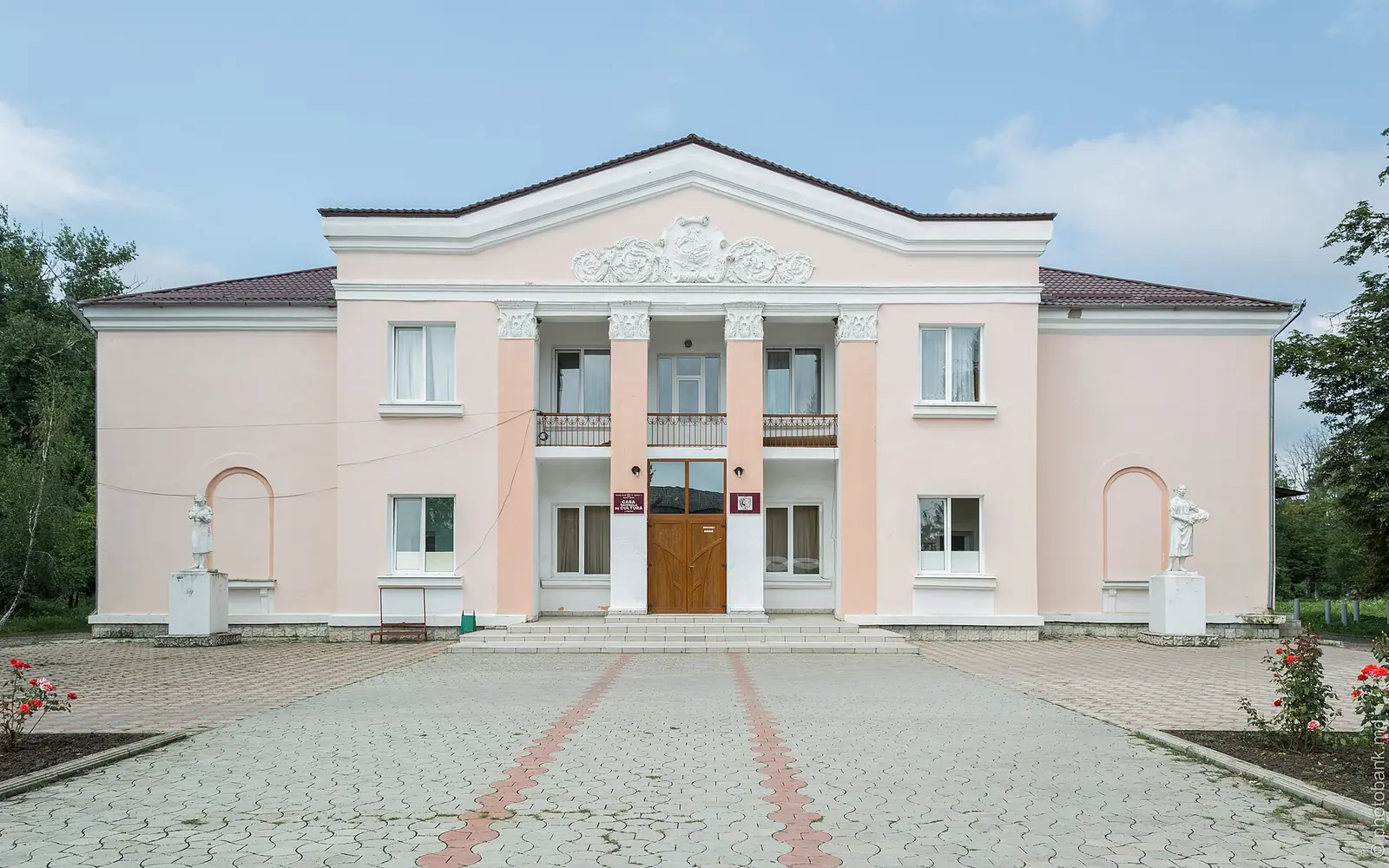
Photo: Photobank MD from Chisinau, Moldova, CC0, via Wikimedia Commons
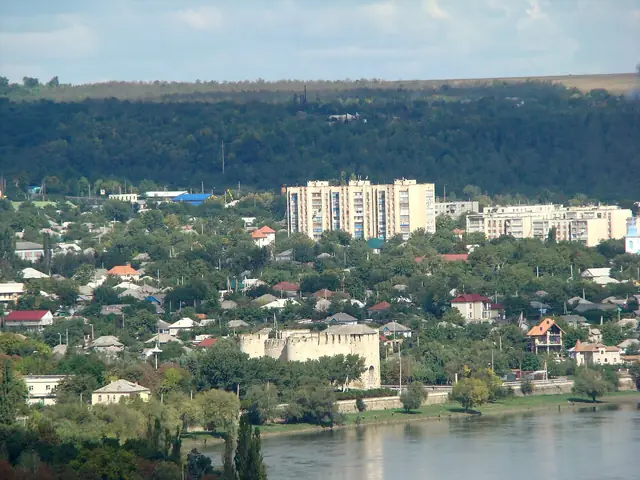
Drochia is a district town of about 12,900 inhabitants (2024 census) in northern Moldova, between Bălți and Soroca. It grew up in 1895 around a station on the Bălți-Ocnița railway and became an industrial town in the 1950s around a large sugar factory. The name refers to the dropie, the great bustard, a steppe bird that once lived here.
Why go
Drochia is a typical Soviet town in the farming country of the north: young, planned and built around a station and a factory. If you drive from Bălți to Soroca or Edineț, you pass through it. It is not a destination in itself, but a place to see post-war Moldova and to take a break on a tour of the north.
History and character
The town came into being in 1895, when the Bălți-Slobozia-Ocnița railway was completed; the station took the name of the nearest village, Drochia. That name comes from the dropie, the great bustard, which used to breed on the steppe and still features on the (not officially registered) coat of arms. At the Romanian census of 1930, 595 people lived around the station, among them Romanians, Russians, Ukrainians and a Jewish community.
The big leap came after the war. In 1954 the station and the hamlet of the same name merged into one settlement, and between 1954 and 1957 a large sugar factory went up. A workers' town with schools, a house of culture and apartment blocks grew around it. By 1970 Drochia already had 11,200 inhabitants; in 1975 it became a town, according to local historians the two-thousandth in the Soviet Union.
What to see and do
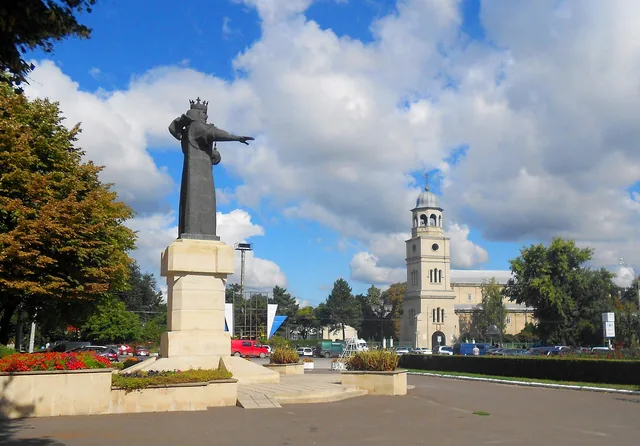
- The Adormirea Maicii Domnului Cathedral, on high ground at one of the entrances to the town, painted by the Romanian artist Petre Achițenie.
- The monument to Mihai Eminescu by the lyceum that bears his name.
- The bust of Ștefan cel Mare in front of the district council.
- Poienița Însorită park, a protected monument of landscape architecture, 3 kilometres south-west of the town.
Eating, drinking and sleeping
Drochia has simple restaurants, cafés and a market where farmers from the surrounding villages sell their produce. For an overnight stay, Bălți or Soroca are better equipped, with more choice of hotels and restaurants. The area lives mainly from sugar beet and grain.
Practical information and tips
Drochia lies about 175 kilometres north of Chișinău, roughly two and three quarter hours' drive via Bălți. Buses leave from Gara de Nord. Soroca is about 45 kilometres away, so you can combine both in one day. Drochia is on the railway between Bălți and Ocnița; check in advance whether any passenger trains run that fit your plans.
Highlights
- Founded in 1895 around the railway station
- Sugar factory from 1954-1957
- Cathedral painted by Petre Achițenie
- Poienița Însorită landscape park
- About 45 km from Soroca