Bălți
Moldova's second city, the multilingual centre of the northern steppe
47.7624° N · 27.9286° E136 km from Chișinău
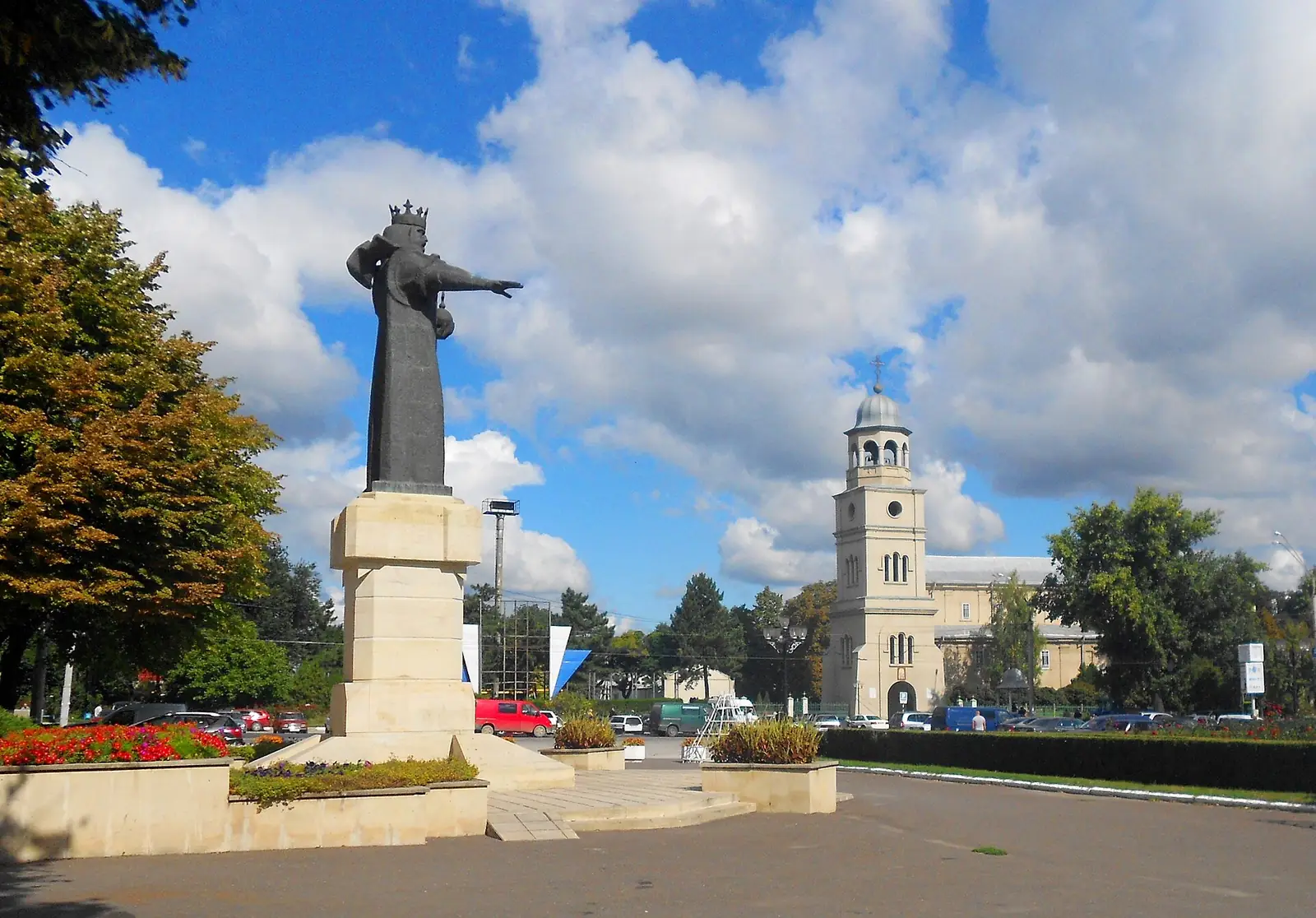
Photo: Avereanu, CC BY-SA 3.0, via Wikimedia Commons
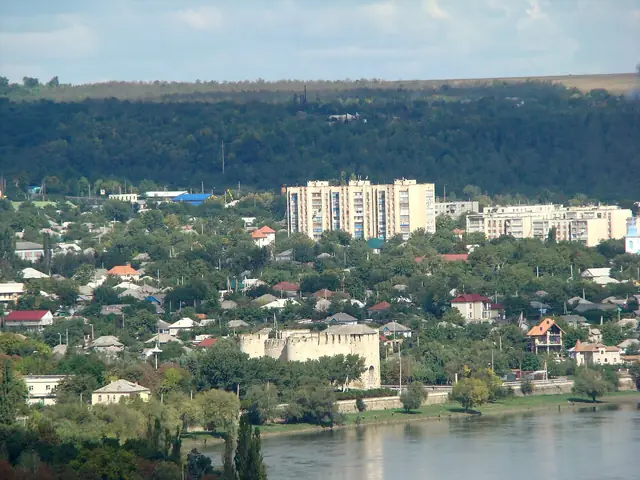
With about 91,000 inhabitants (2024 census), Bălți is Moldova's second city and the economic centre of the north, on the river Răut. In Moldova it is often called the "capital of the north". It is a working, multilingual city where you hear Romanian, Russian and Ukrainian in the street, and a practical stopover on the way to Soroca or the Prut.
Why go
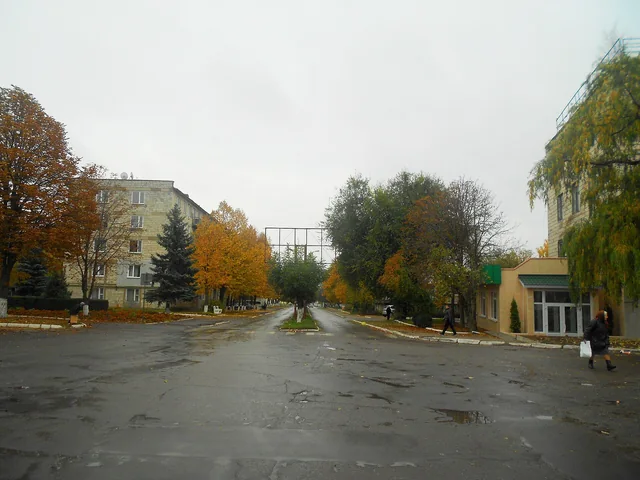
Bălți is not a classic tourist town, and that is exactly why it is worth a short stop. Here you see how a Moldovan provincial city works: a large central square, Soviet apartment blocks, churches of different communities and markets serving the surrounding farmland. If you are exploring the north of the country, you will pass through almost automatically. It is also a good place to fill up the tank, withdraw cash and break the drive to the Prut or the Dniester.
History and character
The city lies in a hollow on the Răut, a tributary of the Dniester; its name refers to the marshy pools (bălți) that were once found here. Bălți grew into a market town for the fertile north and got a railway line in the Russian period. Today it has two stations, Bălți-Oraș and Bălți-Slobozia.
The population is mixed: alongside Moldovans there are sizeable Ukrainian and Russian communities, and most residents switch effortlessly between Romanian and Russian. The economy runs on food processing (sugar, wine, flour, meat), farm machinery and building materials.
What to see and do
- The Orthodox Cathedral of Saints Constantine and Helena, a neo-Byzantine building from the 1930s.
- The Vasile Alecsandri National Theatre, the main cultural venue of the north.
- The Armenian Church of Saint Gregory (1916) and Saint Nicholas Church (1795), reminders of older communities.
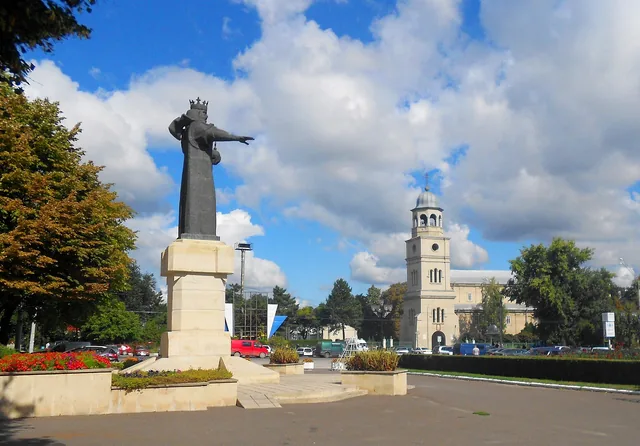
- The statue of Ștefan cel Mare (2003) and the spacious central square.
Eating, drinking and sleeping
What is on offer is functional: cafés and restaurants around the centre, a large market and a few business hotels. At the market you see what the north produces, from dairy and meat to vegetables and fruit. For an evening with a wider choice of restaurants and wine bars, Chișinău remains the better base, but a night in Bălți shortens the drives to the northern sights.
Practical information and tips
Bălți lies about 136 kilometres north of Chișinău, a drive of roughly two hours. Buses and minibuses (maxi-taxis) leave from Gara de Nord bus station in Chișinău. Combine the city with the Butești gorge, the hills of "O sută de movile" or the Pădurea Domnească reserve on the Prut; Soroca and Drochia are roughly an hour's drive away. A few hours are enough for the city itself: start on the central square, walk past the cathedral and the theatre and finish at the market.
Highlights
- Cathedral of Saints Constantine and Helena
- Vasile Alecsandri National Theatre
- Armenian Church of Saint Gregory (1916)
- Multilingual market town of the north
- Base for Butești and the Prut reserves