Cheile Butești
Butești gorge
A gorge of almost two kilometres cut through a fossil reef from a vanished tropical sea
47.7969° N · 27.3371° E191 km from Chișinău
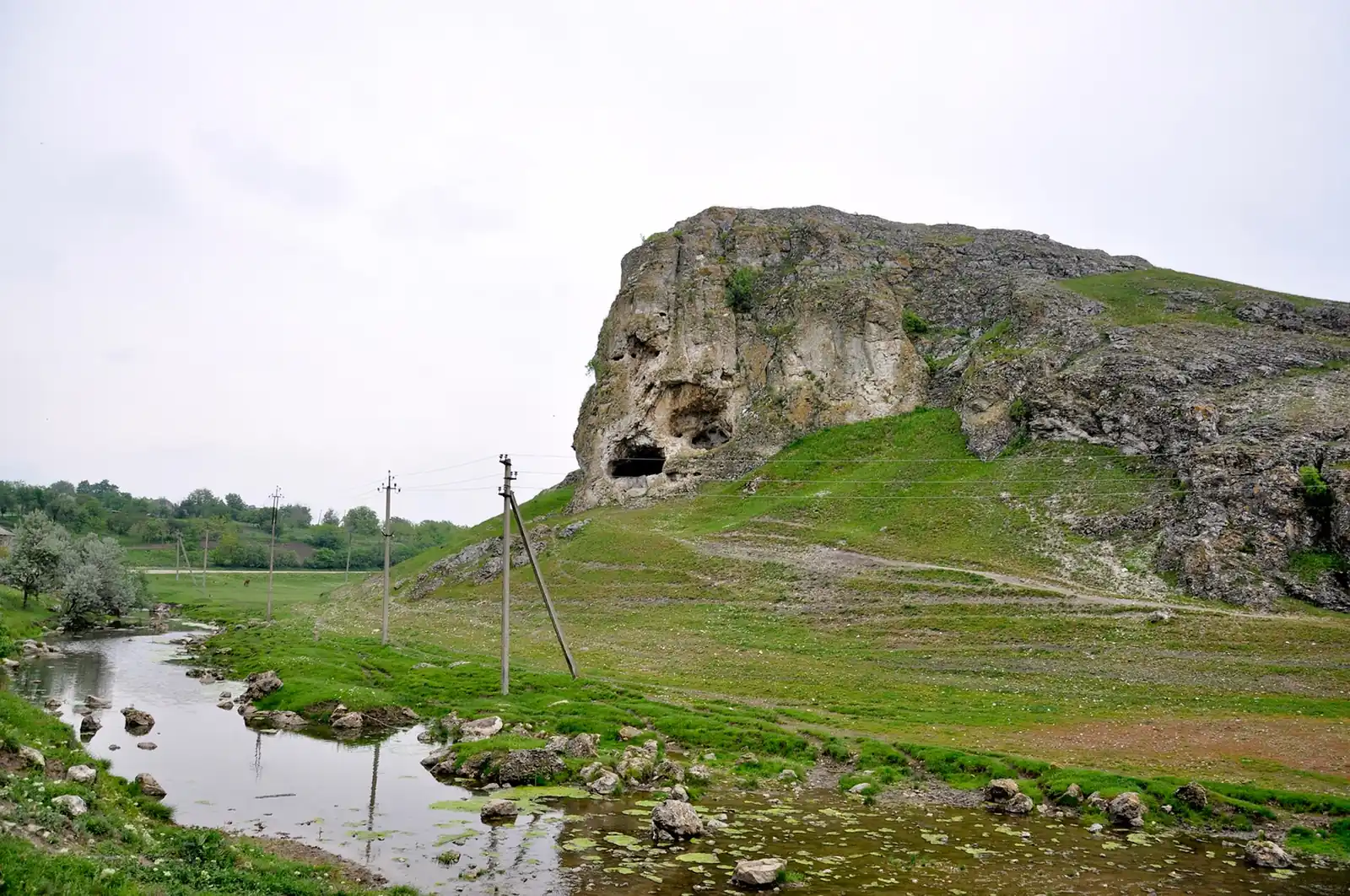
Photo: Denis Polovnicov, CC BY-SA 4.0, via Wikimedia Commons
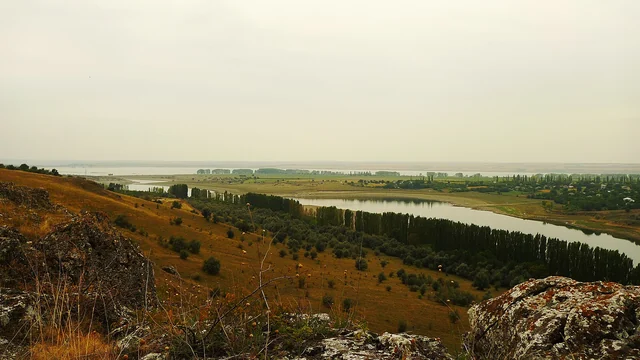
Cheile Butești is a gorge almost two kilometres long, carved by the river Camenca into a fossil limestone reef near the village of Butești in Glodeni district. The rock walls are 40 to 50 metres high and are made up of the remains of corals, shells and algae from seas of 15 to 20 million years ago. The area is protected as a geological and palaeontological natural monument.
What you see
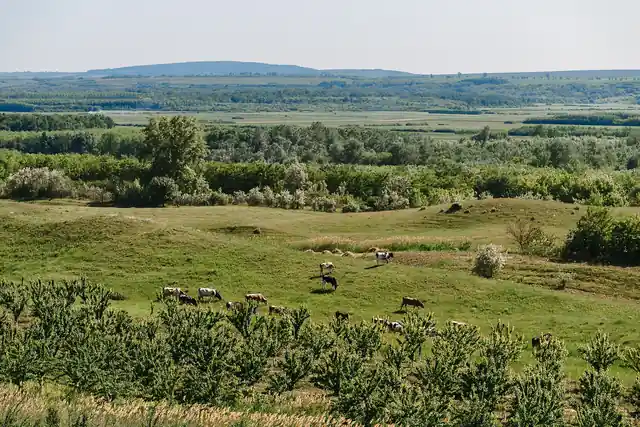
South-east of Butești, the Camenca and its small tributary the Camencuța flow around three sides of a limestone ridge. The result is a gorge roughly 1.8 to just over 2 kilometres long and 50 to 125 metres wide, with walls 40 to 50 metres high. The protected area covers about 100 hectares. From one angle the tallest rock has the profile of an elephant; on its summit, which the villagers call vârful Țiglăului, stand three crosses.
On the north side, at the foot of the highest cliff, a cave runs about nine metres into the rock. There are other small hollows that have never been properly explored. More than 120 plant species grow on the slopes, some of them listed in Moldova's Red Book.
Nature and history
The reef belongs to the chain of limestone reefs, the toltre, along the middle Prut. It grew in two phases, in warm seas that lay over this part of Europe 15 to 20 million years ago. The lower layers consist mainly of corals, foraminifera, bryozoans, algae and shells. Look closely and you will spot fossils of sea urchins, crabs and shellfish in the rock; rarer are imprints of fish and remains of seals and dolphins.
People came here early on. Traces of habitation have been found in the cave, which some researchers date to the Neolithic and others even earlier, to the Palaeolithic or Mesolithic. Local stories tell of a chest of Turkish gold supposedly found in the rock and of a battle under Ștefan cel Mare, but there is no evidence for either.
Tips for your visit
The gorge is about 190 kilometres from Chișinău and just under an hour's drive from Bălți. It is part of a tourist route along the Prut toltre and combines well with O sută de movile and the Pădurea Domnească reserve. There are no facilities on site: bring water and wear shoes with good grip, as limestone gets slippery after rain. Stay away from the cliff edges. Spring and early autumn are the most pleasant times; in July and August the open valley gets hot.
Highlights
- Rock walls 40 to 50 m high
- Fossils from a reef 15 to 20 million years old
- Cave with traces of prehistoric habitation
- Elephant-shaped rock topped by three crosses