Valea Prutului
Prut valley
Border river with Romania, with floodplains, reservoirs and lakes full of birds
46.9000° N · 28.0500° E105 km from Chișinău
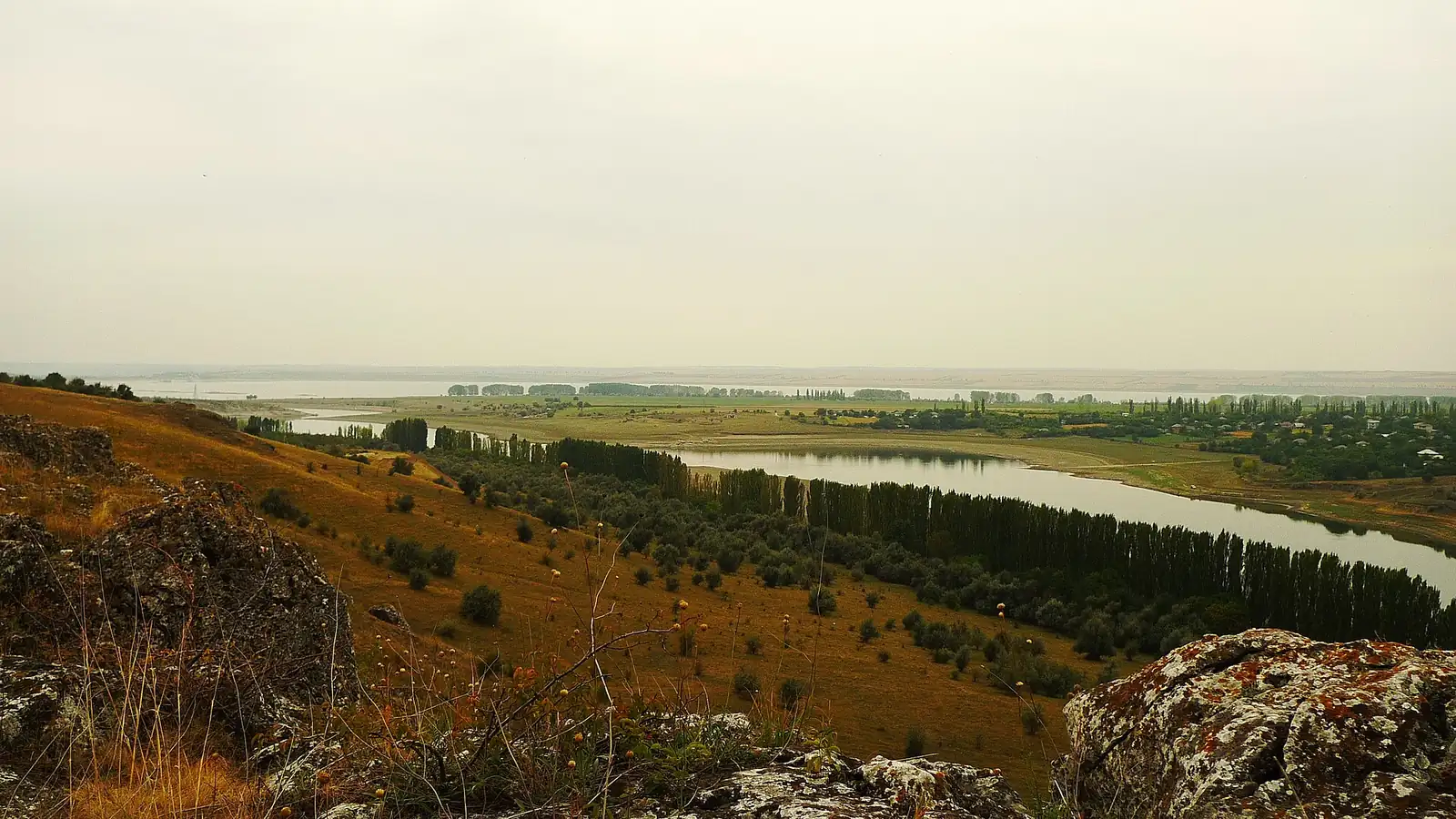
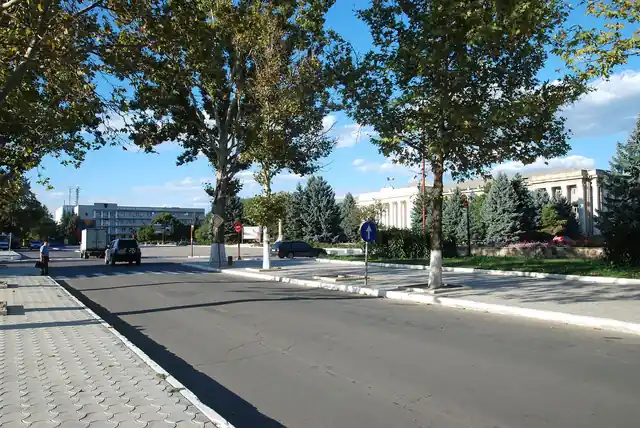
Photo: Asdfsdscv, CC BY-SA 4.0, via Wikimedia Commons
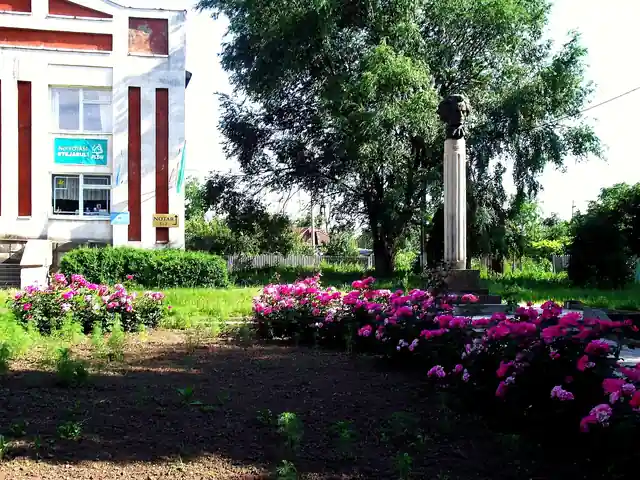
Photo: Cezar Suceveanu, CC BY 3.0, via Wikimedia Commons
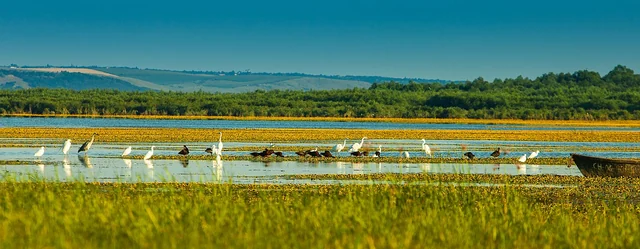
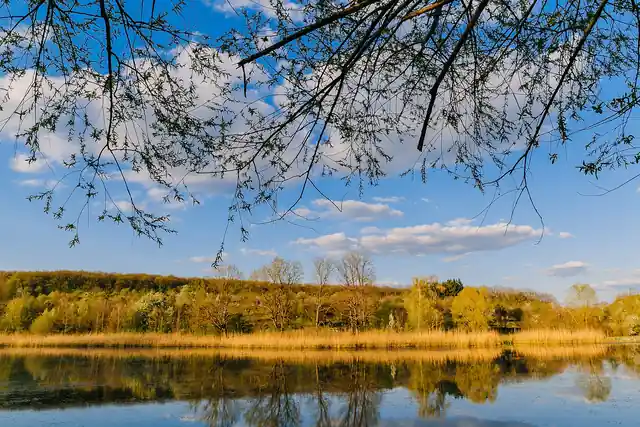
Along its entire Moldovan course the Prut forms the border with Romania, from the north to its mouth on the Danube at Giurgiulești. The valley is rural and green, with floodplains, the Stânca-Costești reservoir and, in the south, the Prutul de Jos reserve with its rich birdlife.
Why go
The Prut is the river of western, rural Moldova. There are no large towns on its banks, but there are floodplains, riverside woods, fish ponds and small border villages. If you are looking for peace and quiet, want to watch birds or arrive by train from Romania, sooner or later you will get to know this valley.
History and character
The Prut rises in the Ukrainian Carpathians and is 953 km long. It flows into the Danube at Galați and Giurgiulești. Since the Russian annexation of Bessarabia in 1812 the river has repeatedly served as a border: between the Russian Empire and Moldavia, later between the Soviet Union and Romania, and since 1991 between the Republic of Moldova and Romania. Before that, the Prut was for centuries an inland river of the Principality of Moldavia, whose capitals, Suceava and later Iași, lay west of the river. Since 2007 it has also been an external border of the European Union. Of its 27,540 km² basin, 7,790 km² lies in Moldova.
What to see and do
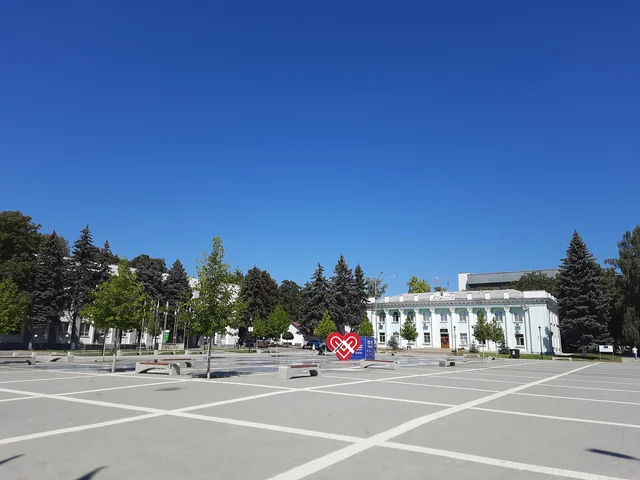
In the north lies the Stânca-Costești reservoir, managed jointly by Moldova and Romania. Further south come the forests of Pădurea Domnească and Plaiul Fagului, and Ungheni, with 26,500 inhabitants the largest Moldovan town on the Prut and an important road and rail border crossing. Because Moldova uses the broad gauge of the Soviet era and Romania standard gauge, the track gauge changes here. Leova was once a customs post; according to the description of the river, the Prut is navigable from the Danube up to there. In the south, the Prutul de Jos reserve protects a landscape of marshes and lakes rich in waterbirds. At the very bottom lies Giurgiulești, on the Danube.
Eating, drinking and sleeping
Ungheni and Cahul have hotels and restaurants. In the countryside, pensiuni and agritourism farms offer simple rooms, often with fish from the river or the ponds on the table.
Practical information and tips
Ungheni lies about 105 km from Chișinău and can be reached by train, bus and car. For the reserves and villages you need a car. Border rules apply along the river: stay on ordinary roads, follow the instructions of the border police and do not photograph border installations. Bring mosquito repellent in spring and summer. If you come by train from Iași, you enter the country via Ungheni.
Highlights
- A 953 km border river with Romania
- Stânca-Costești reservoir
- Prutul de Jos reserve
- Ungheni, the largest Moldovan town on the Prut