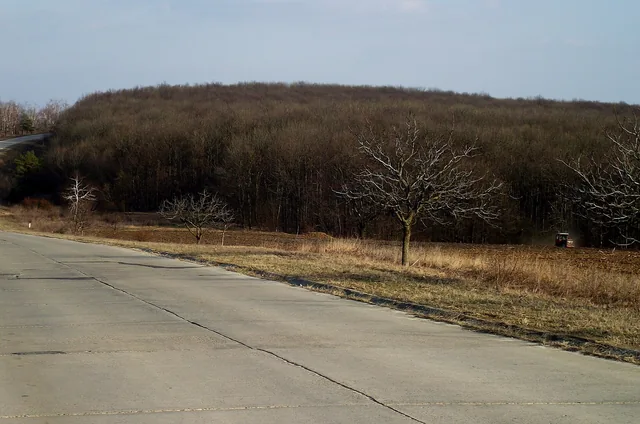
Ungheni
Border town on the Prut with a railway bridge designed by Gustave Eiffel
47.2060° N · 27.7990° E105 km from Chișinău
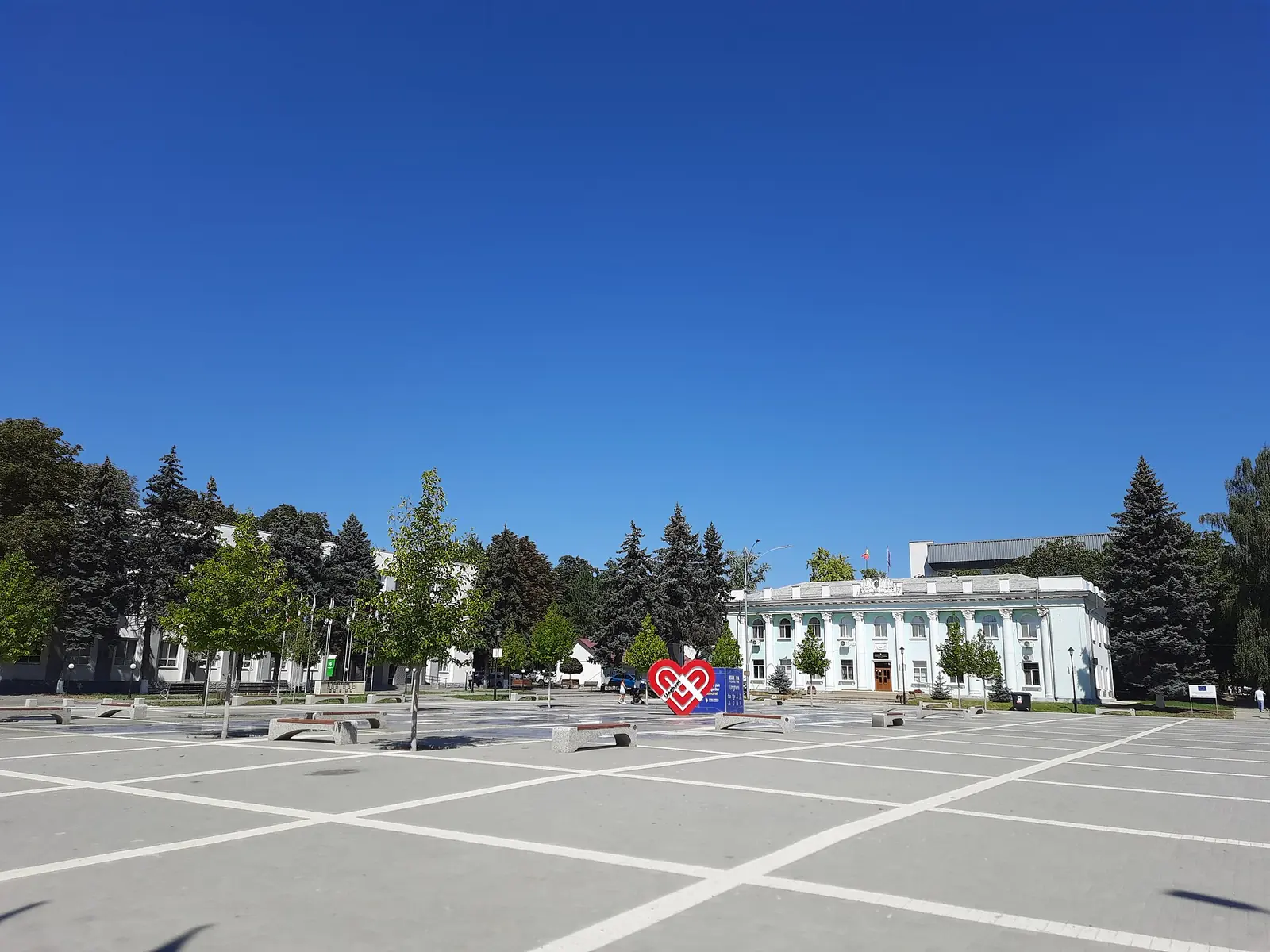
Photo: Gikü (talk), CC0, via Wikimedia Commons
Ungheni is a border town of about 26,500 inhabitants (2024 census) on the Prut, facing Romania. First mentioned in 1462, it grew into the main railway junction between Moldova and the European Union. Its best-known structure is the railway bridge over the Prut, redesigned by Gustave Eiffel after the floods of 1876.
Why go
Ungheni is where Moldova literally connects with Europe: road, railway and river cross the border with Romania here, close to the Romanian city of Iași. If you travel by train to or from Romania, you pass through the town and see its nineteenth-century railway heritage still at work. The district is also home to the Plaiul Fagului forest reserve, named after the beeches (fag) that grow there.
History and character
The first mention dates from 20 August 1462. In 1875 the railway to Chișinău was completed, and the bridge over the Prut linked the Russian rail network with Romania's. When floods almost swept that bridge away in the spring of 1876, the railway company asked Gustave Eiffel for a new design. The so-called Eiffel Bridge has been the symbol of the town ever since.
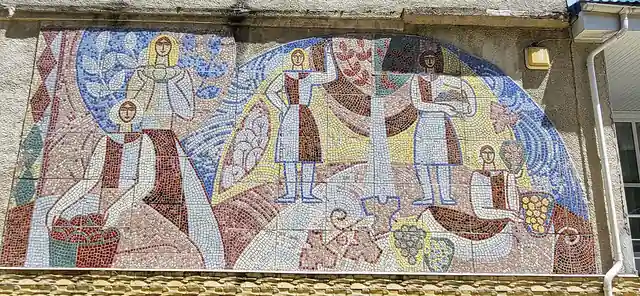
Two track gauges meet at the station: the broad Russian gauge (1,520 mm) and the European standard gauge (1,435 mm). The EU supports plans for a standard-gauge line all the way to Chișinău. After the Soviet era Ungheni remained an industrial town with apartment blocks, socialist mosaics and a spacious Independence Square.
What to see and do
- The Eiffel Bridge over the Prut, seen from the riverbank (the bridge itself is a border zone).
- Independence Square with the town hall and the Palace of Culture.
- Soviet mosaics on façades in the centre.
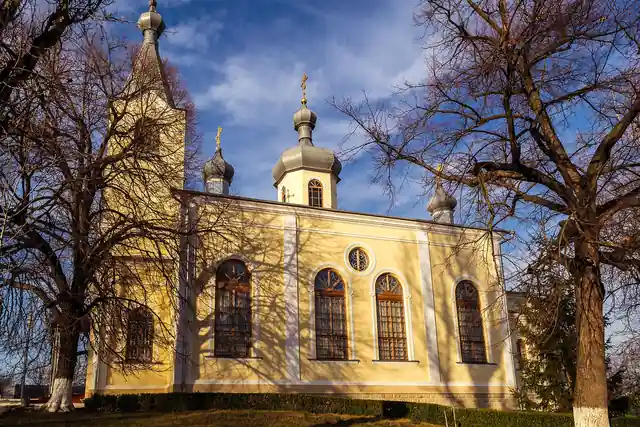
- The local history museum and Saint Alexander Church, both within walking distance of the centre.
- An excursion to the Plaiul Fagului reserve in the district.
Eating, drinking and sleeping
Ungheni has a few hotels, cafés and restaurants around the centre and the station, aimed at travellers and business people. For a quick meal between two trains it serves you well. For rural tourism and local cooking you are better off at guesthouses in the district's villages, on the edge of the forests.
Practical information and tips
The town lies about 105 kilometres west of Chișinău, roughly an hour and three quarters' drive via the R1. Trains also run between Chișinău and Ungheni, and international trains to Iași pass through here. There are passport checks at the road and rail border with Romania; expect waiting times in high season and around public holidays. A few hours in town are enough; combine it with Plaiul Fagului or the monasteries of the Codru area.
Highlights
- Eiffel Bridge over the Prut
- Rail border with two track gauges
- Independence Square and Soviet mosaics
- Plaiul Fagului reserve in the district
- Close to the Romanian city of Iași