Rezervația științifică Prutul de Jos
Lower Prut Reserve and Lake Beleu
A shallow remnant lake of the Danube full of pelicans, herons and water lilies
45.5902° N · 28.1329° E209 km from Chișinău
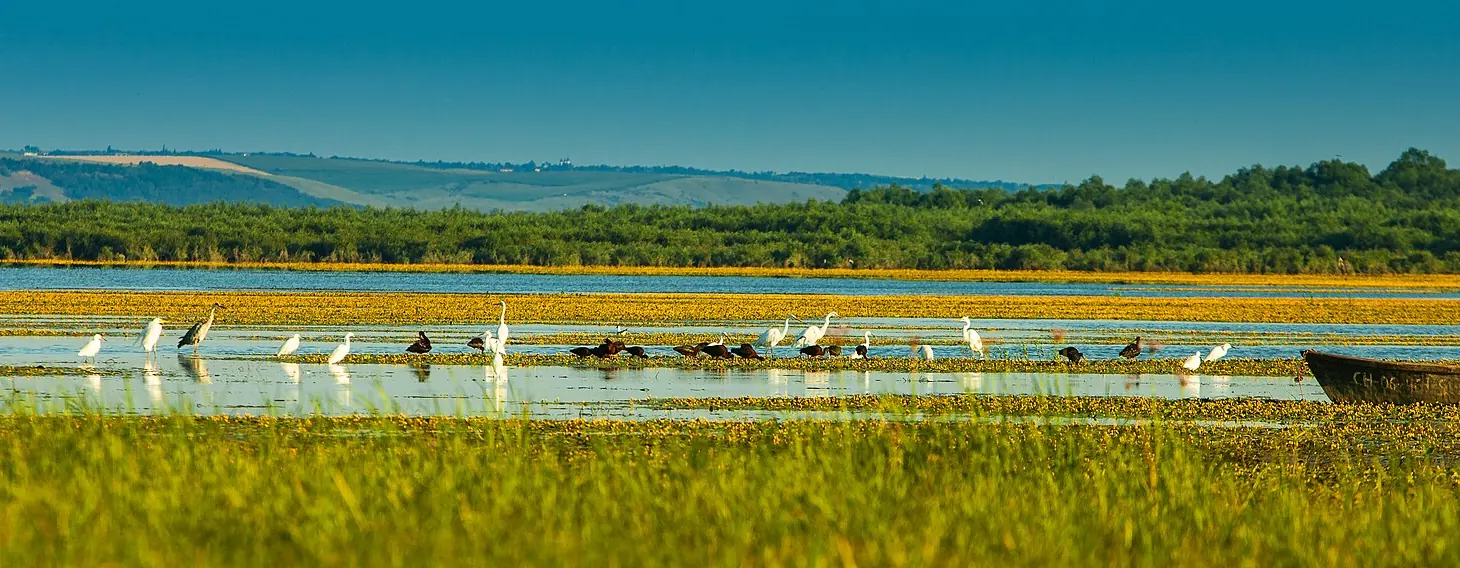
Photo: Roman Friptuleac, CC BY-SA 4.0, via Wikimedia Commons
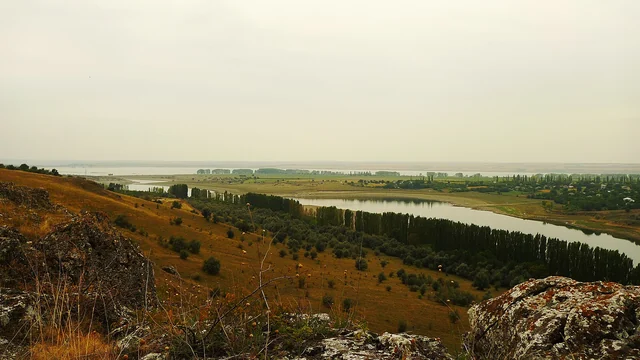
Since 1991 the Prutul de Jos (Lower Prut) scientific reserve has protected Lake Beleu and the marshes along the Prut in the far south of Moldova, near Slobozia Mare. The lake is a shallow remnant of a former Danube lagoon and a magnet for waterbirds. Since 2018 the Prutul de Jos biosphere reserve has been part of UNESCO's world network.
Nature and landscape
The reserve covers 1,691 hectares, about two thirds of which is taken up by Lake Beleu. The lake is some five kilometres long and two kilometres wide and very shallow, on average less than one and a half metres deep. It is fed by the Prut through channels and so depends on the river's water level; in dry years it can shrink considerably. Around the lake lie reed beds, floodplain forest and smaller lagoons.
More than 196 bird species have been recorded, 45 of them listed in the Red Book of Moldova. According to visit.md, more than 20,000 waterbirds pass through each year during migration. Every year flocks of pelicans touch down; the Ramsar information sheet lists both the Dalmatian pelican and the great white pelican, alongside the pygmy cormorant, spoonbill, glossy ibis, purple heron and great egret. From May to July white and yellow water lilies flower.
History
Lake Beleu is already mentioned under Prince Ștefăniță (1517 to 1527). The reserve was established on 23 April 1991 to study and protect the lake and floodplain ecosystems of the lower Prut. It lies within the much larger Lower Prut Lakes Ramsar site of more than 19,000 hectares and is recognised by BirdLife International as an Important Bird Area. That Ramsar site follows the Prut valley for about 147 kilometres, between Cahul and Giurgiulești. In the late 1990s there was still no organised tourism; an information centre for the reserve was then set up with European support.
In 2018 the Prutul de Jos biosphere reserve joined the UNESCO network. With UNDP support an ecotourism route has been developed, and work is under way on a cross-border biosphere reserve with Romania and Ukraine.
Tips for your visit
- Contact the reserve administration in advance: as a scientific reserve, access is restricted.
- Boat trips on the lake give you the best chance of seeing pelicans and herons up close.
- Come in May or June for water lilies and breeding birds, or in September for the autumn migration.
- Bring binoculars, sun protection and insect repellent.
Highlights
- Lake Beleu, a remnant of a Danube lagoon
- More than 196 bird species, including pelicans
- Water lilies from May to July
- Biosphere reserve in the UNESCO network since 2018