Cimișlia
Steppe town on the Cogîlnic, with fossil-rich ravines and a crossroads to the south
46.5215° N · 28.7833° E69 km from Chișinău
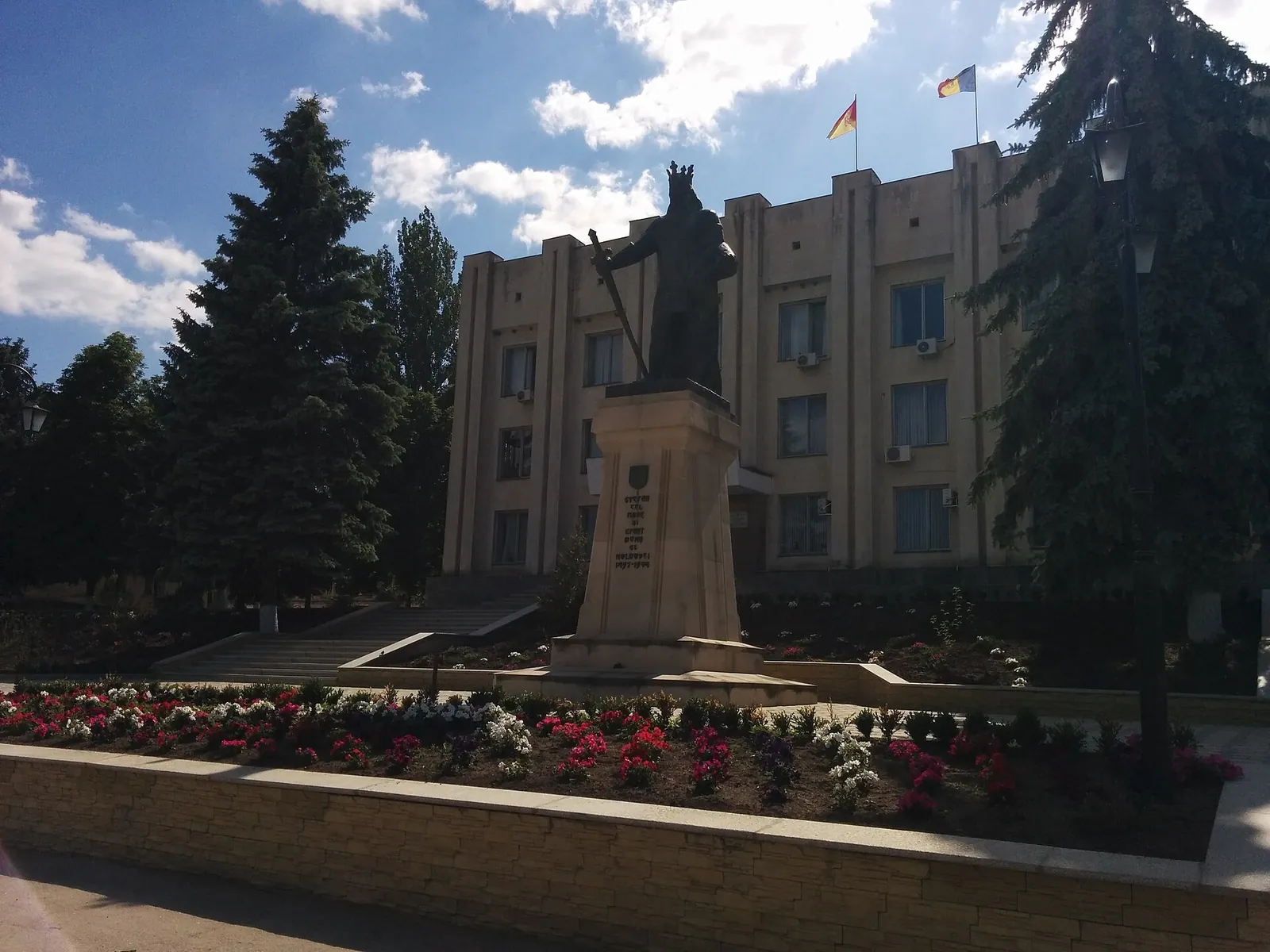
Photo: Andrei_Anghelov (talk) (Uploads), CC BY 3.0, via Wikimedia Commons
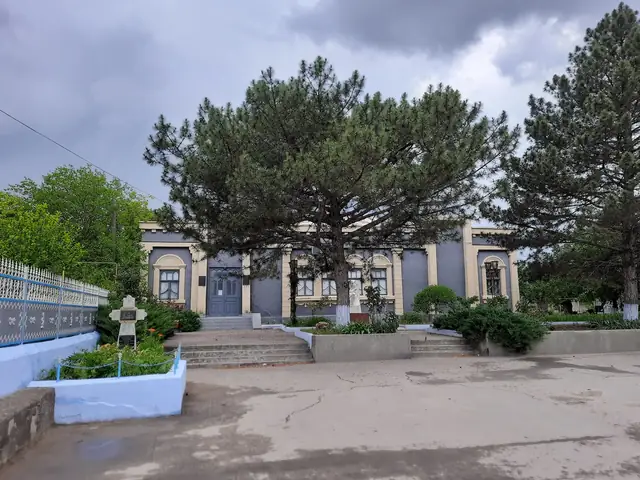
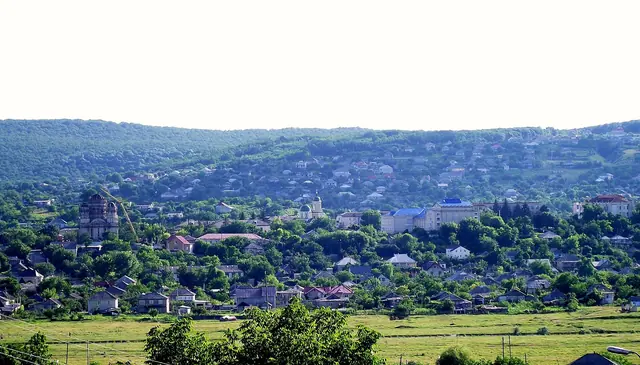
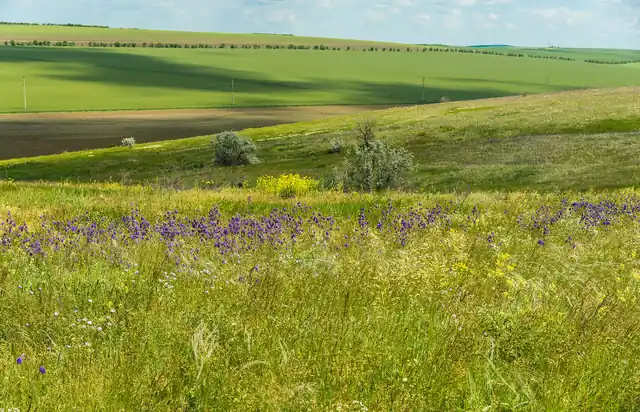
Cimișlia is a district town of about 8,800 inhabitants (2024 census) on the river Cogîlnic, some 70 kilometres south of Chișinău. Its name has Tatar-Nogai roots, and the town is the seat of the South Development Region. The ravines south-east of the town hold fossil beds with the remains of prehistoric horses.
Why go
Cimișlia lies at a crossroads: the roads from Chișinău to Giurgiulești and Bolgrad and from Tiraspol to Leova meet here. Comrat is half an hour's drive away. If you are heading for Gagauzia or the far south, you will pass through. For anyone interested in geology and palaeontology, the Cimișlia ravines are a reason to stop for a while. They show what the steppe looked like millions of years ago, when primitive horses and big cats roamed it.
History and character
The oldest mention dates from 4 July 1620. According to linguists the name goes back to a Tatar-Nogai tribal name; for a long time Moldovan farmers and shepherds lived here alongside Tatar horse breeders. The area lies in the Bugeac steppe and often suffered drought. Dimitrie Cantemir already wrote that the Cogîlnic has no real springs and stays "dry all summer".
Under Russian rule Cimișlia became an administrative centre in 1827 and was granted the status of market town in 1840. The Romanian census of 1930 counted 6,562 inhabitants, including 926 Jews. In Soviet times it became a district centre, which it still is today.
What to see and do
- The Râpele de la Cimișlia, ravines south-east of the town protected as a landscape reserve. The fossil beds, discovered in 1932, contain bones from a fauna that included hipparions, extinct three-toed horses; the scientifically protected zone covers 256 hectares.
- The statue of Ștefan cel Mare in the centre.
- The memorial to those who fell in the wars.
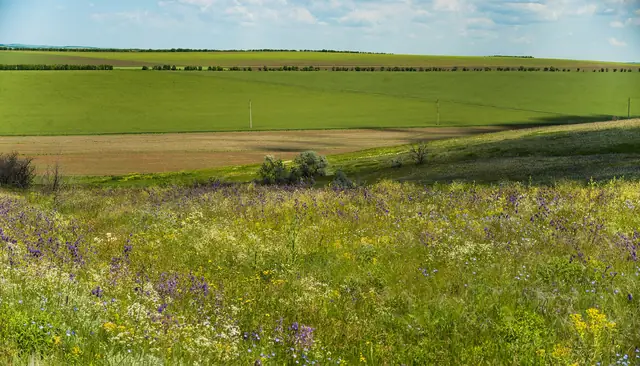
- The Cogîlnic valley, with ponds and fields around the town.
Eating, drinking and sleeping
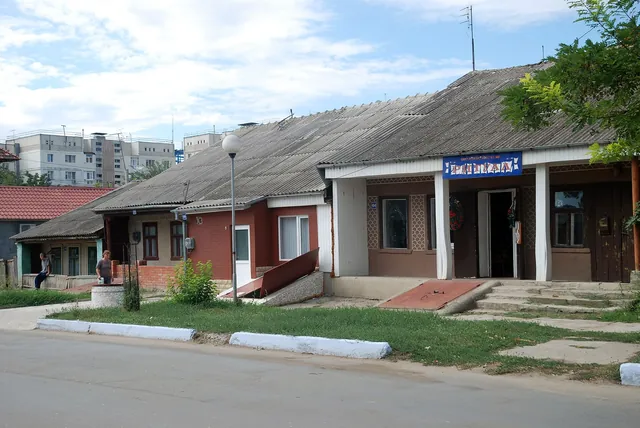
Cimișlia has a few simple restaurants and cafés along the main road, handy for a lunch break. The district is farmland with vineyards and orchards. For an overnight stay, Chișinău, Comrat or the town of Cahul are more obvious choices.
Practical information and tips
The town lies about 69 kilometres from Chișinău, just over an hour's drive on the R3 via Hîncești. Buses and minibuses to Cimișlia and on to the south leave from Gara de Sud in Chișinău. The railway station is 12 kilometres outside the town, in Mihailovca. Visit the ravines in sturdy shoes and in dry weather; take water, because it gets hot here in summer.
Highlights
- Fossil beds with hipparions in the Râpele de la Cimișlia
- Seat of the South Development Region
- Crossroads for Gagauzia and the south
- Statue of Ștefan cel Mare
- Steppe landscape of the Cogîlnic