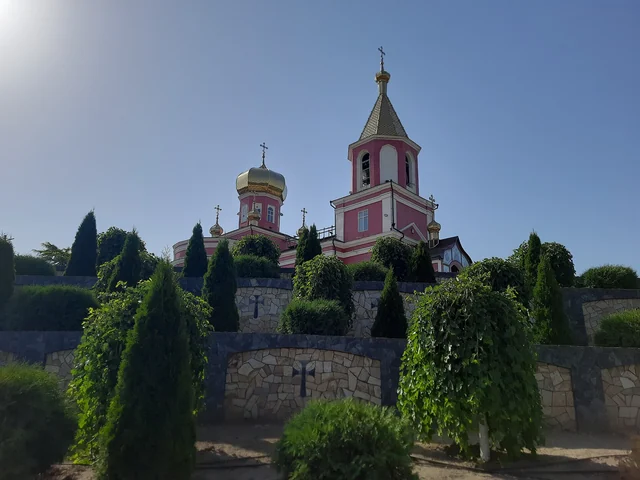
Bugeac
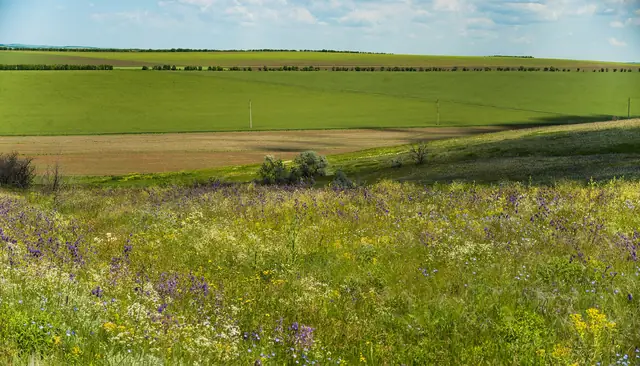
Bugeac steppe
Dry steppe in the south, land of the Gagauz, Bulgarians and ancient ramparts
46.0500° N · 28.6000° E101 km from Chișinău
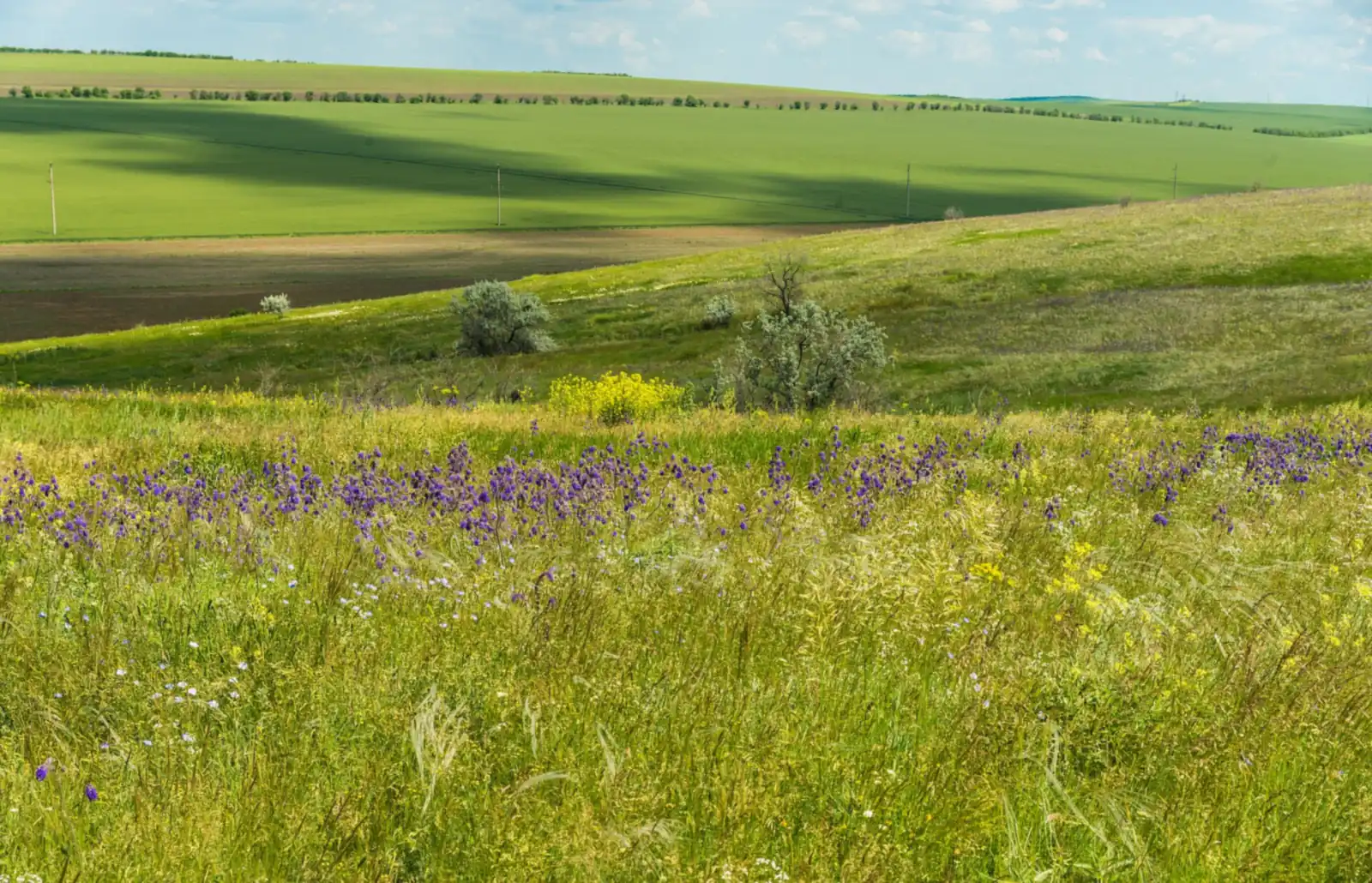
Photo: Society for Birds and Nature Protection of Moldova, CC BY-SA 4.0, via Wikimedia Commons
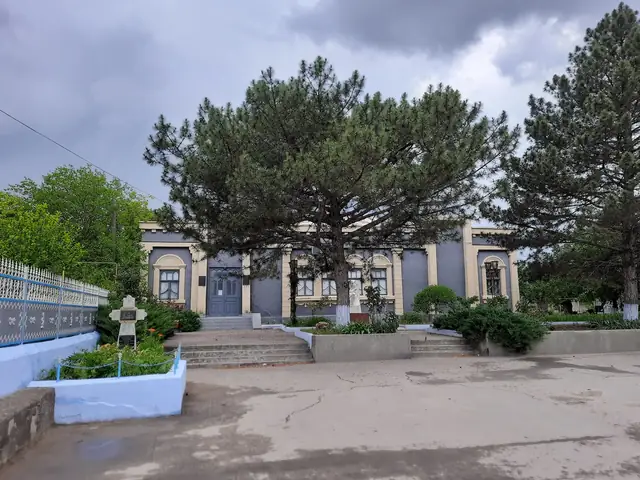
Photo: Mihai Burlacu, CC BY-SA 3.0, via Wikimedia Commons
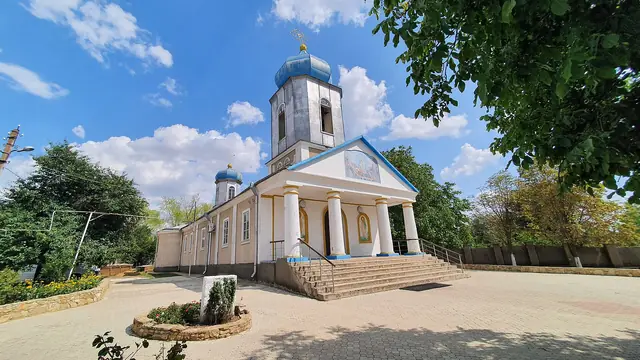
Photo: Mihai Burlacu, CC BY-SA 3.0, via Wikimedia Commons
The Bugeac is the steppe in the far south of Moldova, between the Tigheci hills and the Dniester, stretching on into Ukraine's Odesa region. The name comes from Turkish (bucak, corner or borderland) and dates from Ottoman times; today the area is home mainly to Gagauz, Bulgarians and Moldovans.
Why go
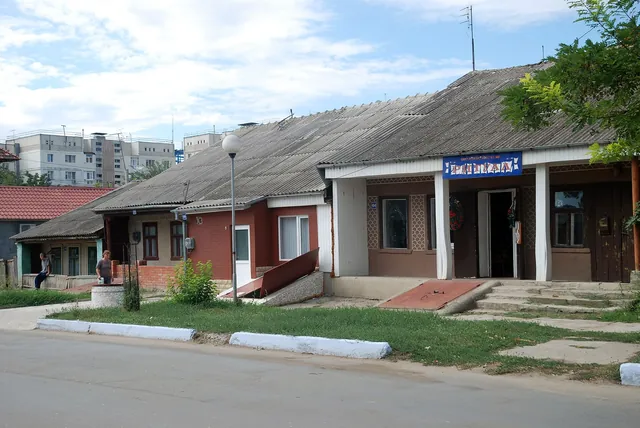
The Bugeac is Moldova's most open landscape: rolling plains, windbreaks, vineyards and villages with wide streets. This is the land of Gagauzia and Taraclia, with a different language and different traditions from the north. If you want to see the whole country, drive south at least once.
History and character
Historically the Bugeac was the south-eastern steppe of the Principality of Moldavia, bounded by the northern Trajan's Wall, the Danube, the Black Sea, the Tigheci hills and the Dniester. Under Ottoman rule (1484 to 1812) Nogai Tatars lived here. After the Russian annexation of 1812 they had to leave, and Bulgarian and Gagauz settlers moved into their villages; this is how Taraclia (1813) and the Gagauz villages around Comrat, among others, came into being. Between the world wars the region belonged to Romania. In 1940 the Soviet Union added the southern part to the Ukrainian SSR, and since 1991 a state border has run right through the Bugeac: most of it now lies in Ukraine, while the Moldovan part covers the southern districts.
What to see and do
The steppe itself is the subject: drought-loving grasses and herbs that go dormant in the hot summer and flower in spring, and a small nature reserve for medicinal plants. Remains of the earthen ramparts called the Valul lui Traian run through the landscape, for example north of Vulcănești. Comrat is the administrative centre of Gagauzia; Beșalma has the Gagauz museum, Taraclia the Bulgarian university branch. At Lake Cahul an obelisk recalls the battle of 1770.
Wine is everywhere: the protected Valul lui Traian wine region lies largely in the south.
Eating, drinking and sleeping
Comrat and Cahul have the most hotels and restaurants. In the villages you will find simple places to eat and sometimes wineries that welcome visitors by appointment. The cooking shows Balkan influences; ask locally for Gagauz and Bulgarian specialities.
Practical information and tips
Distances are long and public transport is slow, so a hire car is the best choice. Comrat lies about 101 km from Chișinău, Taraclia 153 km and Vulcănești 179 km. In July and August temperatures often soar and there is little shade; take water. In large parts of the region Russian is the common language.
Highlights
- Name from Turkish: bucak, corner or borderland
- Gagauz and Bulgarian villages since the nineteenth century
- Remains of the Valul lui Traian
- Valul lui Traian wine region