Orheiul Vechi
Old Orhei, archaeological landscape and cave monastery
A limestone river loop with cave monasteries, Getic strongholds and a Golden Horde town
47.3056° N · 28.9750° E51 km from Chișinău
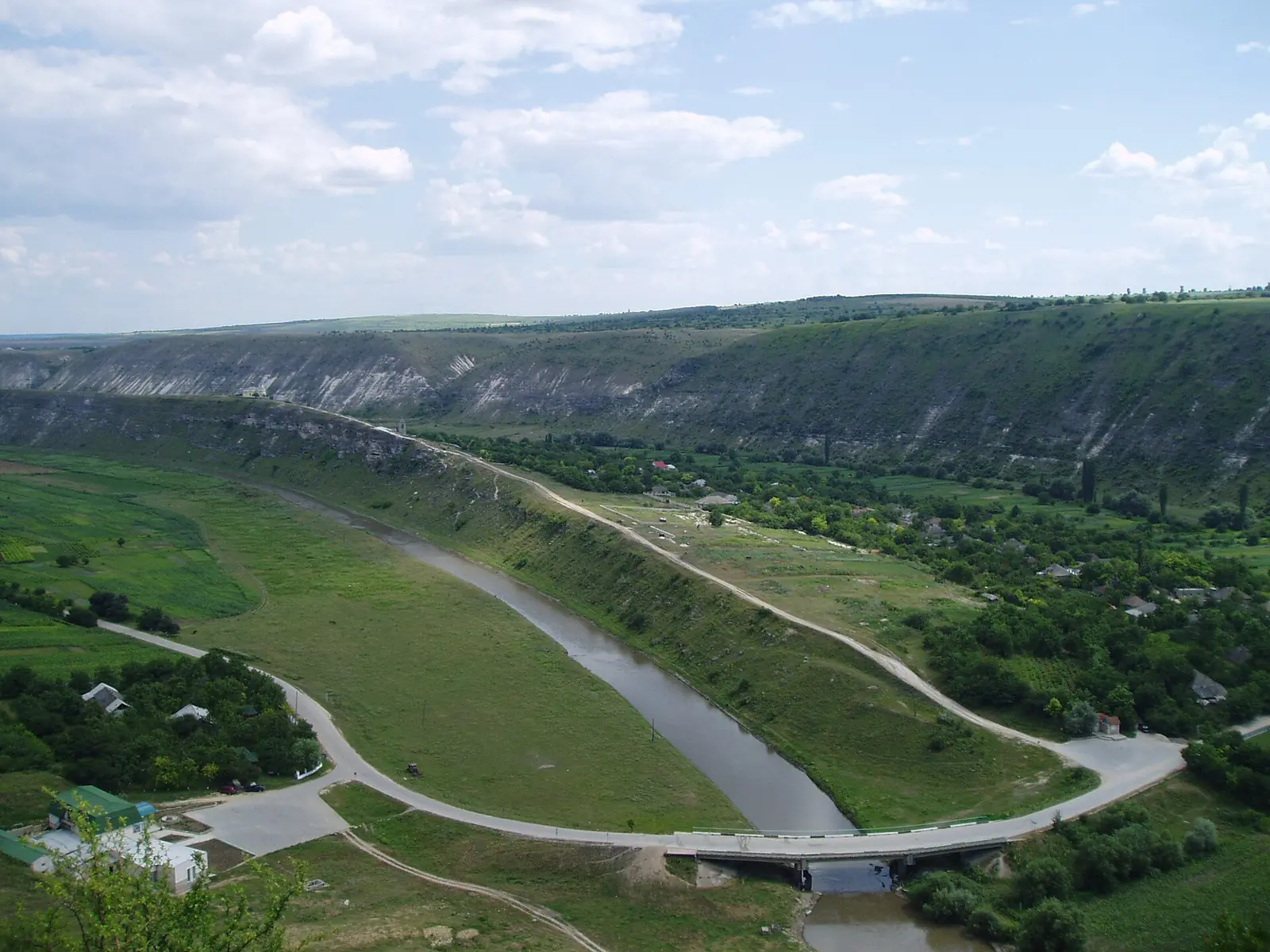
Photo: Guttorm Flatabø from Sogndal, Norway, CC BY 2.0, via Wikimedia Commons
Photo: Diego Delso, CC BY-SA 4.0, via Wikimedia Commons
Photo: Diego Delso, CC BY-SA 4.0, via Wikimedia Commons
Read the transcript EN
A river in the rock
Just over fifty kilometres north of Chișinău, a small river does something unexpected. The Răut cuts deep into a limestone plateau and winds through it in wide loops. Together, those bends are about seven kilometres long. They enclose two rocky ridges with steep walls. The whole valley forms a kind of amphitheatre, three and a half kilometres across. This is Orheiul Vechi, Old Orhei. It is the most important archaeological landscape in Moldova, and look closely: almost every rock here carries a story.
The fortresses of the Getae
The oldest traces are more than two thousand years old. Between the sixth and the third centuries before Christ, the Getae built fortifications here. They used ditches, earth ramparts and the natural cliffs for defence. On the rocky ridge near the village of Butuceni, archaeologists also found a circular sanctuary. According to the dossier that Moldova submitted to Unesco, it is the oldest of its kind in the Getic world.
A city of the Golden Horde
In the first half of the fourteenth century, a very different world arrived. The Golden Horde, the empire of the Mongol khans, founded the city of Șehr al-Cedid in the valley. It had a palace, a mosque, a caravanserai, a mausoleum and three bathhouses. Around the year thirteen sixty-nine, the Mongols disappeared. On the ruins, the Moldavians built their own town of Orhei, which lasted until about fifteen forty.
Monks in the cliff face
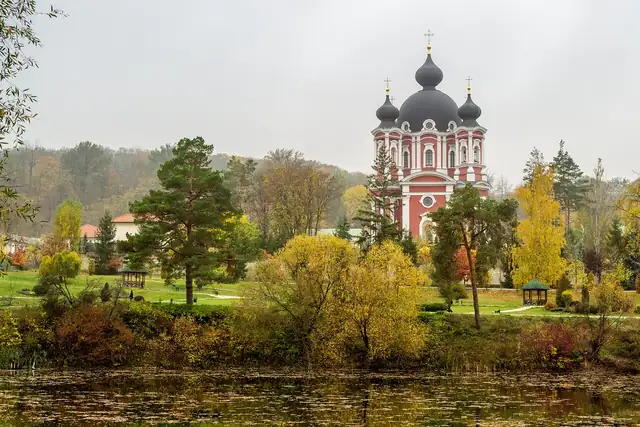
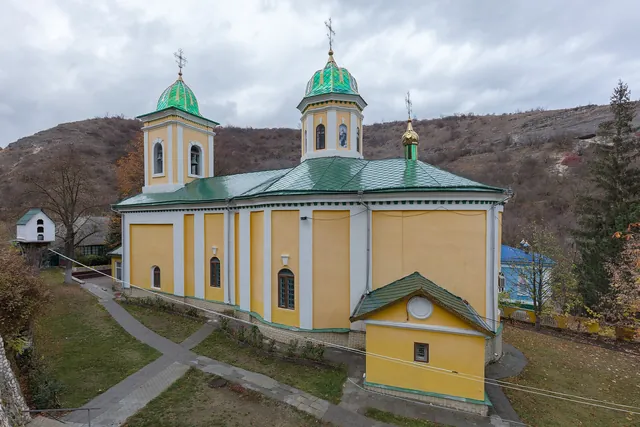
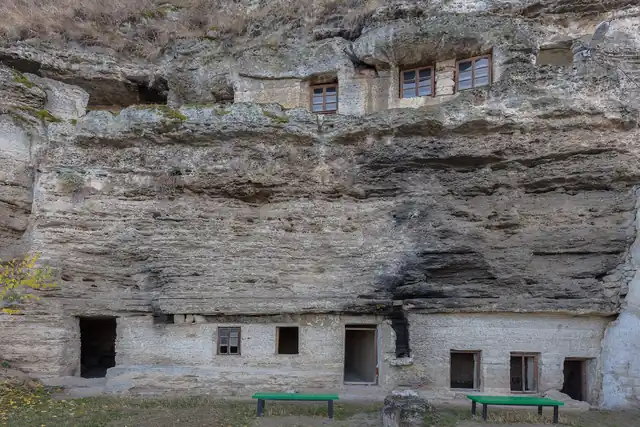
In the fifteenth century, monks began to carve caves into the limestone. Researchers now count about two hundred along the river. The best known cave monastery lies in the cliff of the Peștera ridge. A narrow passage leads to a chapel and twelve small cells. Carved into the rock are inscriptions from the sixteen nineties, when the caves also served as a hiding place. A few monks still live here. They look after the church on top of the hill.
The village of Butuceni
At the foot of the ridge lies the village of Butuceni. In a restored farmhouse, an ethnographic museum shows how people lived here at the end of the nineteenth century. The house was restored with traditional materials and techniques. You can spend the night in the guesthouses of Butuceni and Trebujeni. The national tourism office recommends it too. If you stay, you will see the gorge in the early morning light, before the visitors have arrived.
A landscape as an archive
The reserve was founded in nineteen sixty-eight. Since twenty seventeen, Orheiul Vechi has been on the tentative list for World Heritage. Archaeologists count more than a thousand structures in the landscape, and only some of them have been studied. Getae, Mongols, Moldavian princes and monks each left their own layer here. Each layer tells us who, at that moment, thought the valley worth defending. The river still flows around it, as if guarding the archive it carved out itself.
Photos: Julian Nyča (CC BY-SA 4.0), Denissemihov (CC BY-SA 4.0), Guttorm Flatabø from Sogndal, Norway (CC BY 2.0), Jbuket (CC BY-SA 4.0), Iurieph (CC0), Iurieph (CC0), Vladikh (CC BY-SA 4.0), Анатолий Зубанюк (CC BY 3.0), Iurieph (CC0), Gganebnyi (CC BY-SA 4.0), Eugene Patrashko (CC BY-SA 4.0), Guttorm Flatabø from Sogndal, Norway (CC BY 2.0), Diego Delso (CC BY-SA 4.0), inyucho from Holland (CC BY 2.0), Guttorm Flatabø from Sogndal, Norway (CC BY 2.0), WikiLies (CC BY-SA 4.0), Анатолий Зубанюк (CC BY 3.0), Iurieph (CC0), Анатолий Зубанюк (CC BY 3.0), SerKo Photography (CC BY-SA 4.0), Andrey from Russia (CC BY 2.0), Guttorm Flatabø from Sogndal, Norway (CC BY 2.0), Dave Proffer (CC BY 2.0), Tolea93 (CC BY-SA 4.0). Voice: synthetic voice (AI).
Orheiul Vechi is a limestone gorge through which the Răut winds in wide loops, and where more than two millennia of settlement lie layered on top of one another: Getic strongholds, a Golden Horde town, medieval Orhei and cave monasteries cut into the rock. It is Moldova's most important archaeological landscape and has been on UNESCO's tentative list since 2017. Monks still live in the cliff face.
What you see
Near the villages of Trebujeni and Butuceni, a little over 50 kilometres north of Chișinău, the Răut has cut deep into a limestone plateau. Together the river's meanders are some 7 kilometres long and enclose two large rocky spurs, Peștera and Butuceni. The whole forms a kind of amphitheatre measuring roughly 3.5 by 1.5 kilometres, with steep walls rising above a green valley.
The best-known part is the cave monastery in the face of the Peștera spur. A narrow passage leads to a chapel and cells hewn into the rock; according to the reserve's management, the monastery had twelve cells. On the summit stands a church looked after by a small community of monks. According to the UNESCO file, the gorge holds around 200 caves cut into the rock. In the village of Butuceni, an ethnographic museum shows a late 19th-century farmhouse restored with traditional materials.
History
According to the UNESCO file, the Getae built a series of fortifications here between the 6th and 3rd centuries BC, with ditches, ramparts and a circular sanctuary on the Butuceni spur. In the first half of the 14th century the Golden Horde founded the town of Șehr al-Cedid in the valley, with a palace, a mosque, a caravanserai, a mausoleum and three bathhouses. After 1368-1369 Moldavian Orhei rose on those remains, a fortified town that mattered until around 1540; in the mid-16th century the fortifications were demolished and life moved to present-day Orhei.
The oldest cave monasteries date from the 15th century. Inscriptions in Church Slavonic from the 1690s suggest the caves also served as a hiding place. The reserve has existed since 1968, and Moldova is working towards a full UNESCO inscription.
Tips for your visit
Allow half a day for the cave monastery, the ridge and a walk along the river, and a full day if you also want to see the ruins in the valley and the museum. The path up to the ridge is short but steep and can be slippery after rain. The usual Orthodox dress rules apply in the monastery.
The national tourism office moldova.travel recommends staying overnight in Butuceni or Trebujeni: mornings and evenings are quiet, and the light over the gorge is at its finest. Both villages have guesthouses that cook their own meals.
Highlights
- Cave monastery with cells and a chapel in the Peștera limestone cliff
- View from the ridge over the loops of the Răut
- Remains of the 14th-century Golden Horde town of Șehr al-Cedid in the valley
- Getic fortifications on the Butuceni spur
- Ethnographic museum and guesthouses in Butuceni