Constantin Stere
Bessarabian lawyer and writer, a key figure in the union of 1918
1865-1936
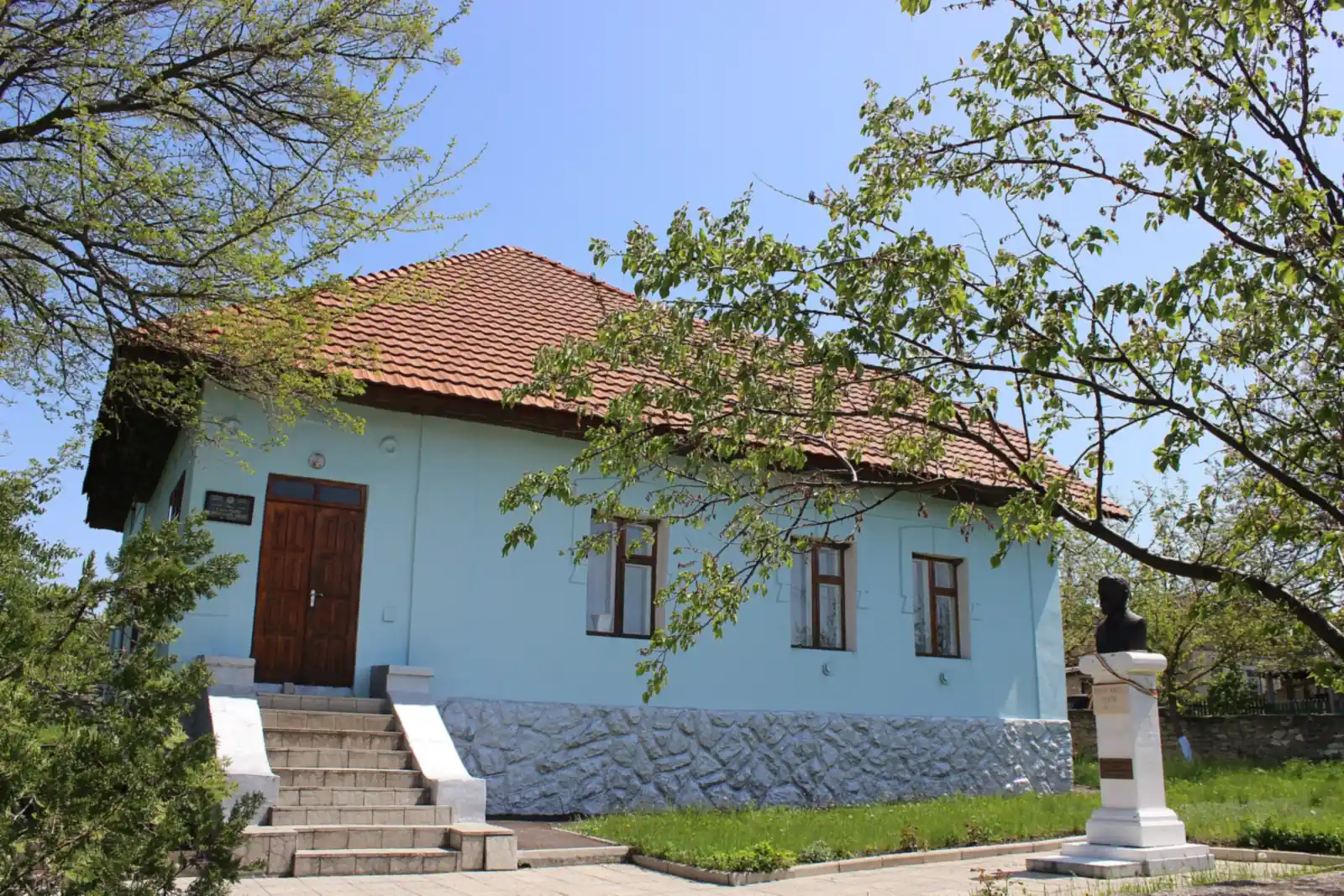
Photo: Lavricsilvia, CC BY-SA 4.0, via Wikimedia Commons
Constantin Stere was a lawyer, journalist, novelist and politician, and one of the central figures in the history of Bessarabia around 1918. After years of imprisonment and exile in Siberia, he built a career in Iași as a professor and as the thinker behind poporanism, a movement that put the peasant at the centre.
Link with MoldovaConstantin Stere was born in 1865 in Soroca district in northern Bessarabia and in 1918, in Chișinău, played a key role in the union of Bessarabia with Romania.
Stere was born on 1 June 1865 into a boyar family from Soroca district, then part of the Russian Empire. Most sources give Horodiște as his native village; the family also had ties to the village of Ciripcău. As a schoolboy he became involved with the Narodniks, the Russian revolutionary populist movement. He was arrested in 1883 and then spent years in prison and in exile in Siberia.
Around 1892 he made his way into Romania clandestinely. In Iași he studied law, became a lawyer and later professor of constitutional and administrative law; from 1913 to 1916 he was rector of the university. In 1906, with Garabet Ibrăileanu and Paul Bujor, he founded the magazine Viața Românească, the mouthpiece of poporanism. During the First World War he argued for an alliance with the Central Powers and broke with the Liberal Party. After the war he was accused of treason, but he never stood trial.
The link with Moldova
In 1918 he represented the Romanian government in Chișinău and helped prepare the vote of 27 March in which the Sfatul Țării, the national council of Bessarabia, chose union with Romania. According to the Chișinău city authorities, he was the council's second president from 2 April to 25 November 1918. He spent his last years on an estate in Bucov (Prahova), where he wrote the partly autobiographical cycle of novels În preajma revoluției: eight volumes, published between 1932 and 1936. The communist regime banned the work; it was republished in Chișinău in 1990 and 1991. Stere died in 1936.
Where you will find him
A street in Chișinău bears his name, and in 2020 a bust by the sculptor Veaceslav Jiglitski was unveiled in Rezina. In 2010 the Romanian Academy made him a posthumous member.
Key facts
- 1865: born in Soroca district
- 1906: co-founder of the magazine Viața Românească
- 1913-1916: rector of the University of Iași
- 1918: president of the Sfatul Țării after the union vote
- 2010: posthumous member of the Romanian Academy