Tiraspol (centre)
Tiraspol city centre
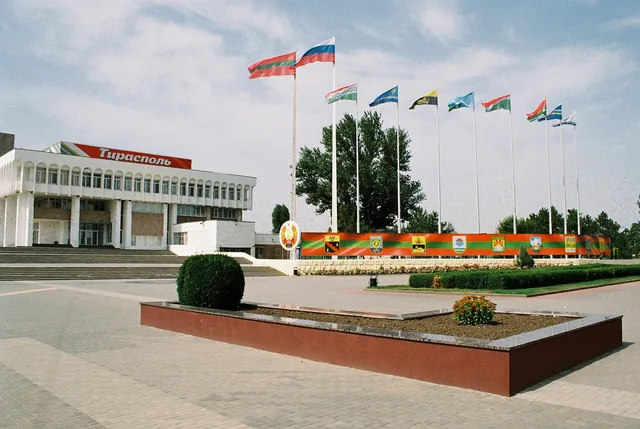
Soviet monuments along the main street of the capital of unrecognised Transnistria
46.8403° N · 29.6433° E80 km from Chișinău
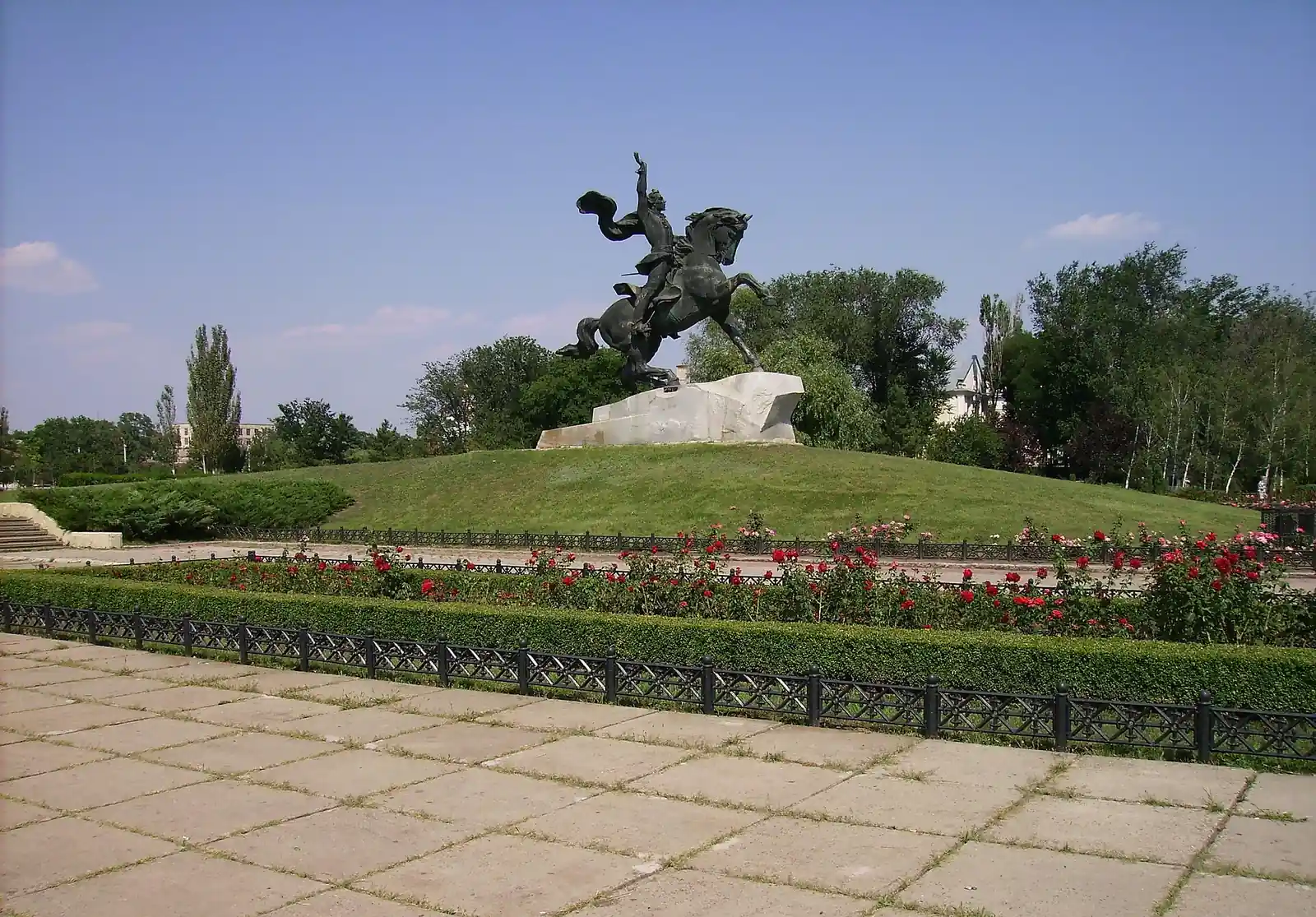
Photo: Донор, CC BY-SA 3.0, via Wikimedia Commons
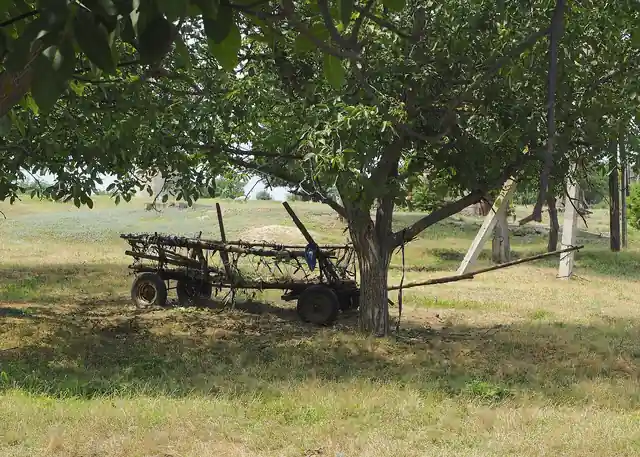
Photo: Ben1152000, CC BY-SA 4.0, via Wikimedia Commons
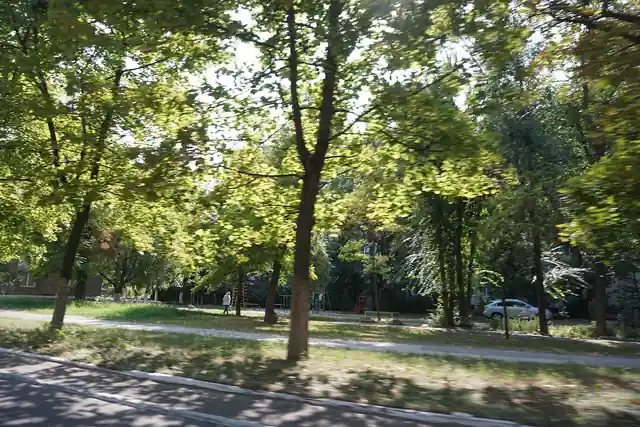
Photo: Донор, CC BY-SA 3.0, via Wikimedia Commons
The centre of Tiraspol, the largest city in the breakaway region of Transnistria, looks like an open-air museum of the late Soviet Union: a statue of Lenin in front of the parliament, a tank on a plinth, a hammer and sickle on the flag. Since the armed conflict of 1992 the region has been outside the control of the Moldovan government, and no UN member state recognises it. In 2026 the Belgian Ministry of Foreign Affairs strongly advises against all travel to Transnistria.
What you see
Almost everything lies on or just off Strada 25 Octombrie, the long main street. Suvorov Square has the monument to Alexander Suvorov, the Russian general who founded the city in 1792; it was erected in 1979. Further along are the Supreme Council building, the region's parliament, with a large statue of Lenin in front of it, and the House of Soviets from the 1950s, now the city hall, with a bust of Lenin.
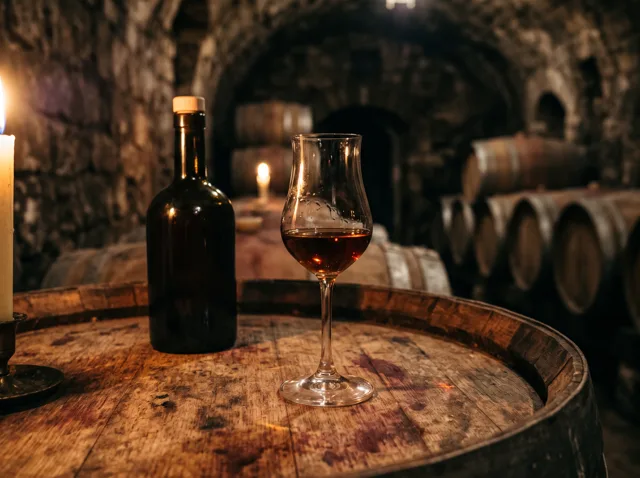
The memorial with a T-34 tank, an eternal flame and the tomb of the unknown soldier commemorates those who fell in the Second World War, the war in Afghanistan and the 1992 conflict; a small Orthodox chapel stands next to it. The Cathedral of the Nativity, built in 1999, is the largest church in the city. Kvint, the distillery on Strada Lenin, makes the region's best-known brandy; tastings must be booked in advance. At the Green Market farmers sell their produce every day.
History and context
Tiraspol was founded by Suvorov in 1792 on the Dniester. In 1990 the left bank of the river declared itself a separate republic. After armed fighting in 1992 the region remained de facto independent, with its own administration, currency and checkpoints, but without international recognition; Moldova regards the area as part of its territory. In September 2021 the football club Sheriff Tiraspol beat Real Madrid 2-1 in the Champions League.
Practical information and travel advice
The Belgian travel advice (updated on 17 July 2026) strongly advises against all travel to Transnistria, including transit to Ukraine. Consular assistance cannot be guaranteed there. If you go anyway, you do so at your own risk; also check whether your travel insurance covers you.
Buses and minibuses leave from Chișinău's central bus station; the journey is about 80 kilometres. Before Bender (Tighina) the vehicle stops at the Transnistrian checkpoint, where foreigners receive a migration card. How long it is valid depends on what you state; for a day trip this is often 24 hours. Keep the card until you leave. You pay in Transnistrian roubles, which are worthless outside the region. The region is cut off from the international banking system, so bring cash in euros and change it locally. Do not photograph soldiers, border posts or guarded buildings.
Highlights
- Suvorov monument (1979)
- Lenin in front of the Supreme Council building
- Memorial with a T-34 tank and eternal flame
- Cathedral of the Nativity (1999)
- Kvint distillery