Tiraspol
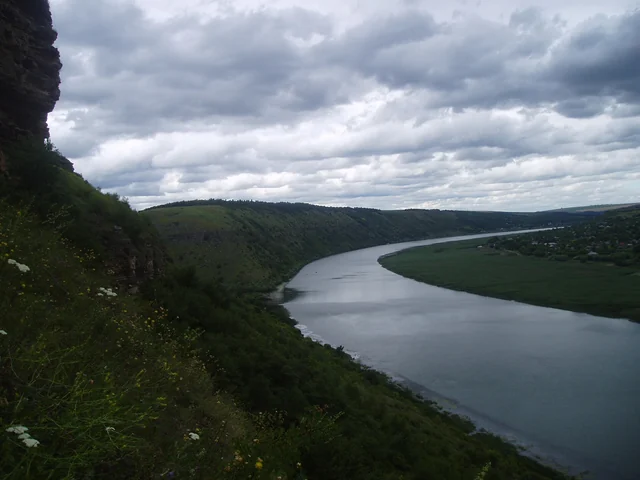
Administrative centre of unrecognised Transnistria, on the left bank of the Dniester
46.8371° N · 29.6110° E78 km from Chișinău
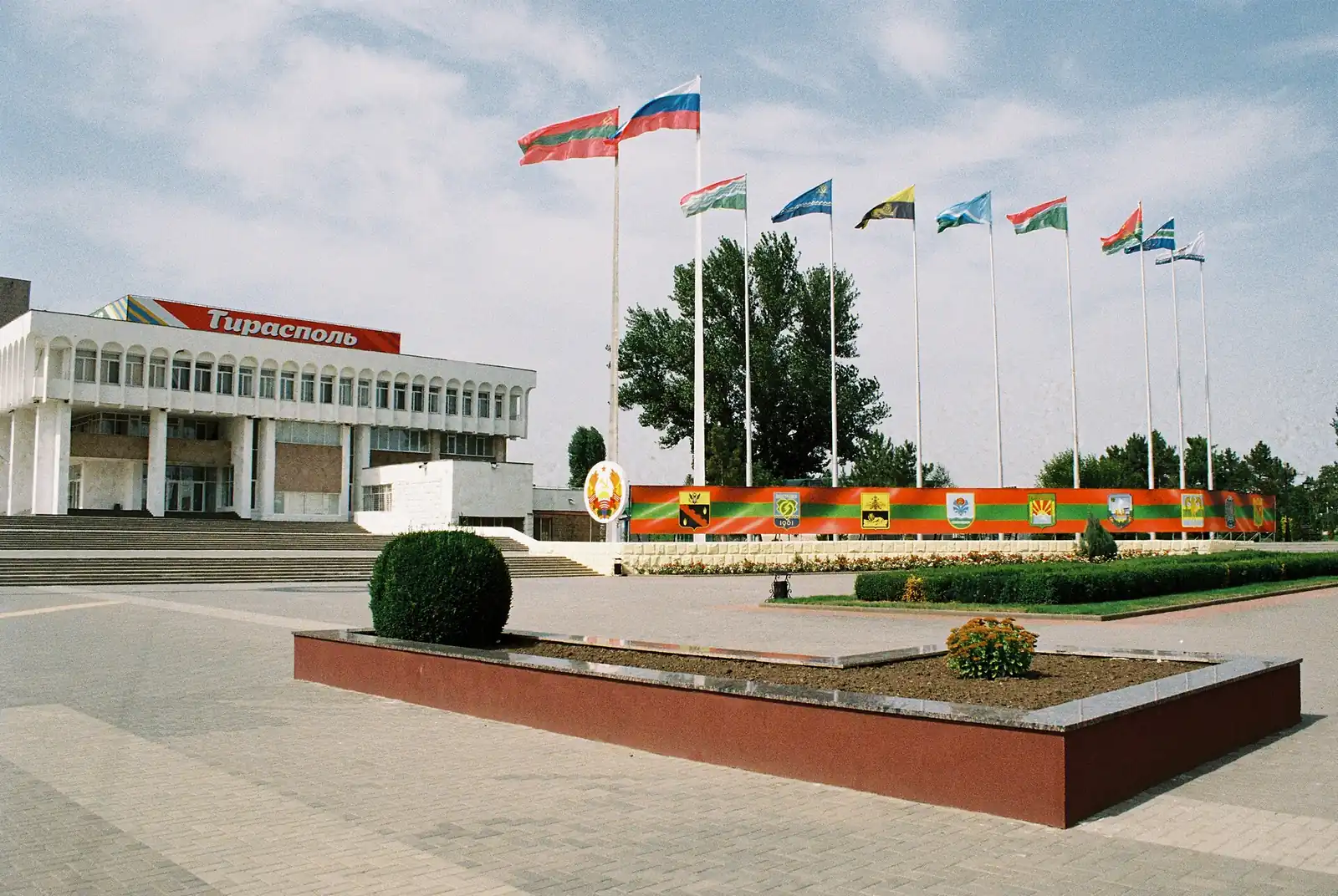
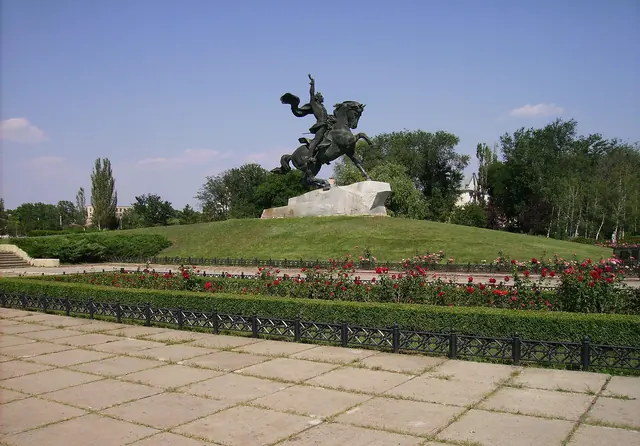
Photo: Eugene Romanenko from Tiraspol, Moldova, CC BY 2.0, via Wikimedia Commons
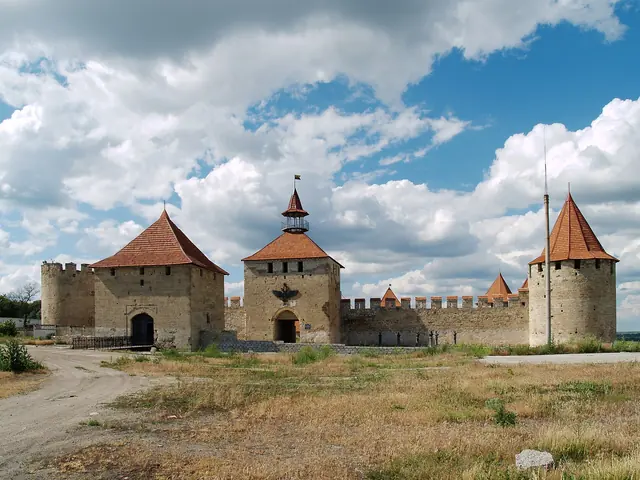
Photo: John Pavelka from Austin, TX, USA, CC BY 2.0, via Wikimedia Commons
Tiraspol is the largest city of Transnistria, the territory on the left bank of the Dniester that broke away from Moldova in 1990-1992 and is not recognised as a state by any UN member. The city was founded in 1792 by the Russian general Alexander Suvorov. Important before you go: in 2026 the Belgian FPS Foreign Affairs strongly advises against all travel to Transnistria.
Why go
Tiraspol draws visitors who want to see how an unrecognised statelet works: with its own currency, its own border controls, its own flag and a public space in which Soviet symbols are still very much present. Legally the territory is part of the Republic of Moldova, but the Moldovan authorities have no control there. Read the travel advice at the bottom of this page first, because it determines whether a visit is responsible.
History and character
Suvorov founded the city in 1792 as a fortress on the new Russian border, and it received town rights in 1795. After the armed conflict of 1992 and the ceasefire of 21 July 1992, the territory remained under the control of the Transnistrian de facto authorities, with a Russian military presence and a joint peacekeeping force.
The population is mainly Russian- and Ukrainian-speaking: in the Transnistrian count of 2004, 41.7 per cent were Russian, 33.1 per cent Ukrainian and 15.1 per cent Moldovan. Since January 2025 the region has been in a severe energy and economic crisis, after Russian gas deliveries via Ukraine stopped.
What to see and do
- The equestrian statue of Suvorov (1979) on the square named after him.
- The parliament building with a Lenin statue in front of it, and the House of Soviets.
- The war memorial with a T-34 tank and the embankment along the Dniester.
- The Kvint distillery, known for its brandy.
Eating, drinking and sleeping
In the centre, along 25 October Street among other places, you will find hotels, cafés, restaurants and exchange offices. Payment is in Transnistrian roubles, a currency that can only be exchanged inside the region; you change euros or lei at the exchange offices in town. Do not assume that foreign bank cards will work.
Practical information and tips
From Chișinău, buses and minibuses leave Gara Centrală and travel via Bender to Tiraspol, about 78 kilometres. At the Transnistrian checkpoint foreigners show their passport and receive a migration card for a stated number of days, which you must show again when you leave. According to the Belgian travel advice (updated on 17 July 2026), all travel to Transnistria is strongly advised against, including transit to Ukraine; according to the FPS, the crossing is sometimes smooth and sometimes very laborious. If you go anyway, you do so at your own risk, bearing in mind that the Moldovan authorities exercise no authority in the region.
Highlights
- Equestrian statue of Suvorov (1979)
- Lenin statue in front of the parliament building
- Embankment along the Dniester
- Its own currency: the Transnistrian rouble
- Belgian travel advice 2026: all travel strongly advised against