Muzeul Național de Istorie a Moldovei
National Museum of History of Moldova
From the Stone Age to the 20th century in a former boys' grammar school, with the she-wolf at the door
47.0226° N · 28.8281° E2 km from Chișinău
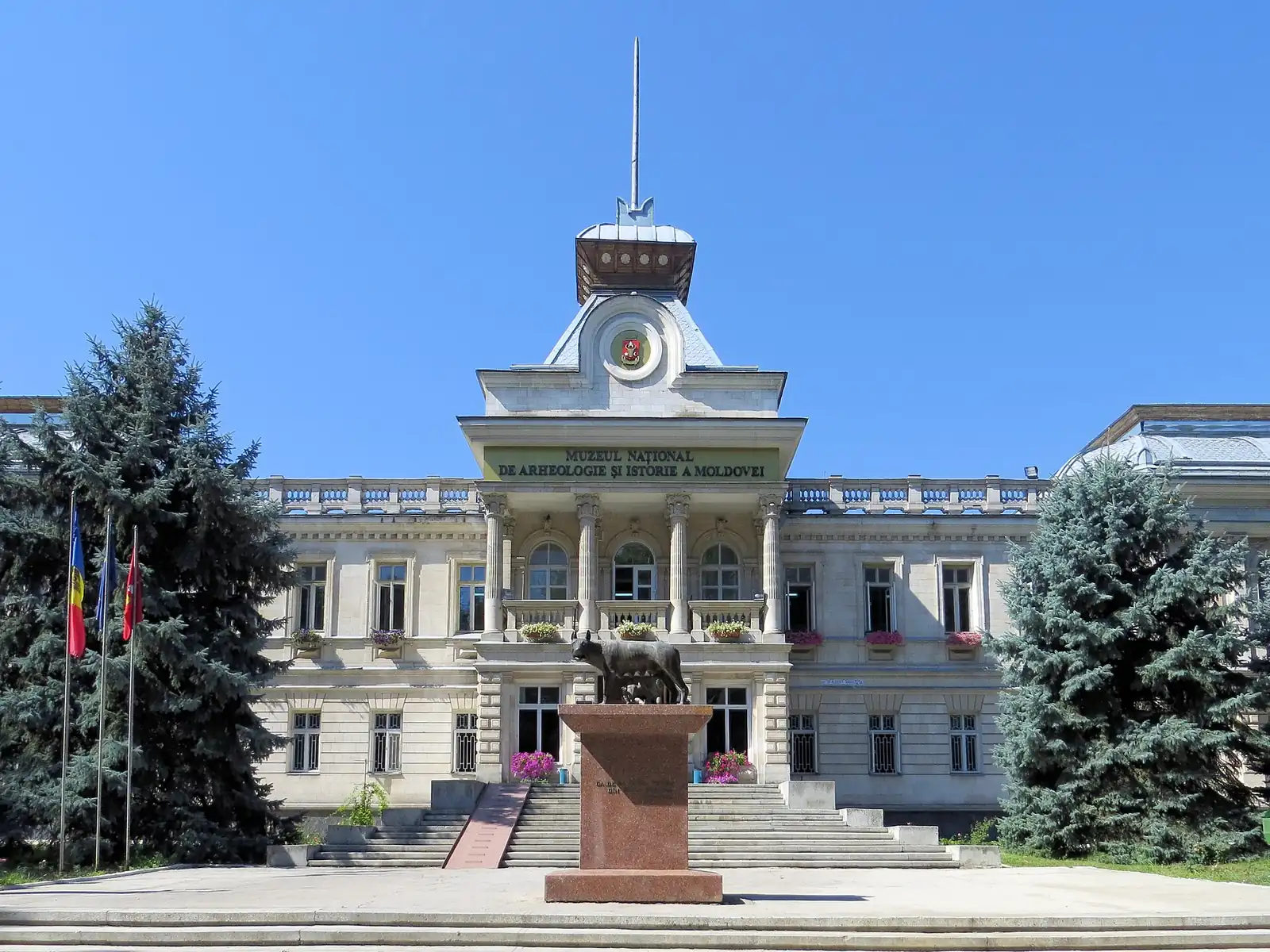
Photo: Alexandru Panoiu from Bucharest, Romania, CC BY 2.0, via Wikimedia Commons
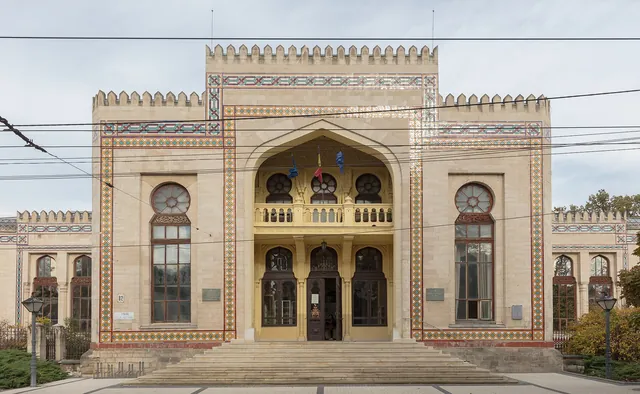
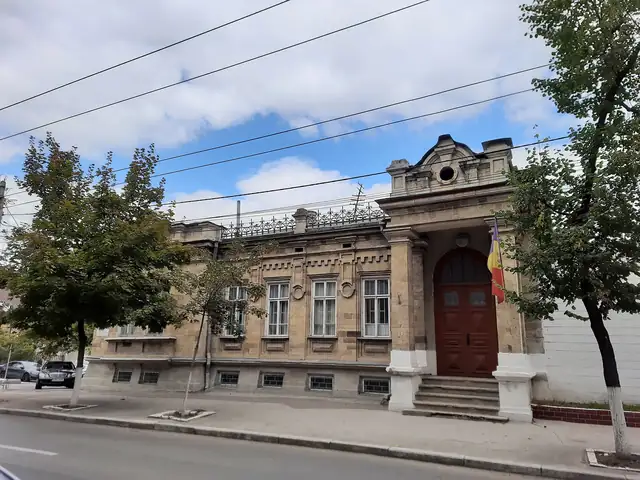
The National Museum of History of Moldova tells the story of the land between the Prut and the Dniester, from the Old Stone Age to the mid-20th century. It holds almost 350,000 objects and is housed in the former Boys' Grammar School No. 1 of Chișinău. In front of the entrance stands a copy of the Capitoline Wolf with Romulus and Remus.
What you see
The permanent exhibition Istorie și civilizație (History and civilisation) covers about 1,400 m² on the upper floor, divided into seven sections. It runs from the Palaeolithic through the Cucuteni-Trypillia culture, antiquity and the medieval Principality of Moldavia to Bessarabia in the 19th and 20th centuries. Among the best-known finds is the Olănești treasure, discovered in 1960, with six helmets and five greaves worn by warriors in antiquity.
On the ground floor, a large diorama of the 1944 Iași-Chișinău offensive has stood since 1990, and in 1994 the treasury of precious-metal objects opened in the basement. According to the museum's website, an exhibition of more than 2,500 gold and silver pieces is on in 2026. Outside, the copy of the Capitoline Wolf with Romulus and Remus catches the eye at once, a cast of the statue in Rome.
History
In Tsarist times the building at Strada 31 August 1989 no. 121A was Boys' Grammar School No. 1, and later the B. P. Hasdeu boys' lyceum. After the Second World War a border guard unit was based here, and from 1963 to 1977 the Technical University. The 1977 earthquake badly damaged it; between 1980 and 1987 it was rebuilt.
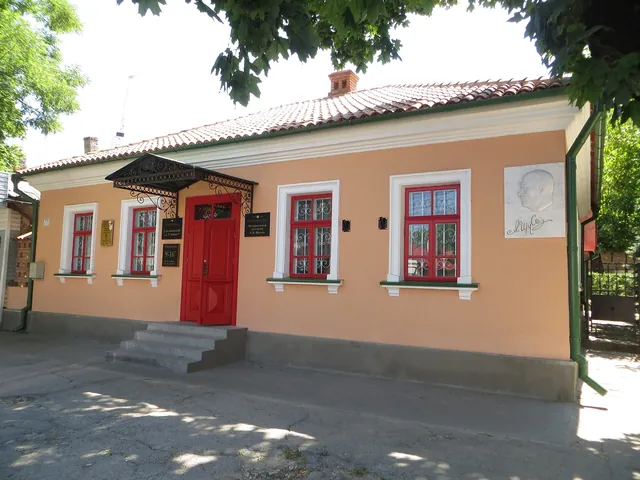
The museum was founded at the end of 1983 as the State Museum of History of the Moldavian SSR and received its present name in October 1991. In 2006 it absorbed the archaeological museum of the Academy of Sciences; the collections of several closed Soviet museums had already been added earlier. According to Wikipedia, it held 348,619 heritage items in 2021. It also runs branches, such as the Șciusev House in Chișinău and the museum about King Charles XII in Varnița.
Tips for your visit
- Allow two hours; the archaeology rooms alone take an hour.
- The museum is closed on Mondays.
- Because of renovation work on Strada 31 August 1989, the main entrance was temporarily closed in 2026; the entrance is then on Strada Mitropolit Gavriil Bănulescu-Bodoni.
- Combine your visit with the Art Museum, a few doors down the same street.
Highlights
- Almost 350,000 objects, from the Stone Age to the 20th century
- Permanent exhibition History and civilisation across 1,400 m²
- Treasury of gold and silverwork
- Copy of the Capitoline Wolf at the entrance