Ștefan cel Mare
Prince of Moldavia from 1457 to 1504 and the country's greatest historical symbol
1433-1504
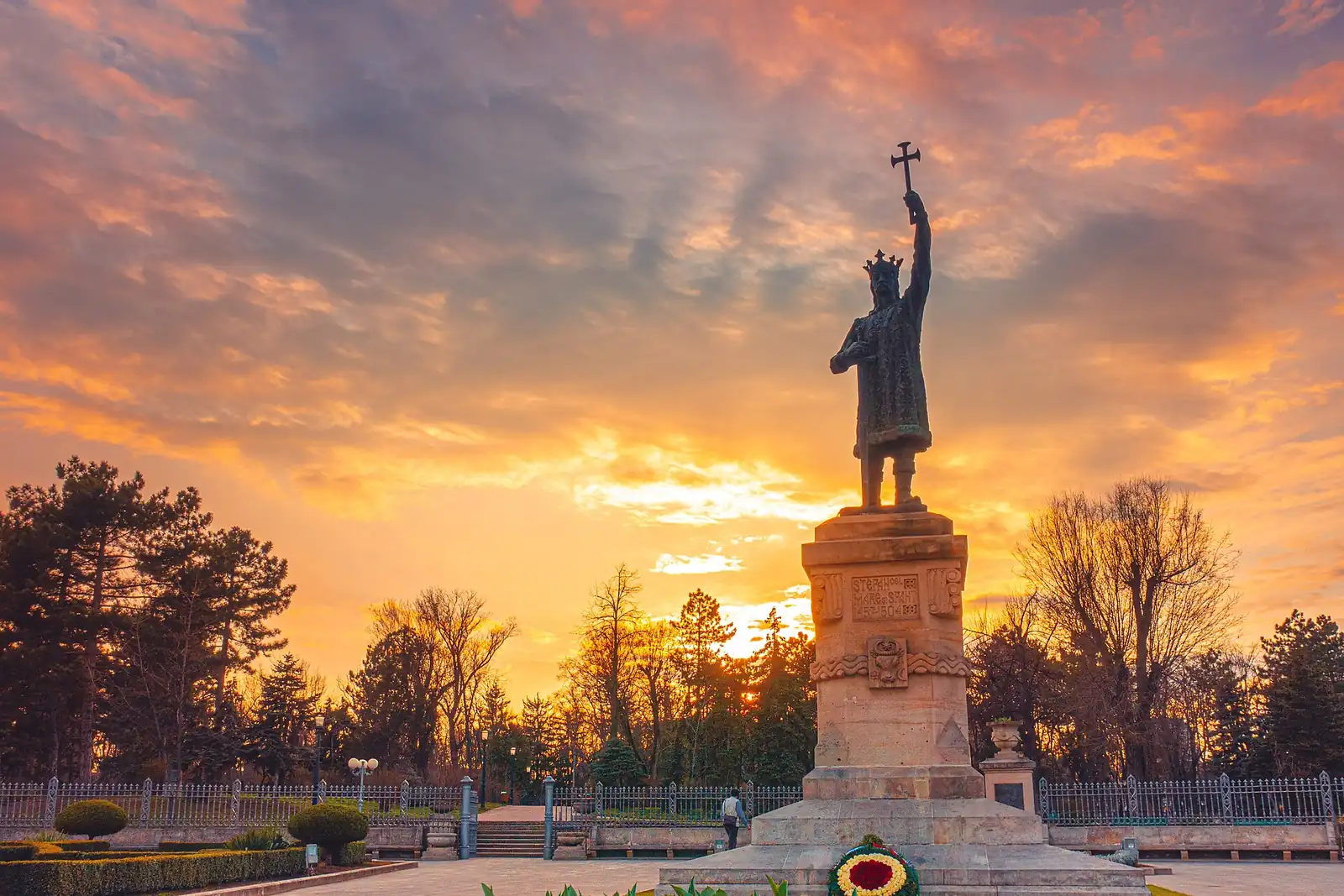
Photo: Pelin Oleg, CC BY-SA 4.0, via Wikimedia Commons
Photo: Photobank MD from Chisinau, Moldova, CC0, via Wikimedia Commons
Photo: Photobank MD from Chisinau, Moldova, CC0, via Wikimedia Commons
Read the transcript EN
A statue on the move
At the entrance to the largest park in Chișinău stands a bronze prince. The statue was unveiled in nineteen twenty-eight. Twelve years later, it was taken away to Vaslui, in Romania. It came back in nineteen forty-two and left again in nineteen forty-four. Only in nineteen eighty-nine did it return to its original spot. Few statues have moved so often. The man it portrays is Ștefan cel Mare, Stephen the Great.
A different Moldavia
Ștefan was born in Borzești, sometime between fourteen thirty-three and fourteen forty. On the fourteenth of April fourteen fifty-seven he took the throne, and he ruled the Principality of Moldavia until fifteen oh four. That country was larger than today's Republic of Moldova. It stretched from the Carpathians to the Dniester and the Black Sea. It included the east of present-day Romania, with the capital Suceava, the land between the Prut and the Dniester, which is now the Republic of Moldova, and parts of present-day Ukraine. His reign lasted forty-seven years, in a land where princes often followed one another in quick succession.
Vaslui, January fourteen seventy-five
Moldavia lay between three powers: the Ottoman Empire, Hungary and Poland. On the tenth of January fourteen seventy-five, Ștefan defeated an Ottoman army at Vaslui. Pope Sixtus the Fourth then called him a true defender of the Christian faith. A year later, at Războieni, he lost to Sultan Mehmed the Second, but the Ottomans withdrew. In fourteen eighty-four, however, the harbour fortresses of Chilia and Cetatea Albă did fall into their hands.
Stones and fortresses
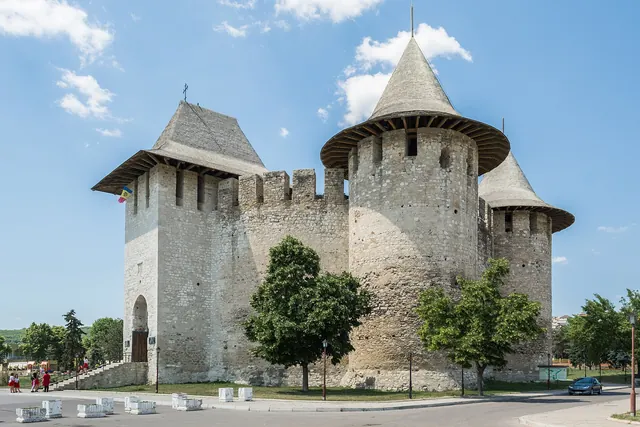
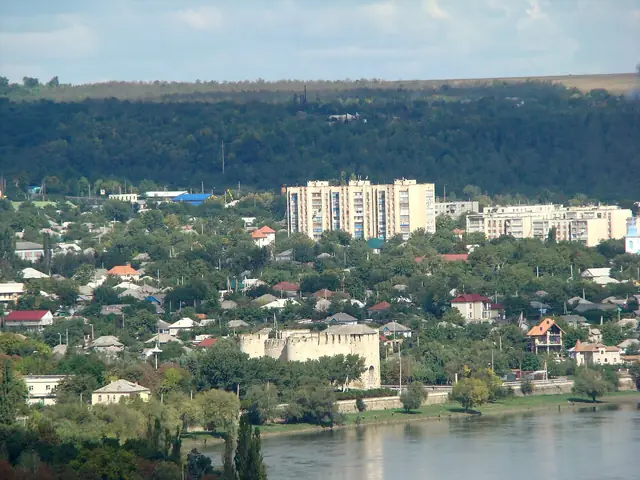
Ștefan had dozens of stone churches and monasteries built. The best known is Putna Monastery, consecrated in fourteen seventy. He also left his mark on the territory of present-day Moldova. In fourteen ninety-nine, he had a wooden fort built at Soroca, by a ford across the Dniester. Half a century later, the fort was rebuilt in stone. The round fortress with its five bastions still stands today.
A holy prince
Ștefan died in Suceava on the second of July fifteen oh four. He was buried at Putna, the monastery he had built himself. In nineteen ninety-two, the Romanian Orthodox Church declared him a saint. That is why streets and schools often carry his full name, Ștefan cel Mare și Sfânt, Stephen the Great and Holy.
A name in the city
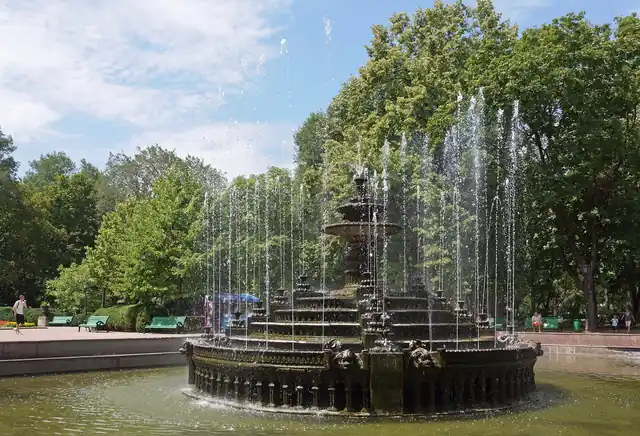
In Chișinău, the main boulevard bears his name, as does the park behind the statue. Between nineteen eighty-nine and nineteen ninety-one, the national movement gathered here, and there were fierce clashes with its opponents too. The bronze statue by Alexandru Plămădeală has thus become more than a reminder of the Middle Ages. Five centuries after his death, Ștefan stands once again on the spot where he was placed in nineteen twenty-eight, at the edge of the boulevard that bears his name.
Photos: Tomasz Bladyniec (CC BY 4.0), Myrabella (CC BY-SA 3.0), Photobank MD from Chisinau, Moldova (CC0), Diego Delso (CC BY-SA 4.0), 07 (CC BY-SA 4.0), Pelin Oleg (CC BY-SA 4.0), Pudelek (CC BY-SA 4.0), Wikimedia Commons (CC BY-SA 3.0), Original uploader was Petar Milošević at sr.wikipedia (CC BY 3.0), Cristian Bortes from Cluj-Napoca, Romania (CC BY 2.0), Julian Nyča (CC BY-SA 4.0), ElenaCozma, uploaded by Utilizator:ElenaCozma at ro.wikipedia (CC BY-SA 3.0), Q-lieb-in (CC BY-SA 4.0), Gentile Bellini (Public domain), Posterrr (CC BY-SA 4.0), Sinziana (CC BY-SA 3.0), Photobank MD from Chisinau, Moldova (CC0), akk_rus (CC BY 2.0), Cristian Bortes from Cluj-Napoca, Romania (CC BY 2.0), Alexander Klink (CC BY 4.0), Alexander Klink (CC BY 4.0), Kiss Tamás (CC BY-SA 3.0), Curcan ionel (CC BY-SA 4.0), Cosmin Cornea from Timisoara, Romania (CC BY 2.0), Myrabella (CC BY-SA 3.0), Rob from United Kingdom (CC BY 2.0), MOs810 (CC BY 4.0), Klearchos Kapoutsis from Santorini, Greece (CC BY 2.0), Harold (CC BY-SA 4.0), Mirek237 (Public domain). Voice: synthetic voice (AI).
Ștefan cel Mare (Stephen the Great) was Prince of Moldavia for 47 years and is regarded in the Republic of Moldova as the most important figure in its national history. He held his ground between the Ottoman Empire, Hungary and Poland, and had dozens of stone churches and monasteries built. In Chișinău the main boulevard bears his name and his bronze statue stands at the entrance to the central park.
Link with MoldovaȘtefan cel Mare ruled from 1457 to 1504 over the historical Principality of Moldavia, which, with Suceava as its capital, covered present-day Moldova (the land between the Prut and the Nistru) as well as the east of present-day Romania and parts of Ukraine.
Ștefan was born in Borzești between 1433 and 1440 and took the throne on 14 April 1457. His long reign was exceptional in a land where rulers often followed one another within a few years. His best-known victory is the Battle of Vaslui on 10 January 1475, against an Ottoman army. Pope Sixtus IV then called him a true defender of the Christian faith. On 26 July 1476 he lost to Sultan Mehmed II at Războieni, but the Ottomans withdrew. In 1484, however, the port fortresses of Chilia and Cetatea Albă (both now in Ukraine) did fall into Ottoman hands.
Ștefan died in Suceava on 2 July 1504 and is buried at Putna Monastery, which he had built himself and which was consecrated in 1470. The Romanian Orthodox Church canonised him in 1992, hence the addition și Sfânt (and saint) in many official names.
The link with Moldova
The medieval Principality of Moldavia is not the same as today's Republic of Moldova. It stretched from the Carpathians to the Nistru and the Black Sea: the east of present-day Romania with Suceava and Iași, the land between the Prut and the Nistru that now forms the Republic of Moldova, and parts of present-day Ukraine. On what is now Moldovan soil, in 1499 he had a wooden fort built at a ford across the Nistru near Soroca, the forerunner of the stone Soroca Fortress.
Where you will find him
The bronze statue by the sculptor Alexandru Plămădeală was unveiled on 29 April 1928 at the entrance to the park that now bears his name. It was moved to Vaslui in 1940, came back in 1942, went to Romania again in 1944 and has stood in its original spot once more since 1989. Between 1989 and 1991 the statue was the backdrop to rallies of the national movement.
Key facts
- Prince of Moldavia from 1457 to 1504
- Victory at Vaslui on 10 January 1475
- Putna Monastery consecrated in 1470
- Wooden fort near Soroca in 1499
- Canonised by the Romanian Orthodox Church in 1992