Maria Bieșu
Soprano from Volintiri, famed worldwide as Cio-Cio-San, who gave her name to the opera
1935-2012
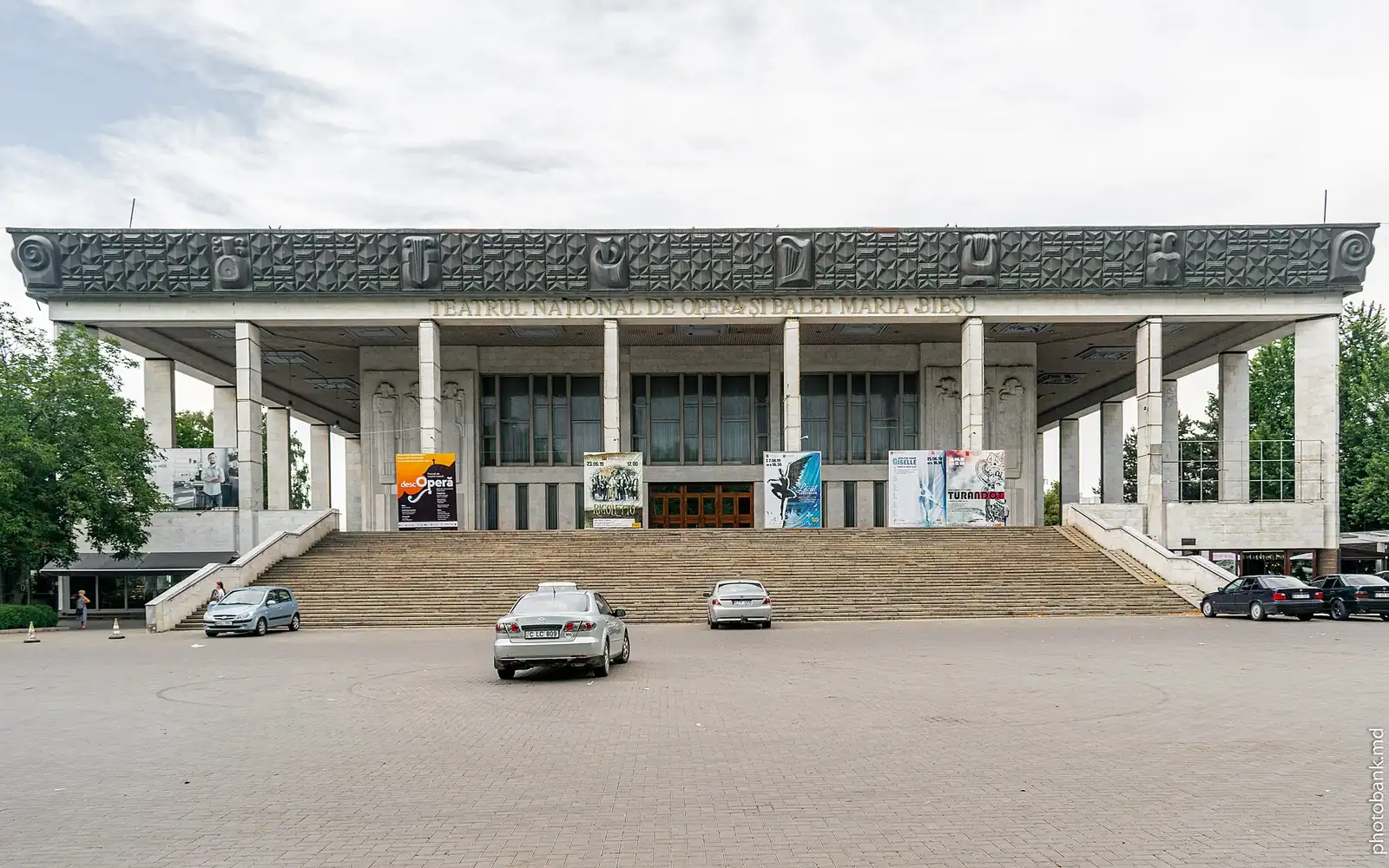
Photo: Photobank MD from Chisinau, Moldova, CC0, via Wikimedia Commons
Read the transcript EN
Tokyo, nineteen sixty-seven
Tokyo, nineteen sixty-seven. At an international singing competition, a soprano from Moldova is named the best Cio-Cio-San in the world. Cio-Cio-San is the Japanese heroine of Puccini's Madama Butterfly. The singer's name is Maria Bieșu. She comes from a village in the south-east of Moldova. She sings in Milan and in Moscow, but throughout her career she will stay loyal to one opera house, in Chișinău.
A village in the south
Maria Bieșu was born on the third of August nineteen thirty-five in Volintiri, in what is now the Ștefan Vodă district. After the village school, she went to an agricultural school in Leova. Today the district is best known for its vineyards. Nothing pointed to a career on the great stages. Her voice was noticed when she sang as a soloist with Fluieraș, a folk music orchestra. That was in nineteen fifty-eight, and she performed alongside well-known folk singers such as Tamara Ciobanu.
An unexpected debut
She studied singing at the Chișinău conservatoire and graduated in nineteen sixty-one. On the twenty-eighth of April nineteen sixty-two, she first stepped onto the stage of the Chișinău opera, standing in as Tosca. It was the start of a lifelong bond with the same house. Two years later, she received her first honorary title in the Moldavian republic.
Milan, Moscow, Tokyo
From nineteen sixty-five to nineteen sixty-seven, she trained further in Milan, at La Scala. In nineteen sixty-six she won a prize at the Tchaikovsky Competition in Moscow, and a year later came the title in Tokyo. She sang Aida, Desdemona, Tosca, Leonora in Il trovatore, Turandot and Tatiana in Eugene Onegin. In nineteen eighty-six, she recorded the role of Norma for the Melodiya label. In nineteen seventy, she became People's Artist of the Soviet Union, the highest title for a performer in the country.
Loyal to Chișinău
She received invitations from abroad but stayed with the Chișinău opera. In nineteen ninety, she founded an international opera and ballet festival, which brings singers and dancers to the capital every year. In nineteen eighty-seven, she became an honorary citizen of Chișinău, and in nineteen ninety-two, independent Moldova awarded her the Order of the Republic. A plaque hangs on the house where she lived, on Alexei Mateevici Street.
A house with her name
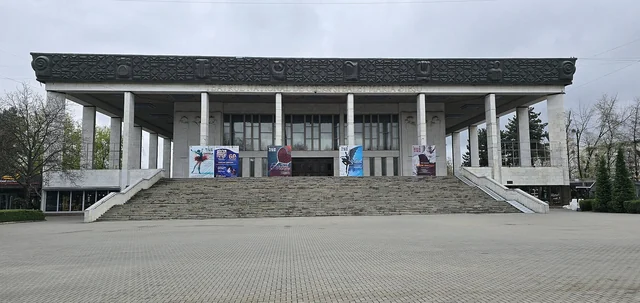
Maria Bieșu died in Chișinău on the sixteenth of May twenty twelve. The president declared a day of mourning. Two days after her death, the government decided to name the national opera and ballet theatre after her. Since then, the building on Bulevardul Ștefan cel Mare has been called Teatrul Național de Operă și Balet Maria Bieșu, and the festival she founded also bears her name. She is buried in the city's Central Cemetery. The stage where she began as a stand-in in nineteen sixty-two now carries her name.
Photos: Diego Delso (CC BY-SA 4.0), Internet Archive Book Images (No restrictions), Rhododendrites (CC BY-SA 4.0), This Photo was taken by Wolfgang Moroder (CC BY-SA 3.0), Gikü (CC0), Gikü (CC0), FrenchLaLa (CC BY-SA 4.0), Kamen Tabakov from Stara Zagora, Bulgaria (CC BY-SA 2.0), Perituss (CC0), NorbertNagel (CC BY-SA 4.0), EgorovaSvetlana (CC BY-SA 4.0), Companions Opera (CC BY-SA 4.0), Photobank MD from Chisinau, Moldova (CC0), Wiki.Anonim.091 (CC BY-SA 4.0), MOs810 (CC BY 4.0), Mirek237 (Public domain), Wiki.Anonim.091 (CC BY-SA 4.0), Wiki.Anonim.091 (CC BY-SA 4.0), Harold (CC BY-SA 4.0). Voice: synthetic voice (AI).
Maria Bieșu was a soprano who was named the best interpreter of Cio-Cio-San in Madama Butterfly in Tokyo in 1967. She stayed loyal to the Chișinău opera throughout her career and is regarded in Moldova as the country's greatest opera singer. Shortly after her death in 2012, the National Opera and Ballet Theatre was named after her.
Link with MoldovaMaria Bieșu was born in Volintiri in south-eastern Moldova and for decades was the prima donna of the Chișinău opera, which has borne her name since 2012.
Bieșu was born on 3 August 1935 in Volintiri, a village in what is now Ștefan Vodă district. After the village school she went to an agricultural college in Leova. Her voice was noticed when she sang as a soloist with the Fluieraș folk orchestra. She studied singing at the Chișinău Conservatory and graduated in 1961.
On 28 April 1962 she made her debut on the stage of the Chișinău opera as Tosca. From 1965 to 1967 she perfected her art in Milan, at La Scala. In 1966 she won a prize at the International Tchaikovsky Competition in Moscow, and in 1967 the Miura Tamaki Competition in Tokyo named her the best Cio-Cio-San in the world. Her repertoire included Aida, Tosca, Leonora in Il trovatore, Turandot and Tatyana in Eugene Onegin. In 1970 she became a People's Artist of the USSR.
The link with Moldova
Despite invitations from abroad, she remained with the Chișinău opera. In 1990 she founded an international opera and ballet festival, which was given her name after her death.
Where you will find her
Bieșu died in Chișinău on 16 May 2012. Two days later the government decided to name the opera house on Bulevardul Ștefan cel Mare after her: the Teatrul Național de Operă și Balet Maria Bieșu. She is buried in the Central Cemetery (the Armenian Cemetery), and a memorial plaque hangs on her former home at Strada Alexei Mateevici 62.
Key facts
- Born in Volintiri on 3 August 1935
- Debut as Tosca in Chișinău on 28 April 1962
- Best Cio-Cio-San at the Tokyo competition in 1967
- People's Artist of the USSR in 1970
- Chișinău opera named after her in May 2012