Fetească Albă și Fetească Regală
White maiden and royal maiden (white grapes)
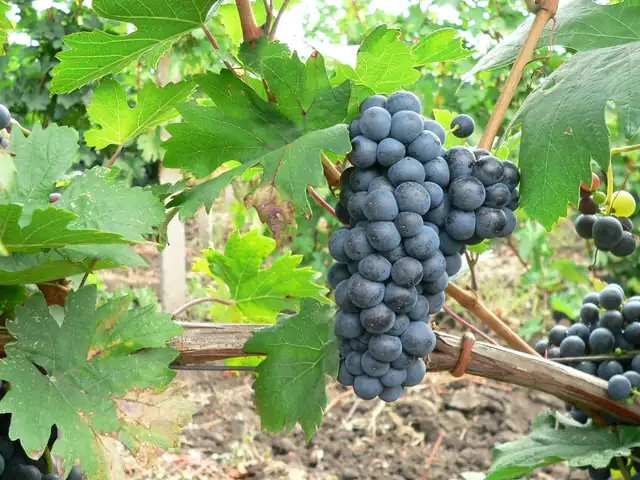
Mother and daughter among the white grapes: aromatic Albă and fresh, lively Regală
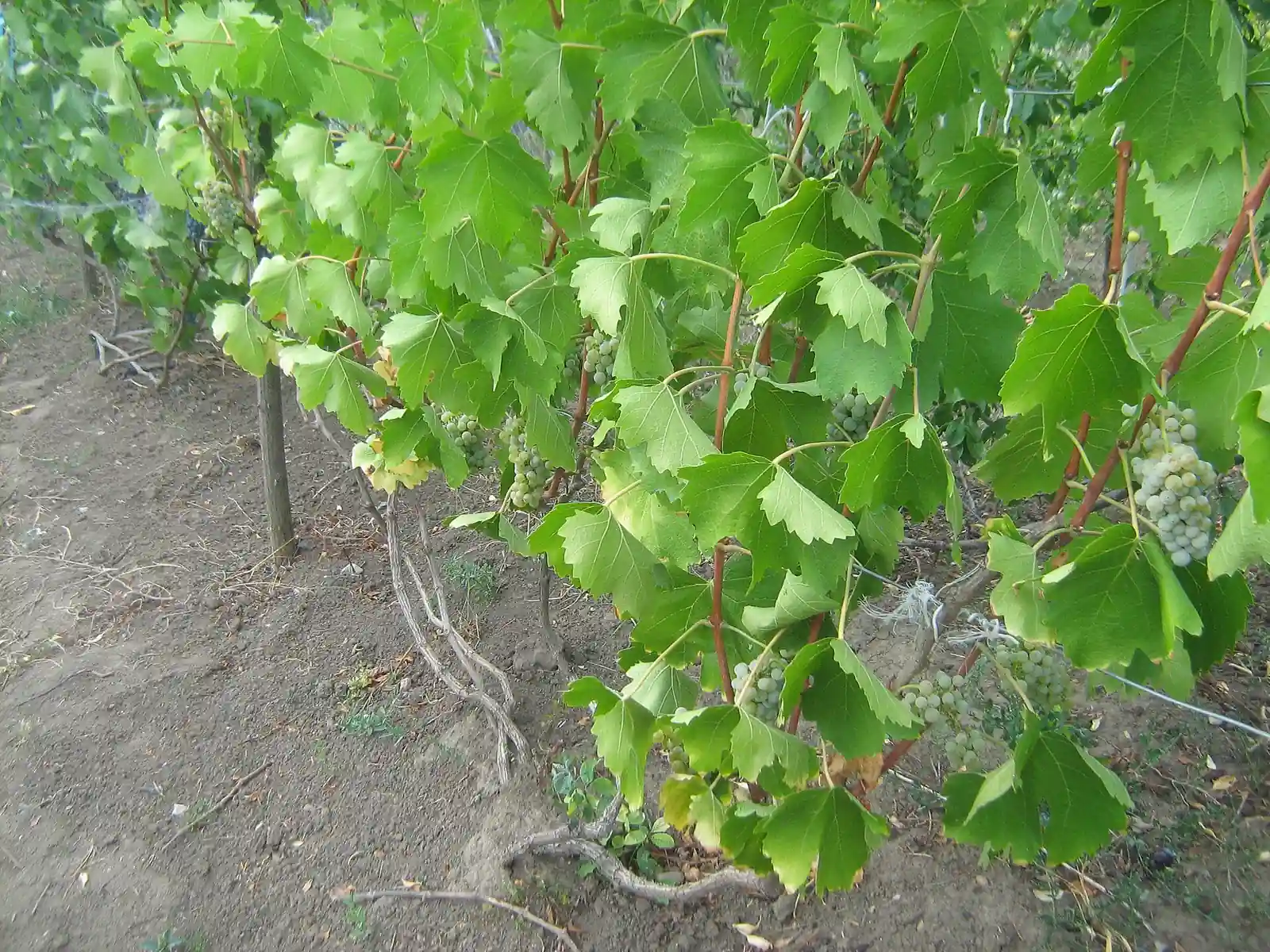
Photo: Ленга Вадим, CC BY-SA 4.0, via Wikimedia Commons
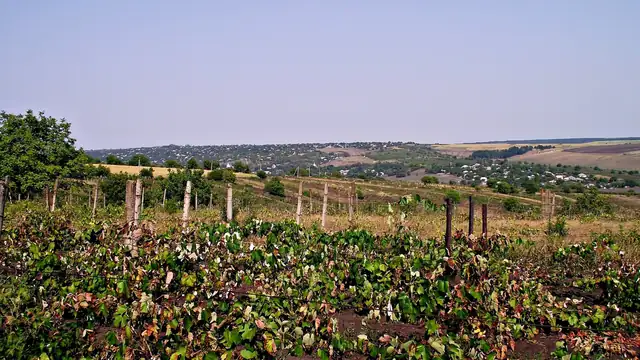
Photo: SenatorulX, CC BY-SA 4.0, via Wikimedia Commons
Fetească Albă and Fetească Regală are the two most important native white grapes of Moldova and Romania. Fetească Albă is the old variety; Fetească Regală appeared around 1920 in Transylvania as a natural cross between Fetească Albă and Grasă. Both make fresh white wines and base wine for sparkling wine.
Origins and history
Fetească Albă, the 'white maiden', is an old variety that grows mainly in Moldavia and Transylvania and is known in Hungary as Leányka. According to Wikipedia, with about 900 hectares it is the most widely planted native variety in the Republic of Moldova.
Fetească Regală is younger. It was noticed around 1920 in Daneș, in the Romanian county of Mureș, and turned out to be a natural cross between Grasă and Fetească Albă. Today it is grown mainly in Romania, but also in the Republic of Moldova, Hungary, Slovakia and Austria. The German name Königliche Mädchentraube translates the 'royal' literally.
How it is made
Most Moldovan white wines from these varieties are made fresh and young, fermented in stainless steel; a few producers age part of the wine in oak. Fetească Albă is widely used as a base for sparkling wine and is also bottled as a single varietal. Fetească Regală gives dry, fresh wines with clear acidity that work well both still and sparkling. Both varieties also turn up in blends with international white grapes such as Chardonnay.
Where and how to try it
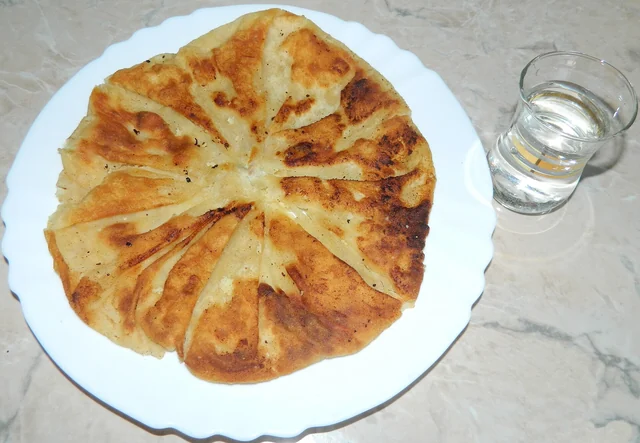
You will find both varieties at most wineries, large and small. Fautor grows Fetească Regală in the south, on the slopes near Tigheci, and Asconi, alongside its French varieties, is putting growing emphasis on Fetească Albă. A tasting with an Albă and a Regală side by side makes the difference between mother and daughter clear. At the table they go well with plăcinte with cheese, fresh brânză, fish from the Dniester or a light summer starter.